Delhi Police Crime Branch probes 'premeditated' angle in CJP July protest violence
Synopsis
Delhi Police's Crime Branch has registered a fresh case to probe whether the violence at the CJP's July protest near Jantar Mantar was premeditated and if criminal elements were deliberately planted in the crowd. The move comes even as the Supreme Court had quashed 17 FIRs against student protesters — making the Crime Branch's focused probe on the violence itself a legally and politically delicate exercise.
Key Takeaways
Delhi Police Crime Branch has registered a case and begun probing the violence during the CJP protest on 20 July in New Delhi.
The probe will examine whether the violence was 'premeditated' or whether 'criminal elements' infiltrated the protest march toward Parliament.
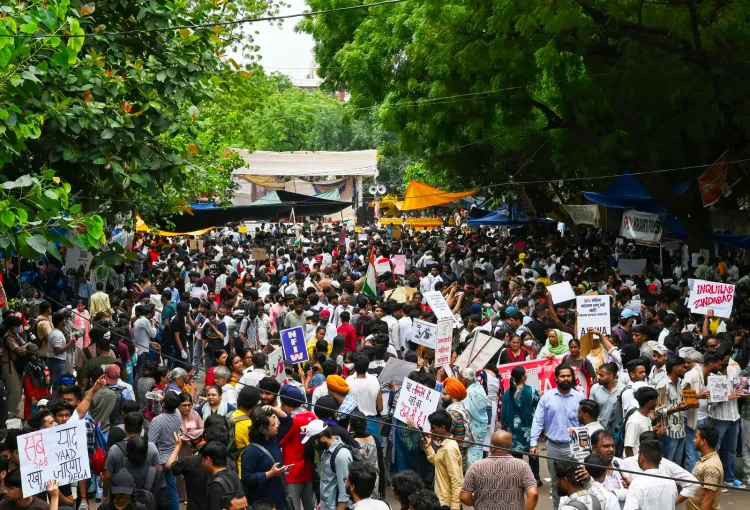
An estimated 30,000 protesters had gathered at Jantar Mantar demanding action on paper leaks and exam irregularities.
The Supreme Court had earlier quashed FIRs against student protesters in Delhi, Bihar, Maharashtra, West Bengal , and Assam , covering events between 20–25 July .
Delhi Police had already cancelled 17 FIRs on the Supreme Court's directions before the Crime Branch probe was launched.
An internal review post-July found the police's intelligence system lacked accurate inputs on crowd size and mobilisation; the Special Branch has since been tasked with more detailed intelligence gathering.
The Delhi Police Crime Branch has launched a formal investigation into the violence that erupted during a Cockroach Janata Party (CJP) protest in New Delhi on 20 July, registering a case under relevant sections of law, according to sources on Thursday, 8 October. The probe marks a fresh push by authorities to determine whether the unrest was orchestrated or opportunistic.
Key Focus of the Investigation
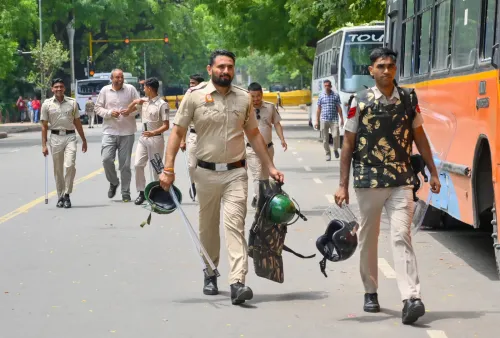
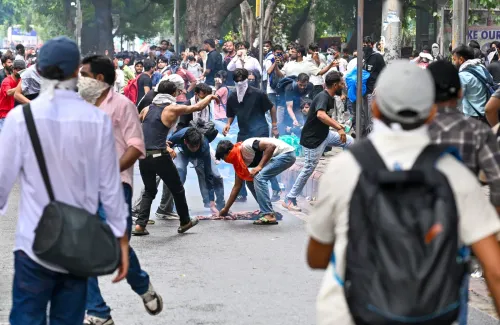
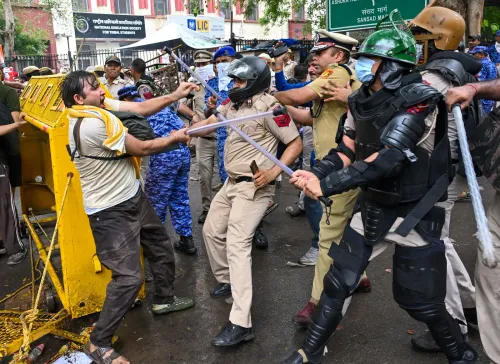
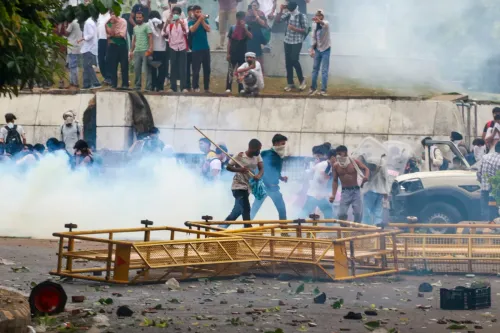
Crime Branch sources confirmed that the probe will zero in on whether the violence was 'premeditated' or whether 'criminal elements' infiltrated the protest sites when the CJP called for a march toward Parliament. The investigation will specifically examine incidents of assault on police personnel, vandalism, and destruction of public property — including damage to police vehicles.
What Happened on 20 July
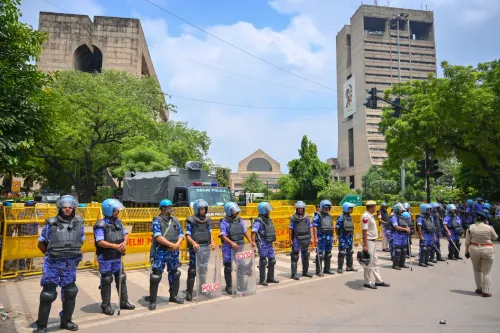
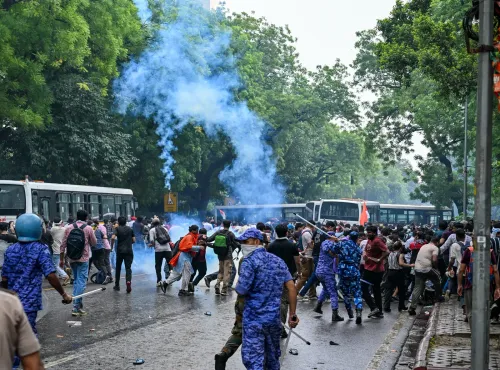
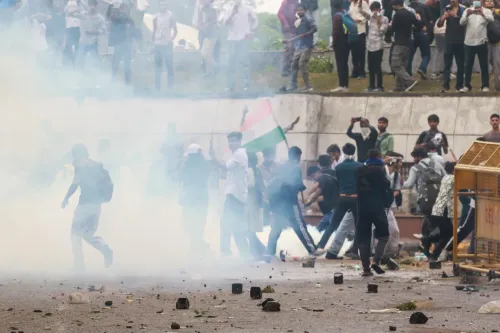
On 20 July, an estimated 30,000 protesters gathered in and around Jantar Mantar in New Delhi, demanding government action against alleged paper leaks and examination-related irregularities. As crowds attempted to march toward Parliament, the situation deteriorated and clashes broke out between protesters and police. The use of force by police drew widespread criticism at the time.
Supreme Court's Earlier Intervention
The Crime Branch probe comes even as the Supreme Court had previously quashed FIRs registered against student protesters in Delhi, Bihar, Maharashtra, West Bengal, and Assam in connection with protests held between 20 and 25 July. The court also directed that similar cases registered across the country will not be pursued or investigated. Following the court's directions, Delhi Police had already cancelled 17 FIRs related to the violence — meaning the Crime Branch's fresh probe is narrowly focused on the violence itself, not the student protesters covered by the court order.
Intelligence Gaps Exposed
The July incidents also triggered an internal review of Delhi Police's intelligence apparatus. Officials acknowledged a failure to gather adequate and accurate prior inputs regarding the scale of mobilisation, the number of protesters, and the role of various organisations involved. Consequently, the Delhi Police Special Branch was directed to develop more granular and actionable intelligence — moving beyond simply tracking protest locations and estimating crowd sizes.
What Comes Next
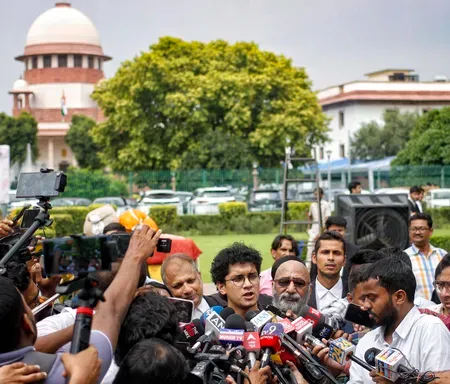
The Crime Branch investigation is expected to focus on individuals beyond the scope of the quashed FIRs. Notably, this probe unfolds against a backdrop of judicial scrutiny over how law enforcement handled the original protests. How the Crime Branch balances its mandate against the Supreme Court's broader directions on the July unrest will be closely watched in the coming weeks.
Point of View
Delhi Police is attempting to keep an investigation alive in a politically and judicially constrained space. The distinction matters — but it is also a thin one that courts may scrutinise. More telling is the admission that the police's intelligence system failed on 20 July; that is not just an operational lapse but a governance failure that invited the chaos the Crime Branch now wants to retrospectively untangle. Whether this probe produces convictions or quietly fades will signal how seriously the force takes accountability on both sides of the clashes.
NationPress
8 Oct 2026
Frequently Asked Questions
What is the Delhi Police Crime Branch investigating?
The Crime Branch is investigating the violence that broke out during the Cockroach Janata Party (CJP) protest in New Delhi on 20 July, specifically to determine whether it was premeditated and whether criminal elements had deliberately infiltrated the protest march toward Parliament. A case has been registered under relevant sections of law.
Why did the Supreme Court quash the earlier FIRs?
The Supreme Court quashed FIRs registered against student protesters in Delhi, Bihar, Maharashtra, West Bengal, and Assam for protests between 20 and 25 July, and directed that similar cases nationwide not be pursued. Delhi Police had cancelled 17 such FIRs following the court's directions. The Crime Branch's current probe is separately focused on the violence, not the student protesters covered by that order.
What triggered the 20 July protest in the first place?
Around 30,000 people gathered at Jantar Mantar on 20 July demanding government action against alleged paper leaks and irregularities in competitive examinations. The protest turned violent when crowds attempted to march toward Parliament and clashes broke out between protesters and police.
What intelligence failures were identified after the July protests?
An internal review found that Delhi Police lacked adequate and accurate prior inputs on the scale of mobilisation, number of protesters, and the roles of various organisations involved. The Special Branch was subsequently directed to gather more detailed and actionable intelligence, rather than merely tracking protest locations and crowd estimates.
How does the Crime Branch probe differ from the cases the Supreme Court quashed?
The Supreme Court's quashing order covered FIRs against student protesters involved in the broader demonstrations between 20 and 25 July. The Crime Branch probe is specifically focused on the violence — assaults on police personnel, vandalism, and destruction of public property — and on whether criminal elements were behind it, placing it outside the direct scope of the court's order, though judicial scrutiny remains possible.