Delhi-NCR temperatures drop after overnight rain; AQI improves to 181
Synopsis
A late-night burst of rain, thunder, and strong winds gave Delhi-NCR its coolest morning in days — and nudged the capital's AQI from a worrying 230 on Friday down to 181 on Sunday. With IMD forecasting clear skies but strengthening afternoon winds, the city is watching whether nature can do what policy often struggles to: give Delhi a clean-air window before winter sets in.
Key Takeaways
Late-night rainfall, thunderstorms, and strong winds swept Delhi-NCR on Saturday night, 25 October 2025 .
Delhi's AQI improved to 181 (moderate) by 5 am Sunday , down from 191 on Saturday and 230 on Friday.
The Safdarjung station recorded 18°C with 98% humidity and calm winds early Sunday morning.
IMD forecasts a maximum of 31–33°C and minimum of 16–18°C for the day, with mainly clear skies.
Several Delhi monitoring stations still reported readings in the poor AQI category despite the overall improvement.
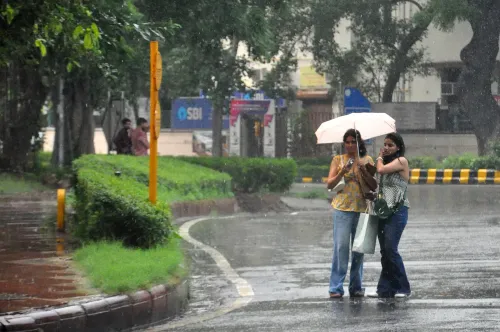
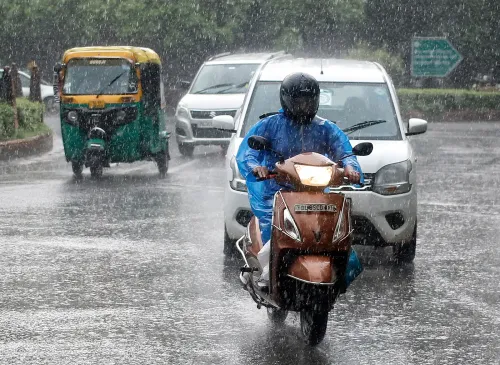
Delhi-NCR woke to cooler conditions on Sunday, 26 October 2025, after a spell of late-night rainfall accompanied by thunderstorms and strong winds swept across the region, offering residents a break from the relatively warm weather of the preceding days. The overnight rain brought Delhi's air quality index (AQI) down to 181 — placing it in the moderate category — a measurable improvement from the 230 recorded just two days earlier.
Where Rain Was Reported
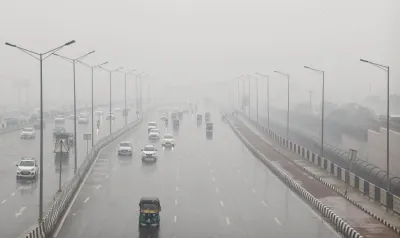
Rainfall was recorded late on Saturday night across Delhi, Noida, Ghaziabad, Gurugram, and Faridabad. The gusty winds that accompanied the showers added to the cooling effect, with misty conditions prevailing across the national capital in the early morning hours.
Temperature and Weather Conditions
The Safdarjung weather station — Delhi's primary reference point — recorded a temperature of 18 degrees Celsius at around 5:30 am IST on Sunday. Humidity at the time stood at 98 per cent, and wind speed was recorded at 0 kmph, indicating calm but moisture-laden air after the overnight showers.
The India Meteorological Department (IMD) forecast that the day's maximum temperature is likely to hover between 31°C and 33°C, while the minimum is expected to range between 16°C and 18°C. Mainly clear skies are anticipated through the day, with surface winds likely picking up strength by afternoon.
Air Quality: A Gradual Improvement
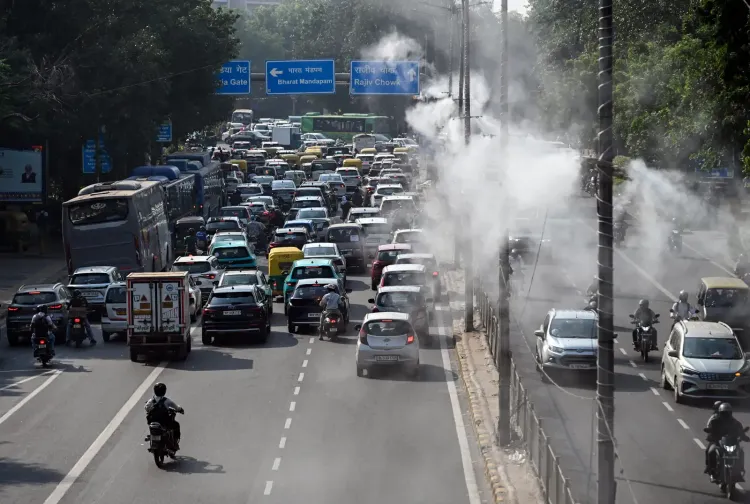
Delhi's AQI stood at 181 at around 5 am on Sunday, compared with 191 on Saturday morning and 230 on Friday. While the trend points to improvement, several monitoring stations across the capital continued to log readings in the poor category, according to data on the shared government dashboard. Pollution levels in Delhi-NCR remain a concern as the winter season approaches — historically the period when air quality deteriorates most sharply due to crop stubble burning, reduced wind speeds, and temperature inversions that trap particulate matter close to the ground.
What to Watch Next
The IMD's forecast of mainly clear skies and strengthening afternoon winds could help disperse pollutants further, but the overall pollution trajectory will depend on farm fire activity in neighbouring states, which typically peaks in late October and November. Citizens in high-AQI pockets of the city are advised to monitor local air quality readings before outdoor activity.
Point of View
But it is weather-driven relief, not a structural fix. Delhi's pollution crisis follows a predictable seasonal arc — every October, a rain spell briefly flatters the numbers before stubble-burning and winter inversions push the city back into the 'severe' zone. The real test of Delhi's air quality governance is what happens in the next four weeks, when farm fires peak and wind patterns turn unfavourable. A single moderate-category morning should not obscure the long-term failure to address the region's pollution at source.
NationPress
25 Oct 2026
Frequently Asked Questions
Why did temperatures drop in Delhi-NCR on Sunday?
Temperatures fell in Delhi-NCR after a spell of late-night rainfall accompanied by thunderstorms and strong winds on Saturday night, 25 October 2025. The overnight showers brought cool air and misty conditions across Delhi, Noida, Ghaziabad, Gurugram, and Faridabad.
What is Delhi's AQI today, 26 October 2025?
Delhi's air quality index stood at 181 at around 5 am on Sunday, placing it in the moderate category. This is an improvement from 191 recorded on Saturday morning and 230 on Friday, though several local monitoring stations still reported poor-category readings.
What temperature was recorded at Safdarjung on Sunday morning?
The Safdarjung weather station recorded 18 degrees Celsius early on Sunday, with humidity at 98 per cent and wind speed at 0 kmph, indicating calm but damp post-rain conditions.
What does IMD forecast for Delhi's weather on Sunday?
The India Meteorological Department has forecast mainly clear skies for Sunday, with the maximum temperature likely between 31°C and 33°C and the minimum between 16°C and 18°C. Surface winds are expected to strengthen during the afternoon.
Will Delhi's air quality continue to improve?
The immediate outlook is cautiously positive, with the rain-driven improvement reflected in Sunday's AQI of 181. However, pollution levels are expected to remain volatile as farm fire activity in neighbouring states typically intensifies in late October and November, which historically pushes Delhi's AQI into the very poor and severe categories.