CM Rekha Gupta Restarts Delhi Ration Card Issuance After 13 Years
Synopsis
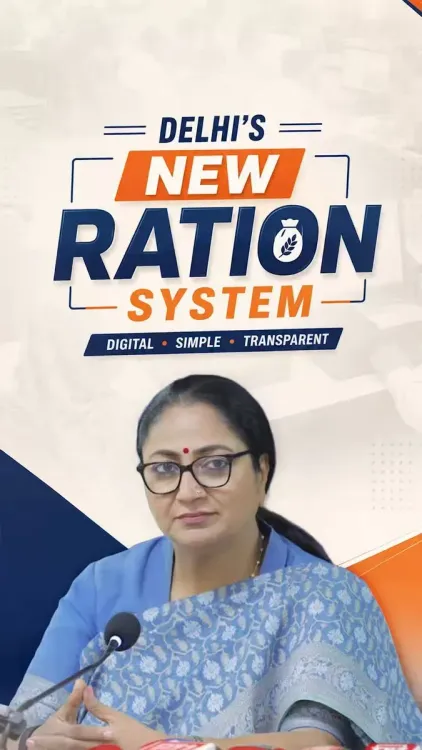
Delhi Chief Minister Rekha Gupta has announced the resumption of new ration card issuance after 13 years, with applications now available online via the e-District Portal. The income eligibility ceiling has been raised from Rs 1 lakh to Rs 1.20 lakh, with a further expansion to Rs 2.5 lakh promised soon.
Key Takeaways
Delhi has resumed issuance of new ration cards after a pause described by CM Rekha Gupta as lasting 13 years .
Applications can now be submitted online via the e-District Portal , requiring Aadhaar, residence certificate, family income certificate, and family member details.
The annual household income eligibility ceiling has been raised from Rs 1 lakh to Rs 1.20 lakh .
The Delhi government has announced a further planned expansion to cover families with annual incomes up to Rs 2.5 lakh , though no specific timeline has been given.
The move falls under the #ViksitDelhi initiative and aligns with the broader national trend of digitising PDS welfare delivery.
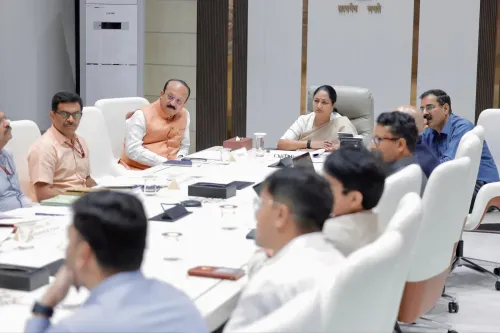
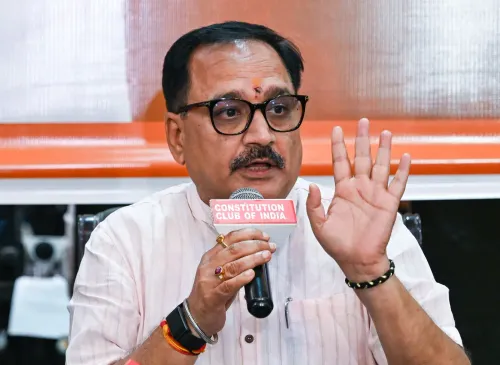
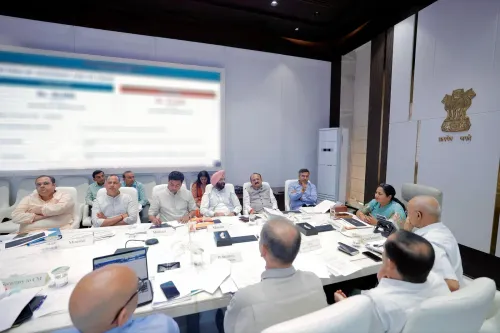
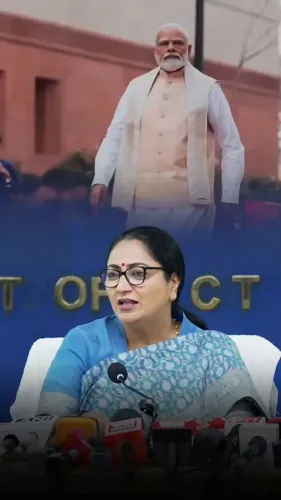
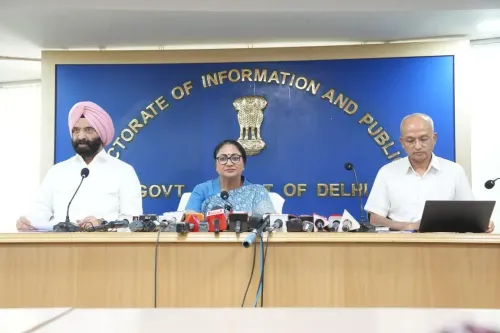
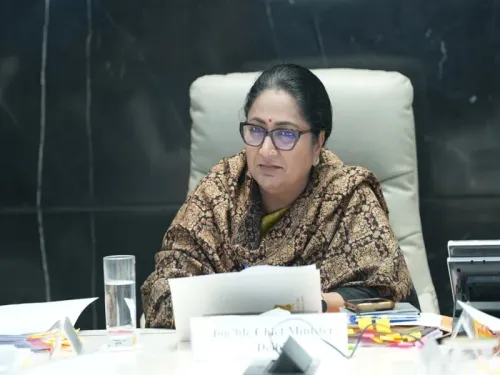
Delhi Chief Minister Rekha Gupta announced on Tuesday, 26 May 2026 that the Delhi government has resumed issuance of new ration cards after a prolonged pause, with applications now available online through the e-District Portal. The announcement, shared on X, marks a significant shift in the city's Public Distribution System (PDS) and signals a broader push to digitise welfare delivery in the National Capital Territory.
Context
In her post, Chief Minister Gupta declared: '13 saal ka intezaar khatam' ('The 13-year wait is over'), stating that new ration cards in Delhi can now be applied for from home via the e-District Portal. The required documents include an Aadhaar card, a residence certificate, a family income certificate, and details of family members. The resumption ends what the Chief Minister described as a prolonged freeze on new card registrations in the capital.
The announcement comes under the hashtag #ViksitDelhi, reflecting the state government's framing of the move as part of a developed-Delhi agenda. The e-District Portal is Delhi's existing citizen-services platform, already used for issuing certificates and other official documents, and its deployment here extends its reach into food-security entitlements.
Policy Backdrop
India's National Food Security Act (NFSA), enacted in 2013, established legal entitlements for subsidised food grains to eligible households across states, including Delhi. Delhi's PDS network has long been a politically sensitive subject, with access to subsidised grain cards tied directly to household income thresholds. The Delhi government has now raised the annual income ceiling for eligibility from Rs 1 lakh to Rs 1.20 lakh.
Gupta's post further states that families with an annual income of up to Rs 2.5 lakh will 'soon' also be brought under the scheme's ambit, representing a substantial widening of the eligibility net. This upward revision mirrors a broader national pattern: several Indian states have periodically revised income ceilings to account for urban migration, inflation, and rising cost-of-living pressures, while continuing to operate within the targeting framework set by the NFSA.
Stakeholders and Impact
The primary beneficiaries are low-income households in Delhi who were previously ineligible due to outdated income thresholds or who were unable to apply during the period when new card issuance was suspended. By moving the application process online, the government aims to reduce dependence on physical offices and middlemen, a persistent concern in urban PDS delivery.
The income-ceiling expansion to Rs 1.20 lakh immediately widens the pool of eligible families, and the proposed extension to the Rs 2.5 lakh income bracket could bring a significantly larger segment of Delhi's working population — including informal-sector workers and migrants — within reach of subsidised food grains. Welfare advocates have long argued that Delhi's earlier thresholds failed to reflect the city's high cost of living.
What's Next
The key policy question now is the timeline and mechanism for rolling out eligibility to households in the Rs 2.5 lakh annual income bracket. The government has indicated this expansion is forthcoming but has not specified a date. Observers will also watch for updates to beneficiary lists, grievance redressal processes, and server capacity on the e-District Portal as application volumes are likely to rise sharply in the near term.
The resumption of ration card issuance in Delhi, combined with digitised applications and a raised income ceiling, positions the Gupta administration's welfare agenda ahead of what remains a politically contested space in the capital. Whether the rollout proceeds smoothly — and how quickly the higher income bracket is included — will be a test of both the portal's infrastructure and the government's delivery capacity.
Point of View
Framed as ending a '13-year wait,' is as much a political statement as a welfare measure — the BJP-led government under Rekha Gupta is staking a visible claim to PDS reform in a city where food-security politics have historically been dominated by rival narratives. Raising the income ceiling and promising a further expansion to Rs 2.5 lakh signals an intent to broaden the BJP's welfare constituency among Delhi's large informal-worker and lower-middle-class population. The shift to online applications via the e-District Portal fits a wider state-level pattern of digitising entitlement delivery to reduce leakage and improve optics. The real test will be whether backend infrastructure and administrative capacity can match the political ambition of the announcement.
NationPress
21 Oct 2026
Frequently Asked Questions
How can I apply for a new ration card in Delhi in 2026?
You can apply online through the Delhi government's e-District Portal from home. Required documents include an Aadhaar card, a residence certificate, a family income certificate, and details of family members.
What is the income limit for a ration card in Delhi now?
The Delhi government has raised the annual household income ceiling for ration card eligibility from Rs 1 lakh to Rs 1.20 lakh. A further expansion to cover families earning up to Rs 2.5 lakh annually has also been announced, though a specific date has not been confirmed.
Why were new ration cards not being issued in Delhi for so long?
Delhi Chief Minister Rekha Gupta stated that new ration card issuance had been paused for 13 years. The exact administrative or policy reasons for the prolonged freeze have not been officially detailed in the announcement.
What documents are needed for a Delhi ration card application?
The required documents are an Aadhaar card, a residence proof certificate, a family income certificate, and a list of family members' details, as specified by the Delhi government.
What is the e-District Portal used for in Delhi?
The e-District Portal is the Delhi government's online citizen-services platform used for applying for various certificates and official documents. It has now been extended to cover new ration card applications under the Public Distribution System.