CM Rekha Gupta Opens Delhi Ration Card Applications After 13 Years
Synopsis
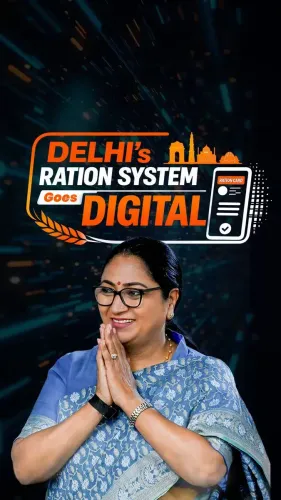
Delhi Chief Minister Rekha Gupta announced on 22 May 2026 that new ration card applications are open after 13 years, with a fully digital, biometric-enabled system set to cover around 8 lakh eligible families under the National Food Security Act.
Key Takeaways
Delhi CM Rekha Gupta announced new ration card applications are open for the first time in 13 years .
The new system is fully digital and biometric-enabled , designed to eliminate fake cards and middlemen.
Approximately 8 lakh beneficiaries are expected to be covered under the drive.
The move aligns Delhi with the national Aadhaar-linked PDS reform framework under the Digital India initiative.
Eligible households gain access to subsidised food grains as legally entitled under the National Food Security Act, 2013 .
Next steps include launch of an online portal and biometric enrolment camps across Delhi .
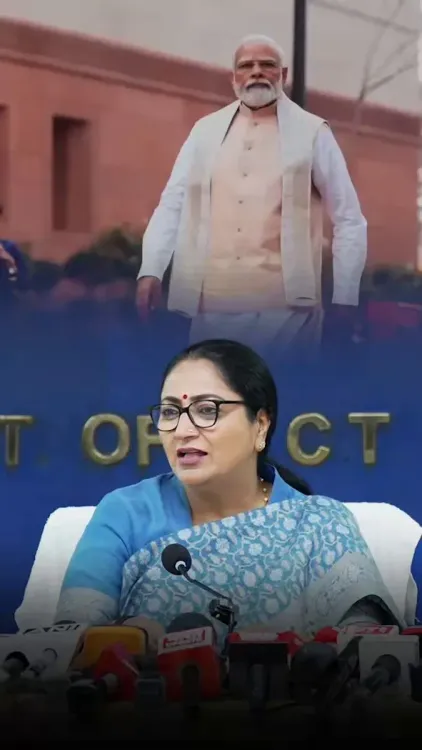
Delhi Chief Minister Rekha Gupta announced on Friday, 22 May 2026, that lakhs of eligible Delhi families can now apply for new ration cards for the first time in 13 years, crediting the move to the leadership of Prime Minister Narendra Modi. The new system is fully digital and biometric-enabled, aimed at eliminating fake cards and middlemen from the Public Distribution System. Around 8 lakh beneficiaries are expected to be covered under the renewed drive.
Context
In her post on X, CM Rekha Gupta described the development as 'relief at last,' noting that deserving Delhi families had waited over a decade to access new ration cards. She highlighted that the revamped process would ensure 'rightful support reaches rightful beneficiaries' with no harassment or fraudulent entries. The Chief Minister thanked Prime Minister Narendra Modi under the hashtag #RightToFood.
The National Food Security Act (NFSA), enacted in 2013, gave eligible households a legal entitlement to subsidised food grains through the Public Distribution System (PDS). Despite the law being over a decade old, Delhi's ration card issuance had remained stalled, leaving a significant number of eligible residents without formal coverage.
Policy Backdrop
India has progressively integrated Aadhaar-based biometric authentication into the PDS since 2014, with the goal of weeding out duplicate and ghost beneficiaries that had long plagued the system. This shift is part of the broader Digital India framework, which seeks to deliver targeted welfare directly to verified beneficiaries without leakages.
Delhi's new ration card drive aligns with this nationwide pattern, deploying a fully digital application process alongside biometric enrolment to ensure only genuine households receive subsidised grain. The move closes a long-standing gap between the NFSA's legal promise and its on-ground delivery in the capital.
Stakeholders and Impact
The primary beneficiaries are low-income Delhi households who were left out of the PDS during the period when new ration card applications were not being processed. For these families, access to subsidised food grains under the NFSA represents a direct reduction in monthly expenditure on essentials.
The biometric-enabled system is also designed to protect legitimate beneficiaries from the harassment historically associated with middlemen and fraudulent card operators. Civil society groups focused on food security and PDS reform have long demanded exactly this kind of technology-backed, transparent enrolment process in Delhi.
What's Next
Attention will now turn to the launch and accessibility of the online application portal, the rollout of biometric enrolment camps across Delhi's constituencies, and whether the administration sets a firm deadline for processing the expected 8 lakh applications. Officials will also need to ensure that digitally excluded or elderly residents can access assisted enrolment to prevent exclusion errors.
The success of this drive will be closely watched as a test case for how effectively Delhi can operationalise the NFSA's promise — and whether the new system can sustain transparency once the initial momentum fades.
Point of View
Reinforcing the party's 'last-mile delivery' narrative ahead of any future electoral cycle. The emphasis on biometric verification and digital applications signals an effort to distinguish this drive from earlier, leakage-prone PDS regimes — a politically useful contrast given Delhi's history of contested welfare politics. For CM Rekha Gupta, the announcement also serves as an early governance credential, demonstrating tangible delivery on a basic entitlement that had long been stalled. Whether the system's anti-exclusion safeguards are robust enough for Delhi's diverse, mobile population will determine whether the reform's promise translates into durable political and social capital.
NationPress
7 Oct 2026
Frequently Asked Questions
Why were new ration cards not issued in Delhi for 13 years?
Delhi CM Rekha Gupta's announcement implies that the issuance of new ration cards in Delhi had been stalled for approximately 13 years; the specific administrative or legal reasons for the freeze have not been detailed in official statements available at this time.
Who is eligible to apply for a new ration card in Delhi in 2026?
Eligible applicants are low-income Delhi households that qualify under the National Food Security Act but do not currently hold a valid ration card; the biometric-enabled system is designed to verify and enrol rightful beneficiaries.
How many people will benefit from the new Delhi ration card drive?
CM Rekha Gupta's post states that around 8 lakh beneficiaries are expected to be covered under the new ration card issuance drive in Delhi.
What is the role of biometric verification in the new Delhi ration card system?
Biometric authentication, linked to Aadhaar, is used to confirm the identity of applicants, eliminate duplicate or fake entries, and ensure that subsidised food grains under the PDS reach only verified, eligible households.
How can Delhi residents apply for a new ration card under this scheme?
The system is described as fully digital; residents are expected to apply through an online portal, with biometric enrolment camps likely to be set up across Delhi — specific portal details are yet to be officially announced.