CM Rekha Gupta Raises EWS Income Limit for Free Ration in Delhi
Synopsis
The Delhi Cabinet, chaired by Chief Minister Rekha Gupta, raised the EWS ration card income ceiling from ₹1.20 lakh to ₹2.5 lakh per annum on 26 May 2026, widening free ration access for low-income urban families and approving a CBDC-based direct transfer mechanism.
Key Takeaways
The Delhi Cabinet on 26 May 2026 raised the EWS ration card income ceiling from ₹1.20 lakh to ₹2.5 lakh per annum.
Families earning up to ₹2.5 lakh annually will now be eligible for free ration from the Delhi government .
A new CBDC (Central Bank Digital Currency) -based system will route ration benefits directly into beneficiaries' bank accounts.
The decision expands on India's food security framework established under the National Food Security Act, 2013 .
The move addresses urban affordability pressures in Delhi , where living costs have long outpaced older income thresholds for welfare eligibility.
Implementation details — including revised eligibility guidelines and income verification — are pending from the food and civil supplies department.
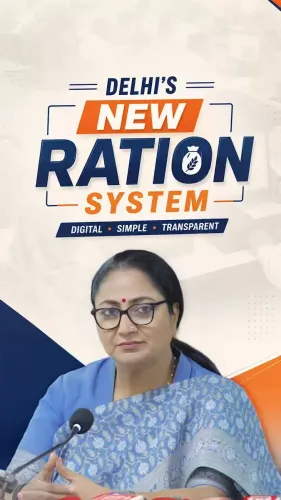
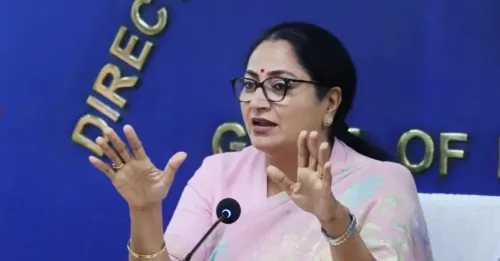
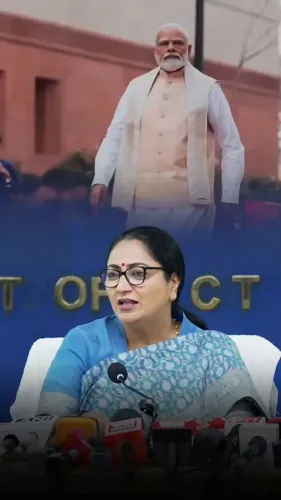
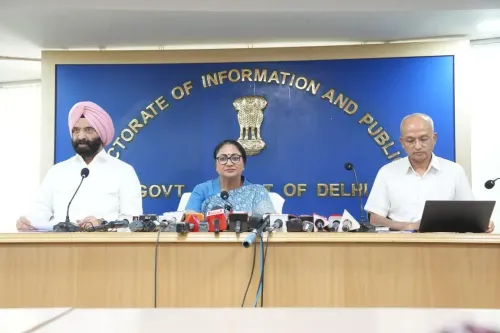
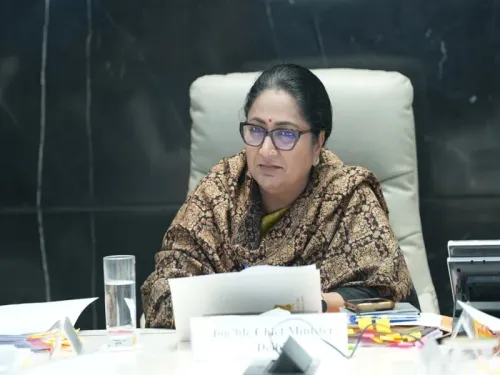
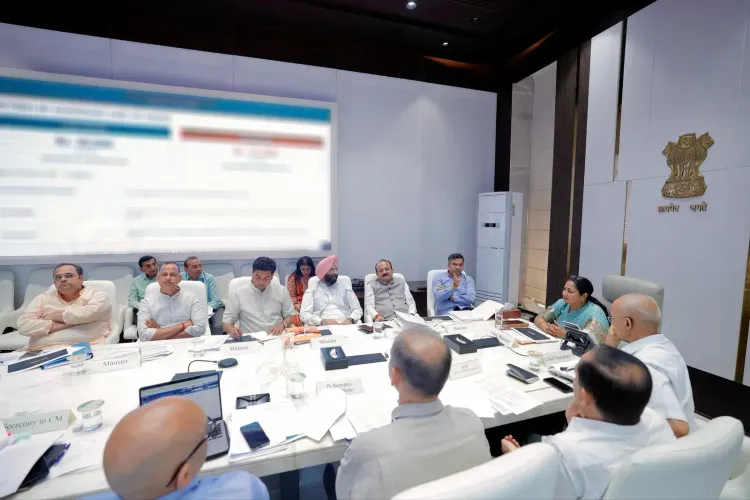
Delhi Chief Minister Rekha Gupta announced on Tuesday, 26 May 2026 that the Delhi Cabinet has approved raising the income ceiling for Economically Weaker Sections (EWS) ration cards from ₹1.20 lakh to ₹2.5 lakh per annum, extending free ration eligibility to a wider band of low-income families in the capital. The Cabinet also approved a new Central Bank Digital Currency (CBDC)-based mechanism to channel ration benefits directly into beneficiaries' accounts.
Context
Posting in Hindi on X, CM Rekha Gupta wrote: 'अब ₹2.5 लाख तक की वार्षिक आय वाले परिवारों को भी दिल्ली सरकार मुफ्त राशन उपलब्ध कराएगी' ('Now families with an annual income of up to ₹2.5 lakh will also receive free ration from the Delhi government'). She added that the EWS income threshold was being raised 'so that as many families as possible benefit from the ration system.' The announcement was made under the hashtag #ViksitDelhi, the Gupta administration's urban-development branding.
The revision more than doubles the previous annual income ceiling of ₹1.20 lakh, a threshold that critics had long argued was too low to capture the full extent of urban poverty in a high cost-of-living city like Delhi. Families whose incomes had crept above the old limit but remained economically precarious stood to lose access to subsidised food — a gap the Cabinet decision aims to close.
Policy Backdrop
India's food-security architecture is anchored in the National Food Security Act, 2013, which mandates subsidised grain for priority households. The Delhi government has periodically revised ration-card eligibility since 2015 to account for urban inflation and the expanding informal workforce in the capital. Nationally, the PM Garib Kalyan Anna Yojana — extended through successive years following the pandemic — provided free grain to National Food Security Act beneficiaries, setting a precedent for state-level expansions.
The second plank of Tuesday's Cabinet decision — routing benefits through a CBDC-based system — aligns with a broader push by both central and state administrations to digitise the Public Distribution System (PDS). The Reserve Bank of India has been piloting the digital rupee since 2022, and its integration into direct benefit transfers represents a significant step toward reducing leakages in welfare delivery.
Stakeholders and Impact
The immediate beneficiaries are Delhi's low-income urban families — salaried workers, daily-wage earners, and small-scale vendors — whose household incomes fall between ₹1.20 lakh and ₹2.5 lakh annually. This cohort has historically been squeezed out of welfare nets despite living in one of India's most expensive cities. Existing EWS ration card holders will continue to receive benefits without disruption.
The CBDC integration is significant for fair-price shop operators and the broader supply chain: direct digital transfers reduce dependence on physical grain allocation at local shops and can curb diversion. Consumer groups and welfare economists have advocated for such digitisation as a way to make entitlements portable and transparent.
What's Next
The Cabinet decision now moves to implementation: Delhi's food and civil supplies department will need to issue revised eligibility guidelines, process fresh applications for ration cards under the new ₹2.5 lakh ceiling, and onboard fair-price shops onto the CBDC payment rails. The rollout timeline and the mechanism for income verification — a perennial challenge in urban welfare administration — will be closely watched by both beneficiaries and policy observers.
If the CBDC-linked delivery model proves effective in Delhi, it could serve as a template for other state governments looking to modernise their public distribution systems while simultaneously widening coverage — a dual objective that sits at the centre of India's evolving welfare debate.
Point of View
The administration is signalling a modernisation agenda that distinguishes it from earlier PDS models. The announcement fits a nationwide pattern of state governments recalibrating welfare thresholds upward in response to urban inflation, but the CBDC integration is a notably forward-looking step that could draw scrutiny over implementation readiness. Whether the expanded coverage translates into actual enrolment gains will depend heavily on how smoothly the income-verification and digital-transfer infrastructure is rolled out.
NationPress
19 Sept 2026
Frequently Asked Questions
Who is eligible for the new Delhi EWS ration card?
Families with an annual household income of up to ₹2.5 lakh are now eligible for an EWS ration card and free ration from the Delhi government, following the Cabinet's decision on 26 May 2026.
What was the old EWS income limit for Delhi ration cards?
The previous EWS income ceiling for Delhi ration cards was ₹1.20 lakh per annum. The Cabinet raised it to ₹2.5 lakh , more than doubling the threshold.
What is CBDC and how will it be used for ration in Delhi?
CBDC (Central Bank Digital Currency) is the digital form of the Indian rupee piloted by the Reserve Bank of India. Delhi's Cabinet has approved using a CBDC-based system to transfer ration benefits directly into beneficiaries' bank accounts, reducing dependence on physical grain distribution.
How do I apply for a Delhi EWS ration card under the new rules?
Revised eligibility guidelines are expected from Delhi's food and civil supplies department. Applicants will likely need to submit income proof showing annual earnings below ₹2.5 lakh ; official application procedures will be announced by the department.
What is the #ViksitDelhi hashtag?
#ViksitDelhi is the branding hashtag used by the Rekha Gupta administration for its urban development and governance announcements, broadly meaning 'Developed Delhi'.