CM Rekha Gupta Reopens Delhi Ration Card Applications After 13 Years

Synopsis
Delhi Chief Minister Rekha Gupta has reopened ration card applications after 13 years, raising the income eligibility limit from ₹1.2 lakh to ₹2.5 lakh and moving to a fully online process, potentially bringing lakhs of additional families under the Public Distribution System.
Key Takeaways
Delhi has reopened new ration card applications for the first time in 13 years , as announced by Chief Minister Rekha Gupta on June 1, 2026 .
The annual income eligibility ceiling has been raised from ₹1.2 lakh to ₹2.5 lakh , more than doubling the threshold.
The entire application process has been shifted fully online , aiming to reduce paperwork and improve accessibility.
The change expands the pool of families eligible for free ration under the Public Distribution System .
The policy aligns with central government frameworks including Aadhaar seeding and the One Nation One Ration Card scheme.
Implementation will be watched for application volumes, verification speed, and potential need for additional grain procurement budgets.
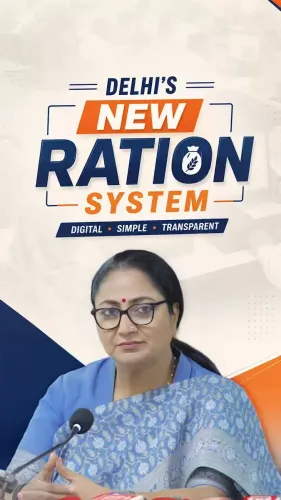
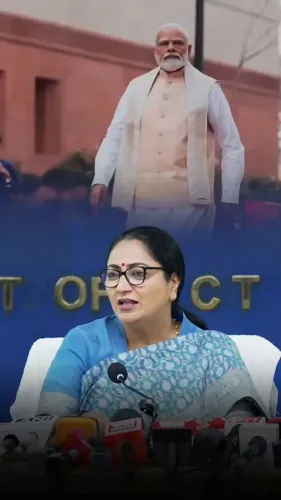
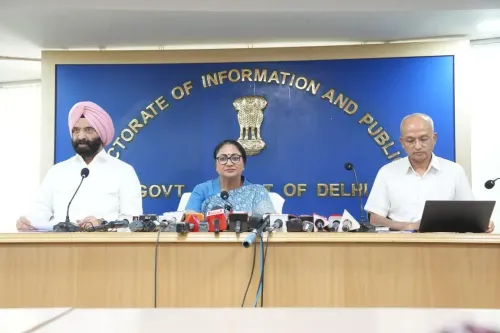
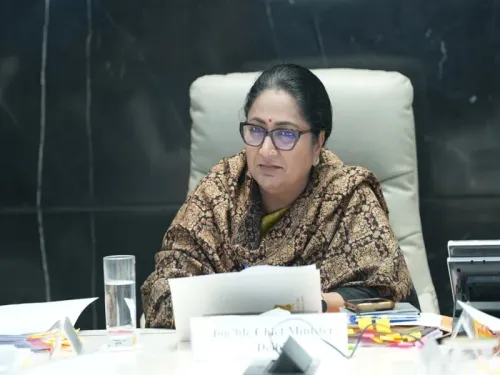
Delhi Chief Minister Rekha Gupta announced on Monday, June 1, 2026, that Delhi has reopened applications for new ration cards after a gap of 13 years, raising the income eligibility ceiling from ₹1.2 lakh to ₹2.5 lakh per annum and shifting the entire application process online.
Context
In her post, Chief Minister Gupta stated that the move would allow 'lakhs of more deserving families' to access free ration 'with greater ease.' The announcement marks the first resumption of fresh ration card registrations in the national capital in over a decade, a gap that had effectively frozen coverage for a large segment of the city's low-income population.
The income threshold revision — from ₹1.2 lakh to ₹2.5 lakh — more than doubles the ceiling, bringing a wider band of working-class and lower-middle-income households within the ambit of the Public Distribution System (PDS).
Policy Backdrop
India's food security architecture rests on the National Food Security Act (NFSA), 2013, which entitles priority and Antyodaya households to subsidised wheat, rice, and other essentials through the PDS network of fair price shops. States retain discretion over income-based eligibility criteria and application windows within the central framework.
Across Indian states, periodic revisions to PDS income ceilings and the migration of application processes to digital platforms have been part of a broader push to expand coverage while curbing leakages. Central government initiatives such as Aadhaar seeding and the One Nation One Ration Card portability scheme have accelerated this digitisation trend, making online-only application workflows increasingly standard.
Delhi, as the National Capital Territory, implements both central food security mandates and state-level eligibility rules. The 13-year freeze on new registrations had drawn attention from welfare advocates who argued that urban migration and income growth had left many genuinely needy households without access to subsidised grain.
Stakeholders and Impact
The primary beneficiaries are Delhi's urban poor and low-income working families — including daily-wage labourers, domestic workers, and small traders — whose household incomes fall between the old ceiling of ₹1.2 lakh and the new limit of ₹2.5 lakh. These households were previously ineligible despite facing food insecurity.
The shift to a fully online application process is intended to reduce paperwork and the friction of in-person verification at government offices. However, digital access and literacy gaps among the very poor remain a practical concern for implementation agencies and civil society groups working in low-income settlements across the city.
Fair price shop operators and the Delhi government's food and civil supplies department will face increased administrative load as new applications are processed, verified against Aadhaar-linked records, and converted into active ration cards.
What's Next
The immediate test will be the volume of online applications received in the coming weeks and the speed of the government's verification and card-issuance pipeline. Supplementary budget allocations for additional grain procurement may be required if uptake significantly exceeds projections.
The Delhi government is also expected to roll out awareness campaigns to inform eligible households — particularly in resettlement colonies and unauthorised clusters — about the new income threshold and the steps required to apply online. How swiftly the administration converts applications into active entitlements will determine whether the policy shift delivers on its stated promise of expanding food security for lakhs of families in the capital.
Point of View
Timed to demonstrate tangible governance delivery in a city that has been a high-stakes political battleground. Doubling the income ceiling is a calibrated move: it broadens the beneficiary base without fundamentally restructuring the subsidy architecture, and the online-only process positions the administration as reform-minded while carrying real risks around digital exclusion for the poorest applicants. The announcement fits a national pattern of state governments revisiting dormant PDS windows as urban poverty data and electoral calculations converge. Whether the policy translates into actual card issuance at scale — rather than a large pending-application backlog — will be the real measure of its impact.
NationPress
15 Oct 2026
Frequently Asked Questions
How can I apply for a new ration card in Delhi in 2026?
Delhi has launched a fully online application process for new ration cards. Eligible applicants can apply through the Delhi government's food and civil supplies portal; physical applications at government offices are no longer required under the new system.
What is the income limit for a ration card in Delhi now?
The annual household income limit for ration card eligibility in Delhi has been raised to ₹2.5 lakh , up from the previous ceiling of ₹1.2 lakh , as announced by Chief Minister Rekha Gupta on June 1, 2026.
Why were ration card applications closed in Delhi for 13 years?
Delhi had not accepted fresh ration card applications for approximately 13 years. The exact administrative reasons were not specified in the announcement, but such freezes are common when state governments pause registrations pending data updates or policy revisions.
Who benefits from the new Delhi ration card income limit?
Households with an annual income between ₹1.2 lakh and ₹2.5 lakh — previously ineligible — now qualify. This includes a large segment of Delhi's urban working class such as daily-wage earners, domestic workers, and small traders.
What is the One Nation One Ration Card scheme and does it apply in Delhi?
The One Nation One Ration Card scheme allows beneficiaries to access their PDS entitlements from any fair price shop across India using Aadhaar-linked ration cards. Delhi is part of this national portability framework, and new cards issued will be Aadhaar-seeded and portable.