Delhi SIR electoral roll revision: 20 of 33 lakh notice cases resolved, says CEO
Synopsis
Delhi's voter-list overhaul is moving fast but faces a crunch: 20 lakh of 33 lakh discrepancy notices have been cleared, but 13 lakh cases remain open ahead of the 4 November final roll publication. Prominent names — including External Affairs Minister S. Jaishankar and former VP Jagdeep Dhankhar — were among those issued notices, underlining just how sweeping this clean-up has been.
Key Takeaways
20 lakh of 33.13 lakh electoral discrepancy cases in Delhi have been resolved as of 12 October 2026 , says the Chief Electoral Officer .
The Special Intensive Revision (SIR) was triggered after draft rolls covering 97 lakh+ voters showed logical or un-mapped discrepancies.
Most discrepancies stemmed from a mismatch with the previous SIR conducted in 2002 .
Prominent notice recipients include External Affairs Minister S.
Jaishankar , former VP Jagdeep Dhankhar , L.K.
Advani , and Election Commissioner S.S.
Voters with grievances can approach any of 14,947 BLOs , 902 AEROs , 70 EROs , or 13 DEOs ; the response deadline was 30 September .
The final electoral roll for Delhi is scheduled for publication on 4 November 2026 .
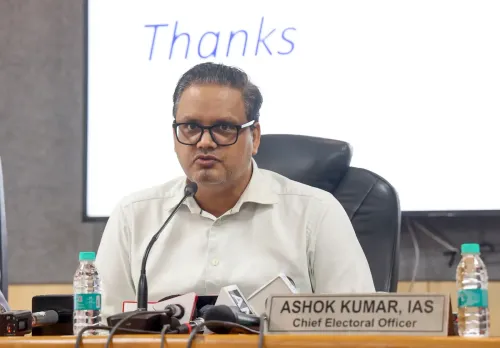
Delhi's Chief Electoral Officer (CEO) on Monday, 12 October 2026, announced that issues concerning nearly 20 lakh of the 33 lakh electors served notices over discrepancies during the ongoing Special Intensive Revision (SIR) of electoral rolls in Delhi have been resolved. The update marks a significant step in the city's voter-list clean-up exercise, which is scheduled to culminate in the publication of the final electoral roll on 4 November 2026.
Scale of the SIR Exercise
The SIR was triggered after the publication of draft electoral rolls covering more than 97 lakh voters in Delhi. Of these, 33.13 lakh electors were found to have submitted details with discrepancies — categorised as Logical Discrepancy or Un-mapped entries — prompting the issuance of individual notices. A majority of these discrepancies arose because voter-furnished information did not match records from the previous Special Intensive Revision conducted in 2002, more than two decades ago.
What the CEO Said
In an official statement, the CEO said: 'About 33 lakh entries in the Delhi voter list were under Logical Discrepancy/Un-mapped. We had started a proactive campaign to resolve these issues. By now, around 20 lakh cases out of 33 lakh have been resolved.' The statement further assured voters that receiving a notice does not automatically mean removal from the electoral roll; it is an opportunity to clarify details and furnish supporting documents.
Prominent Figures Among Notice Recipients
The notices were not limited to ordinary electors. Several nationally recognised personalities were also issued notices as part of the routine exercise. Former Deputy Prime Minister L.K. Advani, External Affairs Minister S. Jaishankar, former Vice President Jagdeep Dhankhar, and Election Commissioner S.S. Sandhu were among those who received notices over discrepancies in their submitted details. Officials underscored that the notices were procedural and non-discriminatory, applying uniformly across all demographics.
How Voters Can Resolve Grievances
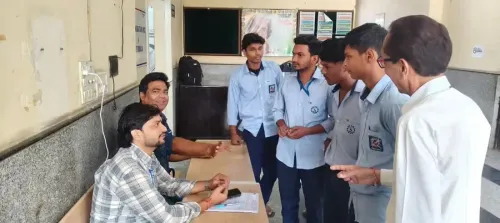
The CEO urged any elector with unresolved concerns to approach the relevant electoral authority. The statement outlined a wide network of officials available for assistance: 14,947 Booth Level Officers (BLOs), 902 Assistant Electoral Registration Officers (AEROs), 70 Electoral Registration Officers (EROs), 13 District Electoral Officers (DEOs), and the CEO's office itself. The deadline for voters to respond to notices and submit supporting documents was 30 September.
What Happens Next
With roughly 13 lakh cases still pending resolution, the electoral machinery faces a compressed timeline before the final roll is published on 4 November 2026. Electoral officials have maintained that no eligible voter will be excluded from the final list. This exercise is part of a broader national effort to cleanse voter databases of outdated or inconsistent records, and its outcome will have direct consequences for voter eligibility ahead of future elections in Delhi.
Point of View
But the 13 lakh still-pending cases against a 4 November deadline should not be glossed over. The inclusion of high-profile names such as Jaishankar and Dhankhar in the notice list underscores either the comprehensiveness of the exercise or the systemic staleness of a voter database last rigorously audited in 2002 — probably both. The deeper question is structural: a 24-year gap between intensive revisions is itself a governance failure that a single clean-up exercise cannot fully repair, and the quality of the final roll will depend on how diligently the remaining 13 lakh cases are adjudicated before November.
NationPress
12 Oct 2026
Frequently Asked Questions
What is the Special Intensive Revision (SIR) of electoral rolls in Delhi?
The Special Intensive Revision (SIR) is a large-scale exercise to verify and update the Delhi voter list. It identified 33.13 lakh electors whose submitted details had discrepancies — categorised as logical or un-mapped entries — and issued them notices to clarify their information and submit supporting documents.
Does receiving an SIR notice mean a voter's name has been deleted?
No. Receiving a notice does not mean a voter has been removed from the electoral roll. The notice is an opportunity for the elector to clarify discrepancies and provide supporting documents to the concerned electoral registration officer.
Who are some of the prominent people who received SIR notices in Delhi?
Among those issued notices are former Deputy Prime Minister L.K. Advani, External Affairs Minister S. Jaishankar, former Vice President Jagdeep Dhankhar, and Election Commissioner S.S. Sandhu. Officials have clarified the notices were procedural and applied uniformly.
What is the deadline to respond to the SIR notice, and when will the final roll be published?
The deadline for voters to respond and submit supporting documents was 30 September 2026. The final electoral roll for Delhi is scheduled to be published on 4 November 2026.
How can Delhi voters resolve grievances related to the SIR exercise?
Voters can approach any of the 14,947 Booth Level Officers (BLOs), 902 Assistant Electoral Registration Officers (AEROs), 70 Electoral Registration Officers (EROs), 13 District Electoral Officers (DEOs), or the Chief Electoral Officer's office directly. The CEO has assured that no eligible voter will be excluded from the final list.