Delhi SIR: Over 4 lakh hearings held as voter roll revision enters final stretch
Synopsis
Over 4 lakh SIR hearings have been completed in Delhi, and the Election Commission is now sending BLOs to voters’ homes instead of summoning them to offices — a procedural shift that could ease friction in the capital’s electoral roll revision. The final roll drops on 4 December 2026.
Key Takeaways
4,01,670 hearings on SIR notices for unmapped and logical discrepancy cases have been completed in Delhi as of 29 September .
BLOs will now visit homes to collect documents for discrepancy cases — affected persons need not appear at ERO/AERO offices.
Special voter enrolment camps at colleges and universities continue on 30 September , with another round on 7–8 October 2026 .
Camps at all polling station locations are scheduled for 4 October and 11 October for all elector categories.
Claims and objections must be submitted by 30 October ; disputes disposed of by 30 November ; final electoral roll published on 4 December 2026 .
New voters turning 18 on or before 1 October must apply via Form 6 online at voters.eci.gov.in or through the ECINet app .
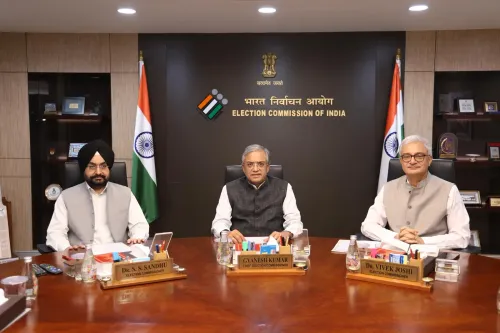
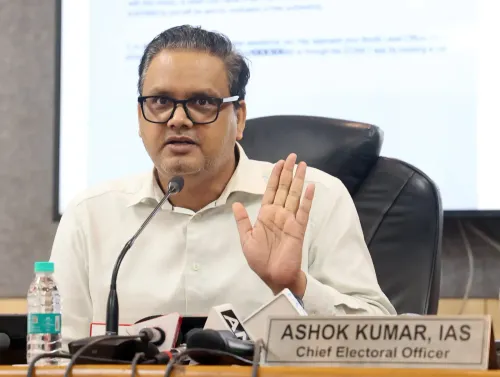
The Chief Electoral Officer (CEO) of Delhi announced on Tuesday, 29 September that 4,01,670 hearings on Special Intensive Revision (SIR) notices — issued for unmapped and logical discrepancy cases — have been conducted across the Capital. The disclosure marks a significant milestone in Delhi's ongoing electoral roll revision ahead of the 4 December publication of the final roll.
How BLO Home Visits Will Work
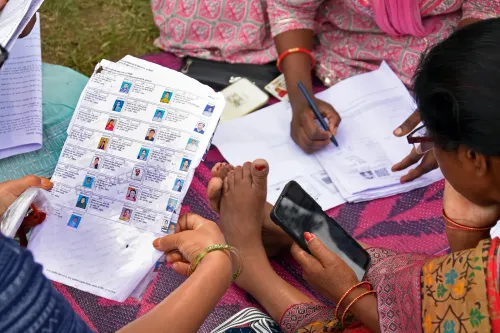
In a key procedural clarification, the CEO stated that individuals who have received SIR notices for unmapped or logical discrepancies will no longer need to appear in person at Electoral Registration Officer (ERO) or Assistant Electoral Registration Officer (AERO) offices. Instead, Booth Level Officers (BLOs) will visit their homes to collect the required documents and upload them on ECINet for the ERO's decision.
“Such persons will not be called for hearing to ERO/AERO office,” the CEO said in an official statement — a step that could ease the burden on citizens navigating the revision process.
Special Camps for Young Voters at Colleges and Universities
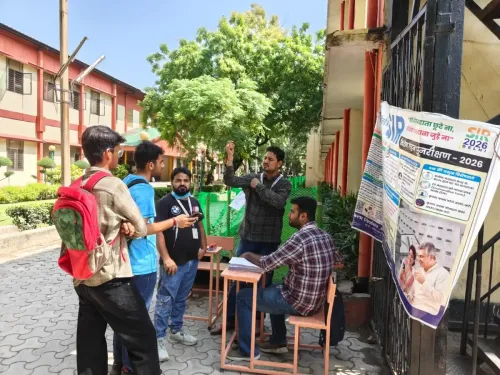
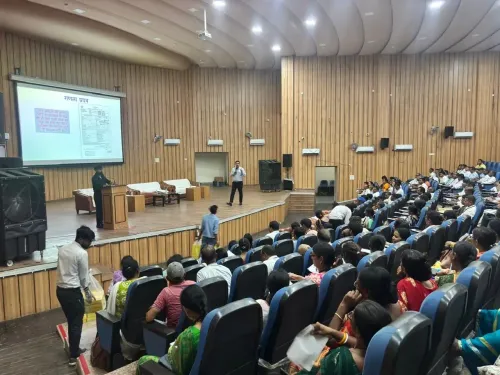
To maximise enrolment of first-time and young electors, Special Camps were organised at multiple colleges and universities across Delhi on Tuesday. A large number of students visited the camps to raise SIR-related queries and to obtain or submit voter registration forms. BLOs stationed at the camps guided students through form-filling, collected completed forms, and addressed queries on the spot.
The camps are set to continue on Wednesday, 30 September, and another round is scheduled at all colleges, universities, and educational institutions across Delhi on 7 and 8 October 2026. Additionally, Special Camps at all polling station locations are planned for 4 October and 11 October, covering all categories of electors.
Key Deadlines and Forms to Know
New applicants who will turn 18 years of age on or before 1 October are required to apply in Form 6 to have their names included in the electoral roll. The official statement also outlined the purpose of other forms: Form 6A is for overseas electors; Form 7 is for objections to proposed inclusion or deletion of names; and Form 8 covers shifting of residence, correction of entries, replacement of EPIC cards, or marking of persons with disabilities.
Both offline and online submission routes are available. Offline applications can be handed over to the ERO, AERO, BLOs, or at designated polling station locations. Online submissions are accepted through the Election Commission of India (ECI) website at voters.eci.gov.in and via the ECINet mobile app.
Timeline: From Claims to Final Roll
All claims and objections must be submitted by 30 October. Disputes received by that date will be disposed of by 30 November, with the final electoral roll slated for publication on 4 December 2026. This compressed timeline reflects the Election Commission of India’s push to complete the revision process in an orderly and transparent manner ahead of anticipated electoral activity in the Capital.
With over four lakh hearings already completed and home visits by BLOs now replacing office appearances for discrepancy cases, the revision drive is entering its most consequential phase — one that will determine who gets to vote when Delhi next goes to the polls.
Point of View
But it also shifts verification responsibility onto field officers whose capacity and accountability vary widely across constituencies. The tight December deadline leaves little room for appeals or re-verification if BLO visits produce disputed outcomes. Delhi’s voter rolls have historically been contested terrain; how cleanly this revision closes is worth watching closely.
NationPress
30 Sept 2026
Frequently Asked Questions
What is the SIR process currently under way in Delhi?
The Special Intensive Revision (SIR) is an Election Commission of India exercise to update and clean Delhi’s electoral rolls by resolving unmapped and logical discrepancy cases. As of 29 September, over 4,01,670 hearings on SIR notices have been completed in the Capital.
Do I need to visit an ERO office if I received an SIR notice?
No. The Delhi CEO has clarified that persons who received SIR notices for unmapped or logical discrepancies will not be called to ERO or AERO offices. A Booth Level Officer will visit their home to collect documents and upload them on ECINet for the ERO’s decision.
When is the deadline to submit voter registration claims and objections in Delhi?
All claims and objections must be submitted by 30 October 2026. Disputes received by that date will be disposed of by 30 November, and the final electoral roll will be published on 4 December 2026.
How can young voters in Delhi register before the deadline?
New applicants turning 18 on or before 1 October must apply using Form 6. Applications can be submitted offline to BLOs or EROs, or online at voters.eci.gov.in and through the ECINet mobile app. Special camps at colleges and polling stations are also being held in October.
What are the upcoming Special Camp dates for voter enrolment in Delhi?
Special Camps at colleges and universities are scheduled for 7 and 8 October 2026. Camps covering all elector categories will be held at polling station locations on 4 October and 11 October 2026.