SC issues notice to ECI on Delhi SIR plea; flags machine-generated notices
Synopsis
Over 47 lakh names dropped from Delhi's draft electoral roll and 33 lakh voters served 'logical discrepancy' notices — now the Supreme Court is asking the Election Commission whether those notices were machine-generated and whether voters were given enough information to respond. The court's suggestion of BLO hand-holding and FAQ sheets signals deep concern about ground-level communication failures in the ongoing Special Intensive Revision.
Key Takeaways
The Supreme Court issued notice to the ECI on 22 September 2026 over the conduct of Delhi's Special Intensive Revision (SIR) of electoral rolls.
A bench led by CJI Surya Kant flagged that notices to voters may be machine-generated and suggested additional filters before issuance.
More than 47 lakh names were excluded from Delhi's draft electoral roll published on 31 August ; over 33 lakh electors have been flagged for 'logical discrepancy' notices.
The ECI assured the court that no voter will be deleted without an opportunity of hearing, and that personnel have been increased to address the backlog.
The final electoral roll is scheduled for publication on 4 November ; the matter returns to court after two weeks .
Voters whose names are missing from the draft roll may file Form 6 with documents during the ongoing claims and objections period.
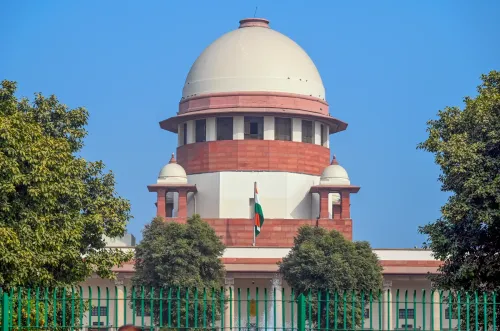
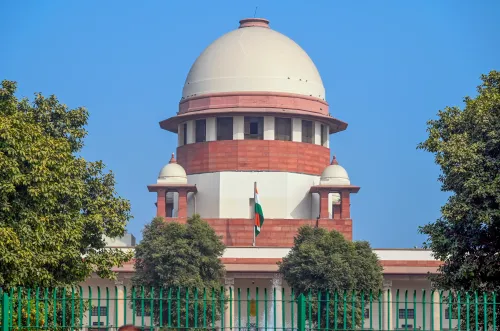
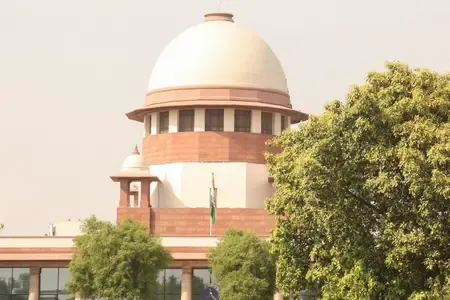
The Supreme Court on Tuesday, 22 September 2026, issued notice to the Election Commission of India (ECI) on a petition challenging the conduct of the Special Intensive Revision (SIR) of electoral rolls in Delhi, with particular concern over notices issued to voters under the 'logical discrepancy' category. A bench comprising Chief Justice of India Surya Kant and Justices Joymalya Bagchi and V. Mohana sought the poll panel's response and directed it to detail the immediate steps taken to address the concerns raised. The matter has been posted for further hearing after two weeks.
Court's Observations on Notice Quality
Justice Bagchi expressed concern that some notices appeared to have been issued without adequate scrutiny, pointing to what he described as likely automated generation. 'In all probability, they are machine-generated notices. So, please examine whether some additional filters are necessary before issuing the notices,' Justice Bagchi observed during the hearing. The bench urged the ECI to determine whether additional safeguards were warranted before such notices were dispatched to electors.
BLO Assistance and Voter Guidance
The Supreme Court stressed the importance of Booth Level Officers (BLOs) providing hands-on assistance to voters who receive notices, and suggested that the ECI sensitise its field-level staff to engage more closely with affected electors. The court also recommended that the poll body prepare a set of Frequently Asked Questions (FAQs) to help voters understand the SIR process and the steps required to respond to notices — a signal that communication gaps on the ground are a pressing concern.
Scale of the Revision and Petitioners' Concerns
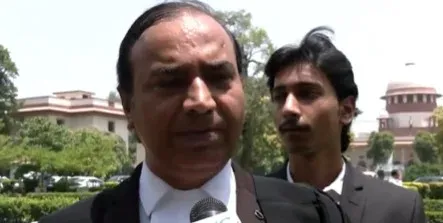
Advocate Prashant Bhushan, appearing for the petitioners, argued that notices had been sent to a large number of electors without adequately disclosing the reasons or the remedial steps available to them. The petition specifically challenged the issuance of 'logical discrepancy' notices and sought disclosure of the criteria used to flag voters under that category. The stakes are considerable: more than 47 lakh names were excluded from the draft electoral roll published on 31 August, while over 33 lakh electors have been identified for notice issuance over discrepancies in their enumeration forms.
ECI's Response and Assurances
Senior advocate Dama Seshadri Naidu, representing the ECI, called the petition premature and assured the bench that the poll body was actively addressing the concerns. 'The reason is mentioned in every notice,' Naidu submitted. The ECI's counsel further assured the court that no voter would be deleted from the electoral roll without an opportunity of hearing, and confirmed that the commission had increased personnel to clear the backlog of pending cases. Naidu also noted that each notice carries details of the concerned BLO, whom the voter can directly approach for help.
Timeline and What Happens Next
The bench was informed that Delhi is not scheduled to go to polls in the near future, providing sufficient time to remedy any procedural lapses. The ECI indicated that the deadline for completing the SIR process could be extended if required. The claims and objections window is currently open, with the final electoral roll slated for publication on 4 November. The Delhi Chief Electoral Officer clarified on Monday that receiving an SIR notice does not automatically mean an elector's name will be deleted, and that eligible persons whose names are missing from the draft roll may file Form 6 with supporting documents during the claims and objections period. Special camps are also proposed to assist voters through the process.
Point of View
The scale of the SIR exercise raises legitimate questions about due process. Justice Bagchi's pointed remark about machine-generated notices is a judicial signal that automation without adequate human oversight can undermine the very integrity of an electoral roll revision meant to improve accuracy. The ECI's assurance that no deletion will occur without a hearing is the right commitment — but commitments mean little without a robust, accessible grievance infrastructure. The court's suggestion of BLOs doing door-to-door outreach and a public FAQ sheet reflects a concern that is rarely aired: India's electoral machinery is strong at the top but frequently opaque at the booth level, where marginalised voters are least equipped to navigate bureaucratic notices.
NationPress
22 Sept 2026
Frequently Asked Questions
What is the Delhi Special Intensive Revision (SIR) of electoral rolls?
The Special Intensive Revision (SIR) is a process conducted by the Election Commission of India to update and verify the accuracy of Delhi's electoral rolls, including linking voters to their enumeration forms and identifying discrepancies. A draft revised roll was published on 31 August, with the final roll scheduled for 4 November.
Why has the Supreme Court intervened in the Delhi SIR process?
The Supreme Court issued notice to the ECI after a petition challenged the manner in which 'logical discrepancy' notices were being sent to over 33 lakh electors, arguing the notices lacked adequate reasons and guidance. The bench also flagged concerns that the notices may have been machine-generated without sufficient individual scrutiny.
What does a 'logical discrepancy' notice mean for a Delhi voter?
A 'logical discrepancy' notice is sent to electors whose names appear in the draft roll but could not be properly linked to the electoral roll of the last intensive revision, or who show inconsistencies in their enumeration forms. The Delhi Chief Electoral Officer has clarified that receiving such a notice does not mean the voter's name will be deleted from the final roll.
Will voters be removed from Delhi's electoral roll without any notice?
No. The ECI has assured the Supreme Court that no voter will be deleted from the electoral roll without being given an opportunity of hearing and without a proper, appealable order. Voters can also approach their Booth Level Officer (BLO) for assistance.
What should Delhi voters do if they receive an SIR notice or find their name missing?
Voters who receive an SIR notice should contact the Booth Level Officer (BLO) named in the notice for guidance. Those whose names are absent from the draft roll can file Form 6 with supporting documents during the claims and objections period; special camps are also being organised to help voters through the process.