Delhi CM Rekha Gupta opens Burari vehicle fitness testing station, 2nd in 23 days
Synopsis
Delhi has opened its second automated vehicle fitness testing station in 23 days — this time in Burari — with annual testing capacity of 90,000 vehicles. The rapid rollout under CM Rekha Gupta's #SevaSankalpAbhiyan signals a visible push on pollution control, even as the city simultaneously grapples with a DTC contractual bus drivers' strike that is testing the government's transport management credentials.
Key Takeaways
Delhi CM Rekha Gupta inaugurated an automated vehicle fitness testing station in Burari , north Delhi, on 26 September 2026 .
The station can test up to 90,000 vehicles annually and is Delhi's second such facility in 23 days — the first opened in Tehkhand on 3 September .
The inaugurations are part of the government's #SevaSankalpAbhiyan initiative aimed at pollution control and road safety.
MP Manoj Tiwari and Cabinet Minister Pankaj Kumar Singh were present at the Burari launch.
Transport Minister Pankaj Kumar Singh held talks with OEM and operator representatives on Friday over a DTC contractual bus drivers' strike , discussing health insurance, accident cover, salary slips, and rest provisions.
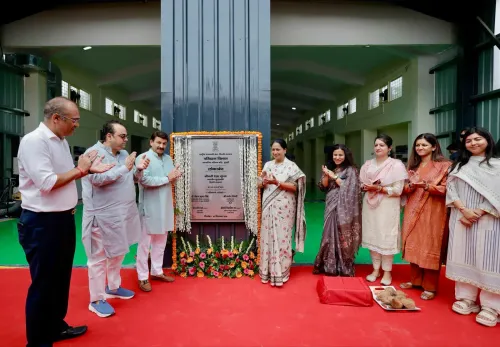
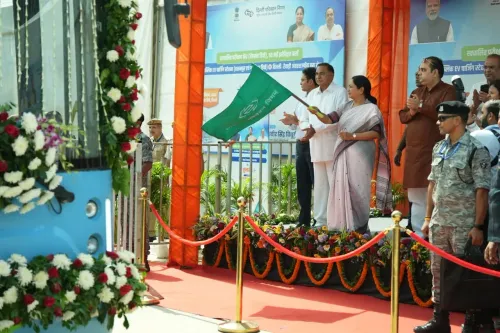
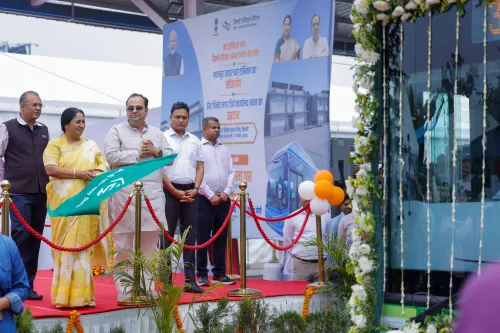
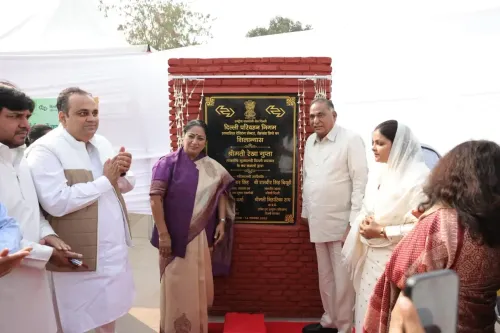
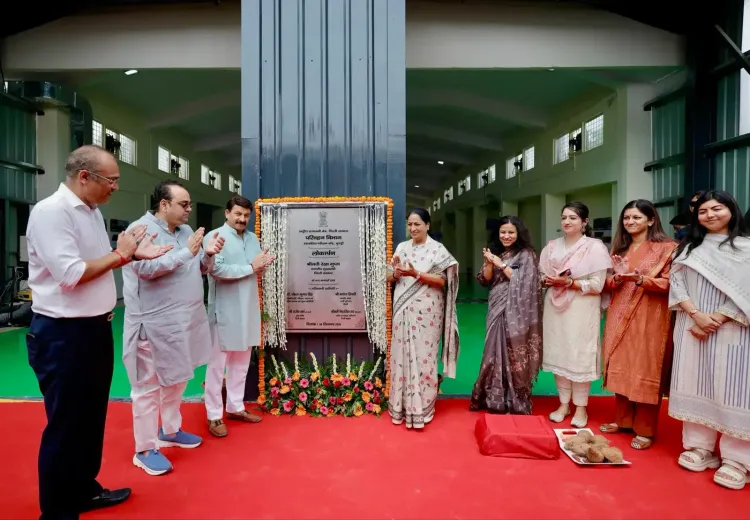
Delhi Chief Minister Rekha Gupta on Saturday, 26 September 2026, inaugurated an automated vehicle fitness testing station in Burari, north Delhi, marking the capital's second such facility in less than a month. The station, capable of fitness-testing up to 90,000 vehicles annually, is part of the government's broader push on pollution control and road safety.
Key Details of the Burari Station
The facility is described as an 'ultra-modern Automated Testing Station' and is the second to open under the government's #SevaSankalpAbhiyan initiative. The first station was inaugurated on 3 September in Tehkhand. Chief Minister Gupta noted that the two launches were separated by just 23 days, calling the pace a reflection of her administration's delivery speed.
Member of Parliament Manoj Tiwari and Cabinet Minister Pankaj Kumar Singh were among the dignitaries present at the inauguration ceremony in Burari.
Why Automated Testing Matters for Delhi
Delhi routinely ranks among India's most polluted cities, particularly during the winter months when vehicular emissions combine with stubble burning and stagnant air to push air quality into hazardous territory. Automated fitness testing is intended to weed out older, high-emission vehicles from city roads by standardising the inspection process and reducing scope for manual irregularities. Officials indicated that the stations will also contribute to road safety by ensuring mechanically unfit vehicles are flagged before accidents occur.
This is the first time Delhi has seen two such stations operational in the same calendar month, representing a visible acceleration compared to earlier years when fitness testing infrastructure remained sparse relative to the size of the capital's vehicle fleet.
DTC Contract Drivers' Strike: Parallel Pressure on Transport
Separately, Transport Minister Pankaj Kumar Singh on Friday held discussions with representatives of original equipment manufacturers and bus operators, amid an ongoing strike by a section of Delhi Transport Corporation (DTC)'s contractual bus drivers. The drivers operate buses under the Cluster Scheme through concessionaires.
According to the government statement, talks centred on key welfare demands raised by the drivers, including health insurance for drivers and their families, accident insurance and compensation, timely issuance of salary slips and appointment letters, performance-linked variable incentives, and weekly and monthly rest provisions.
Minister Singh said both driver welfare and service continuity were priorities. 'The welfare of contractual drivers and the continuity of public transport services are both important. We have discussed the principal issues raised by the drivers and the measures proposed for their resolution,' he said.
He added that stakeholders had been asked to explore the feasibility of proposed measures within the framework of applicable laws and operational requirements, while ensuring bus services remain uninterrupted.
What Comes Next
With two automated testing stations now operational, the Delhi government is expected to face pressure to expand the network further, particularly into south and east Delhi where fleet density is high. On the DTC front, the outcome of stakeholder consultations is likely to determine whether the strike escalates or is resolved before the winter peak travel season.
Point of View
But the harder question is scale — Delhi has millions of registered vehicles and a long history of underenforced fitness norms. The real test of this infrastructure is utilisation rates and enforcement follow-through, not inauguration speed. Meanwhile, the DTC drivers' strike runs in the background as an inconvenient counternarrative: a government promoting transport modernisation while its contractual workforce remains without formalised welfare guarantees is a contradiction that deserves as much scrutiny as the ribbon-cutting.
NationPress
26 Sept 2026
Frequently Asked Questions
What is the automated vehicle fitness testing station inaugurated in Burari?
It is an ultra-modern Automated Testing Station in Burari, north Delhi, inaugurated on 26 September 2026 by Chief Minister Rekha Gupta. The station can fitness-test up to 90,000 vehicles annually and is aimed at enforcing emission and road-safety standards.
How many automated testing stations does Delhi now have?
Delhi now has at least two operational automated vehicle fitness testing stations — one in Tehkhand, inaugurated on 3 September, and one in Burari, inaugurated on 26 September. The two openings were separated by 23 days.
What is the #SevaSankalpAbhiyan initiative?
#SevaSankalpAbhiyan is the Delhi government's service-delivery initiative under which the Burari and Tehkhand automated testing stations were inaugurated. It is framed by the CM's office as a programme to accelerate infrastructure and civic improvements across the capital.
What is the DTC contractual drivers' strike about?
A section of Delhi Transport Corporation contractual bus drivers, who operate under the Cluster Scheme through concessionaires, went on strike over welfare concerns including health and accident insurance, salary slips, appointment letters, and rest provisions. Transport Minister Pankaj Kumar Singh held talks with OEM and operator representatives on Friday to discuss resolution.
What happens next after the DTC strike talks?
Minister Pankaj Kumar Singh has asked stakeholders to assess the feasibility of proposed welfare measures under applicable laws and agreements, while keeping bus services running. A formal resolution or escalation is expected before Delhi's peak winter travel season begins.