Is the Smog in Delhi Starting to Clear?
Synopsis
As air quality in Delhi shows a slight improvement, residents are still grappling with severe pollution levels. The hazardous air has disrupted flights and raised health concerns. With ongoing measures in place, the fight against pollution continues. Find out more about the current situation and its implications for residents.
Key Takeaways
Delhi's AQI improved to 381, but several areas still report severe pollution.
Wazirpur and Jahangirpuri are among the worst affected regions.
Air travel has been disrupted due to poor visibility from smog.
The government has taken steps to shift schooling online for younger students.
Ongoing studies highlight long-term health risks associated with air pollution.
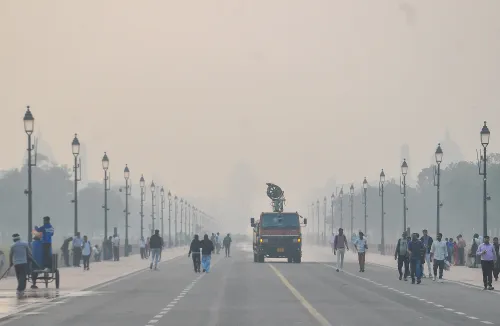
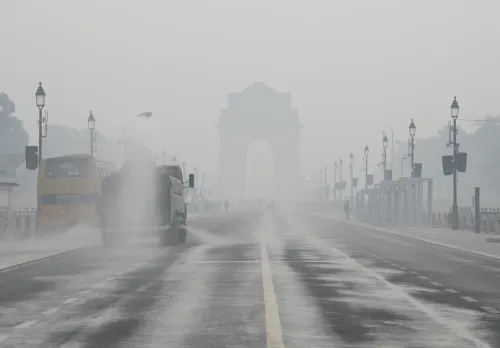
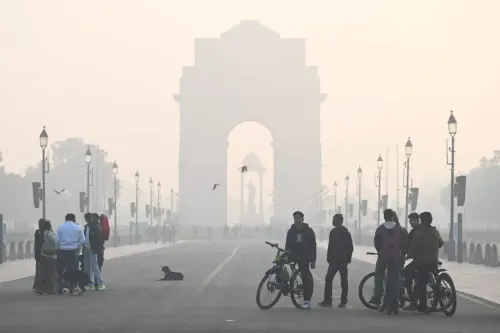
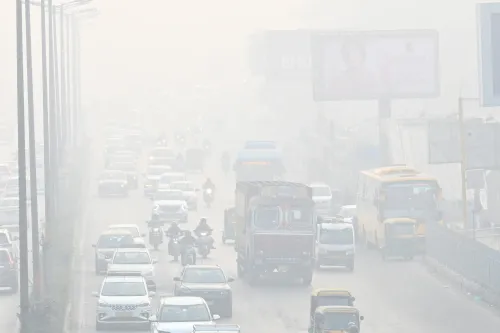
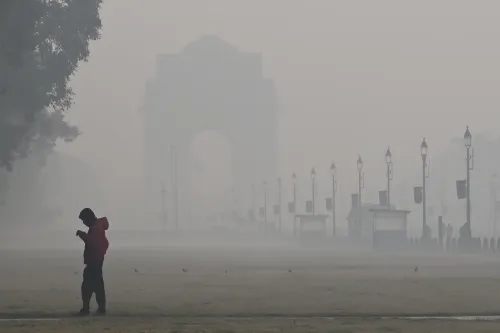
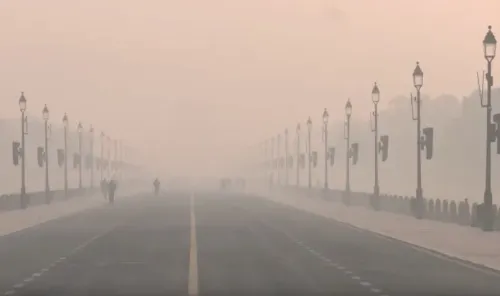
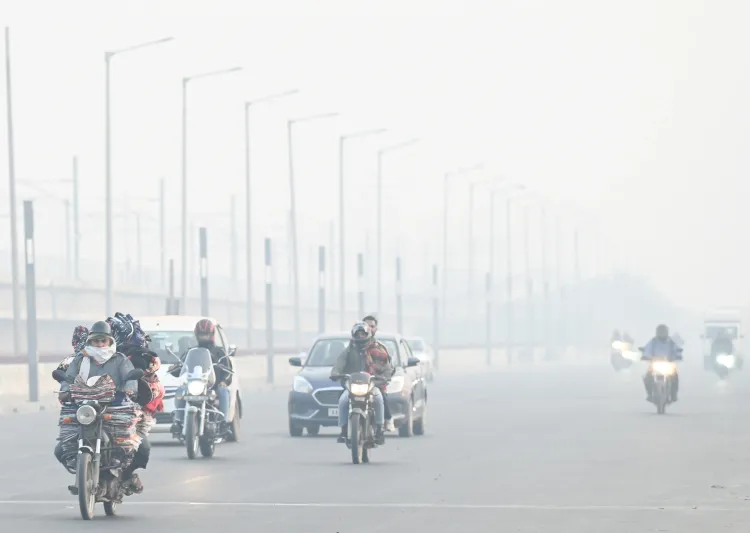
New Delhi, Dec 16 (NationPress) Residents of Delhi and the National Capital Region (NCR) found themselves with a bit of relief on Tuesday as weather conditions improved air quality and visibility slightly. This shift occurred after north-westerly surface winds effectively dispersed the thick fog and haze that had engulfed the area just a day earlier.
The city's Air Quality Index (AQI) saw an improvement, moving into the 'very poor' category with a reading of 381 on Tuesday, down from the 'severe' levels recorded on Monday. The stronger wind flow during the morning hours helped reduce fog density, leading to clearer skies across various locations, including Delhi, Noida, Ghaziabad, and Gurugram. However, the relief was short-lived, with approximately eight air quality monitoring stations still indicating 'severe' pollution levels in the national capital.
Among the most affected areas was Wazirpur, which recorded an AQI of 434, closely followed by Jahangirpuri at 430. Other regions such as Mundka, Delhi Technical University (DTU), and Nehru Nagar also reported 'severe' levels ranging from 424 to 420.
Delhi experienced its most polluted day of the winter season on Sunday, with the AQI soaring to 461. Pollution levels remained alarmingly high on Monday as well, with readings reaching 427, underscoring the ongoing crisis.
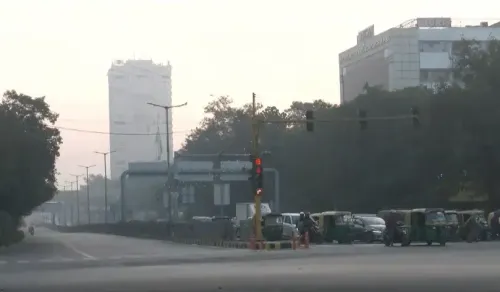
This hazardous air quality has also disrupted air travel. On Monday, the poor visibility caused by the dense toxic haze led to the cancellation of at least 228 flights at Delhi Airport, which included 131 departures and 97 arrivals. Additionally, five flights were diverted to other destinations due to unsafe landing conditions.
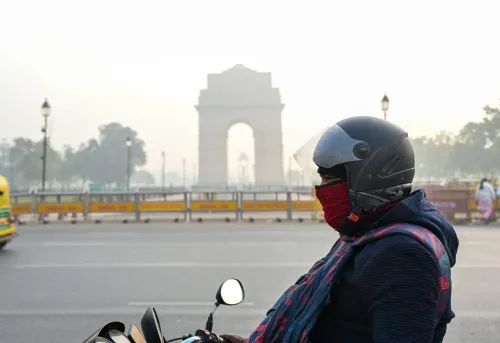
According to India's air quality classification, AQI values between 101 and 200 are deemed 'moderate,' 201-300 'poor,' 301-400 'very poor,' and those above 400 fall under the 'severe' category. The health implications of such pollution levels are serious, with the Centre recently informing Parliament that over two lakh cases of acute respiratory illnesses were reported in six government hospitals in Delhi between 2022 and 2024 amid escalating pollution.
In response to the deteriorating air quality, the Delhi government has mandated that schools transition classes up to Grade 5 to online learning starting Monday. The Delhi High Court has also recommended that lawyers and litigants opt for virtual hearings in cases listed before it and district courts due to the prevailing environmental conditions.
Research continues to emphasize the long-term risks associated with air pollution. A 2024 study published in The Lancet estimated that prolonged exposure to polluted air contributes to around 1.5 million extra deaths each year in India. Similarly, the 2025 Air Quality Life Index (AQLI) report from the University of Chicago identified air pollution as the most significant health risk in the country, leading to a reduction in average life expectancy by 3.5 years.
The report further indicated that 46 percent of India's population resides in areas that exceed national PM2.5 limits, with the Delhi-NCR region being one of the most severely affected. Residents of this region face an estimated loss of 4.74 years in life expectancy.
On a global scale, air pollution continues to be the second-largest risk factor for premature death, responsible for nearly 7.9 million deaths worldwide in 2023, as reported by the State of Global Air Report 2025.
Point of View
I must emphasize the ongoing environmental crisis faced by Delhi and its surrounding regions. Despite a momentary improvement in air quality, the persistent levels of pollution pose a significant threat to public health and safety. It is imperative for authorities to implement effective measures to combat this issue and safeguard the well-being of our citizens.
NationPress
1 Oct 2026
Frequently Asked Questions
What is the current air quality in Delhi?
The current air quality in Delhi has slightly improved, with an AQI of 381, categorized as 'very poor.'
How has the air quality crisis affected flights?
The poor air quality has led to the cancellation of at least 228 flights at Delhi Airport due to visibility issues caused by the toxic haze.
What health risks are associated with high pollution levels?
High pollution levels are linked to serious health issues, including acute respiratory illnesses. Recent reports indicate over 200,000 cases in government hospitals in Delhi.
What measures are being taken to address air quality in Delhi?
The Delhi government has moved classes for students up to Grade 5 to online learning and has encouraged virtual hearings in courts due to poor air quality.
How does Delhi's air quality compare nationally?
Delhi is among the most affected regions in India, where 46% of the population lives in areas exceeding national PM2.5 limits.