Is Delhi Facing a Cold Wave and Poor Air Quality?
Synopsis
As temperatures plummet in Delhi, the IMD has issued a yellow alert for intense fog and a cold wave, warning that conditions may worsen in the coming days. With air quality deteriorating and visibility dropping, residents are urged to take precautions.
Key Takeaways
IMD warns of an upcoming cold wave in Delhi-NCR.
Temperatures have dipped to the lowest levels in three years.
Moderate to dense fog expected, impacting visibility.
Air quality remains in the 'poor' category, raising health concerns.
Residents advised to take necessary precautions.
New Delhi, Jan 11 (NationPress) The India Meteorological Department (IMD) has issued a yellow alert due to intense fog and has cautioned residents of Delhi-NCR about an impending cold wave for Sunday and Monday. The IMD warns that the weather is expected to deteriorate further in the coming days as temperatures plummet.
On Saturday, the national capital experienced its coldest morning this winter, with temperatures recorded at Safdarjung dropping to 4.2 degrees Celsius, marking the lowest January temperature in the last three years, as per IMD data.
The daytime temperatures also remained uncomfortably low, with the maximum reaching only 19.7 degrees Celsius, contributing to the ongoing winter chill across the city.
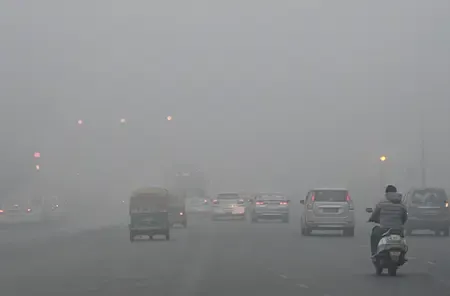
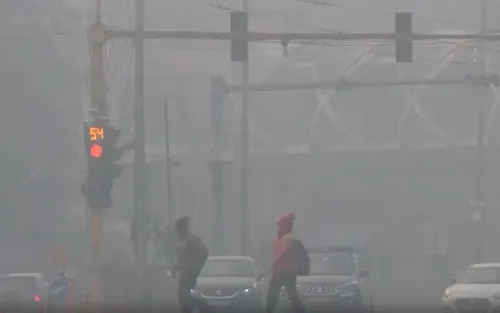
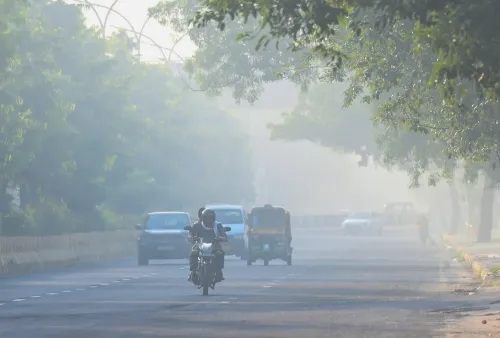
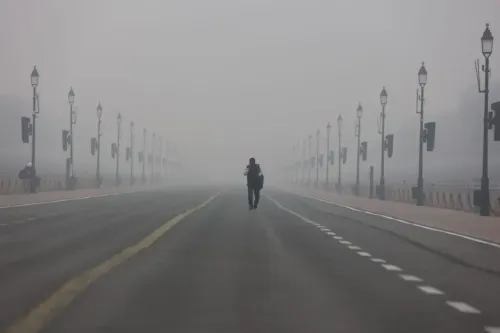
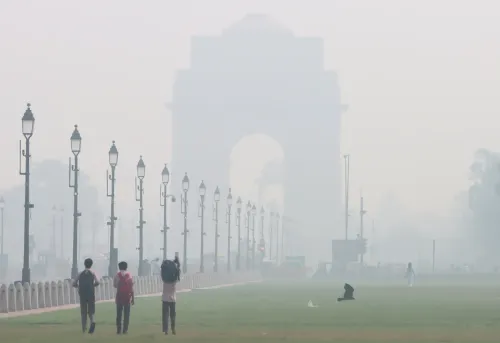
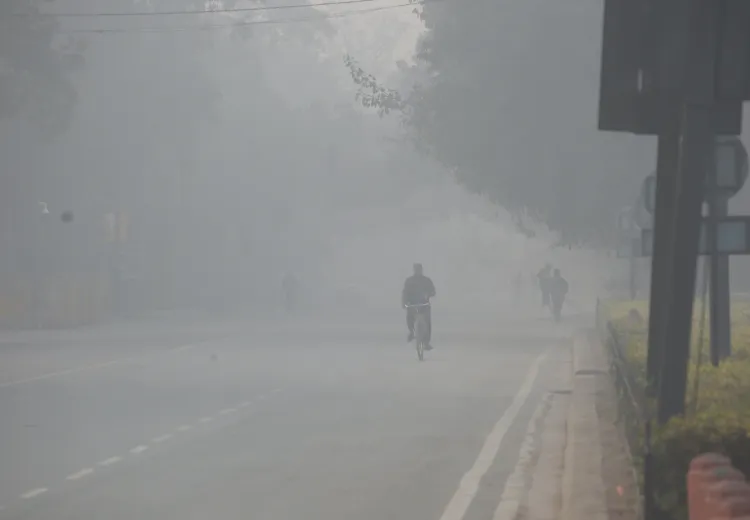
As temperatures decline sharply across various regions in Delhi, the weather department expects moderate to dense fog during the mornings, which will severely impact visibility and exacerbate the cold.
According to IMD standards, a cold wave is recognized when minimum temperatures fall between 4.5 and 6.4 degrees Celsius below normal, based on local climatological data.
Areas such as Palam and Ayanagar recorded minimum temperatures of 4.5 degrees Celsius, while Lodi Road noted 4.7 degrees Celsius, and the Ridge area reported 5.3 degrees Celsius.
Maximum temperatures at various weather stations were also notably low, ranging from 17.2 degrees Celsius at Palam to approximately 19 degrees Celsius at both Safdarjung and Ayanagar.
The previous day, the minimum temperature was recorded at 4.6 degrees Celsius.
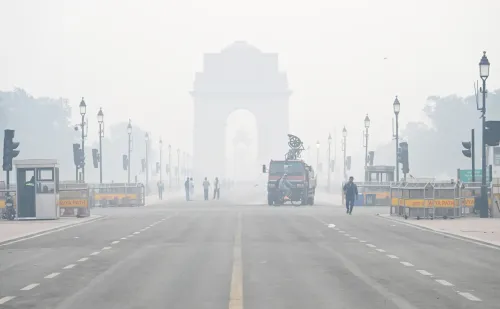
As the cold wave intensifies, the air quality in the region has worsened due to unfavorable weather conditions.
Calm and chilly winds have hindered the dispersion of pollutants, causing an accumulation of harmful particles throughout the city.
On Sunday morning at 8:00 a.m., Delhi's Air Quality Index (AQI) remained in the “poor” category, peaking at 259.
Chandni Chowk reported the most alarming air quality, registering an AQI of 395, dangerously nearing the “severe” range.
Official data indicates that 27 air quality monitoring stations throughout the city recorded “very poor” air quality levels, while 11 stations were classified as “poor,” raising serious health concerns as the cold spell persists.
Point of View
The ongoing cold wave in Delhi highlights the challenges posed by extreme weather conditions. The IMD's alerts serve to inform and prepare the populace for potential health hazards associated with low temperatures and poor air quality.
NationPress
1 Oct 2026
Frequently Asked Questions
What is a cold wave according to the IMD?
A cold wave is declared when minimum temperatures drop between 4.5 and 6.4 degrees Celsius below normal, depending on local climatology.
How cold is it in Delhi currently?
As of now, the minimum temperature in Delhi has dropped to 4.2 degrees Celsius, marking the coldest morning this winter.
What is the current air quality in Delhi?
Delhi's Air Quality Index (AQI) is currently in the 'poor' category, with readings reaching as high as 395 in some areas.
What precautions should be taken during a cold wave?
Residents are advised to wear warm clothing, limit outdoor activities, and use air purifiers indoors to combat poor air quality.
How does fog affect visibility?
Dense fog can significantly reduce visibility, making it hazardous for driving and outdoor activities.