Shiv Sena (UBT) slams Centre over CEC row, calls crackdown on dissent a democracy threat
Synopsis
Shiv Sena (UBT)'s Saamana editorial goes beyond routine opposition criticism — it frames the CEC Gyanesh Kumar row and the alleged crackdown at Jantar Mantar as symptoms of a deeper democratic breakdown, invoking BJP veteran Murli Manohar Joshi's own words on Lincoln-style governance to turn the ruling party's legacy against itself.
Key Takeaways
Shiv Sena (UBT) attacked the Centre in a Saamana editorial on 10 October 2026 , accusing it of undermining Indian democracy.
The editorial alleged a double standard: Rahul Gandhi and Priyanka Gandhi were reportedly manhandled at Jantar Mantar protests, while BJP Mahila Morcha activists allegedly faced no action.
The Thackeray camp alleged plans to deploy two lakh Bajrang Dal members to suppress the opposition's youth-led protest movement.
Delhi Police reportedly denied protest permissions; trains toward Delhi were allegedly cancelled and protesters intercepted.
The editorial cited BJP veteran Murli Manohar Joshi's references to Abraham Lincoln's democratic principles to challenge the current government's democratic credentials.
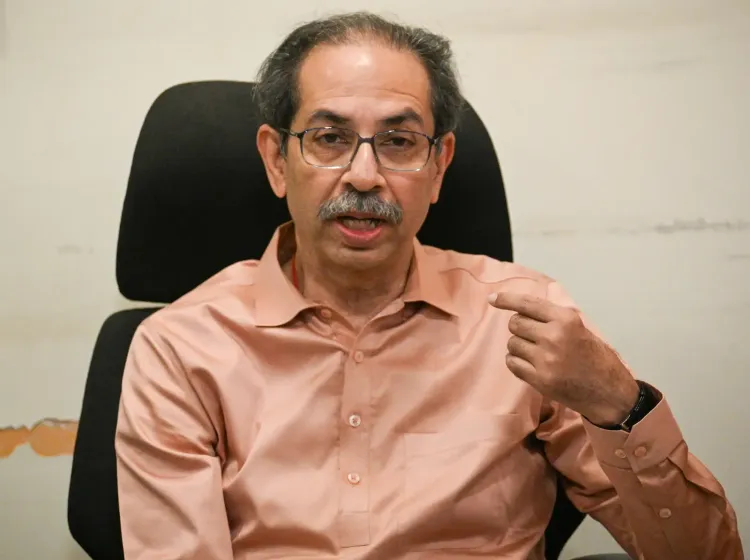
Shiv Sena (UBT) on Saturday, 10 October 2026 launched a sharp attack on the Centre, accusing the ruling establishment of burying Indian democracy through its handling of the Chief Election Commissioner (CEC) Gyanesh Kumar controversy and a reported crackdown on opposition protesters. The Thackeray-led faction made the charges in an editorial published in its party mouthpiece Saamana.
The CEC Controversy at the Centre
The Saamana editorial highlighted that Congress leader Rahul Gandhi's aggressive campaign against CEC Gyanesh Kumar — triggered by allegations of electoral manipulation — has, according to the Thackeray camp, sent shockwaves through the ruling Bharatiya Janata Party (BJP). The editorial asserted that instead of addressing accusations of systemic electoral irregularities, the government is shielding the election chief at all costs — a stance it described as a 'betrayal of the nation.'
The opposition has been demanding the resignation of CEC Gyanesh Kumar, with protests intensifying at Jantar Mantar in New Delhi in recent days. The government has not publicly responded to the specific allegations raised in the editorial.
Alleged Double Standard in Protest Handling
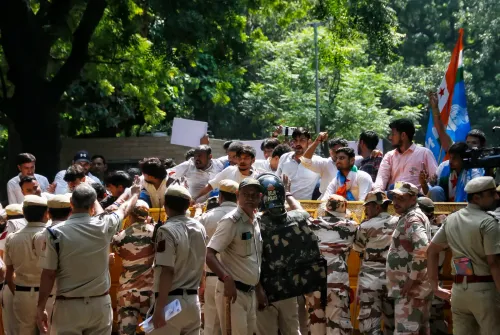
The editorial condemned what it called a glaring double standard in the administration's response to demonstrations. It alleged that opposition leaders including Rahul Gandhi and Priyanka Gandhi were 'dragged, manhandled, and bundled into police vehicles during peaceful protests at Jantar Mantar,' while BJP Mahila Morcha activists staging demonstrations outside the Congress headquarters were reportedly granted immunity by the Home Ministry.
The Thackeray camp further alleged that the government had planned to deploy around two lakh armed members of Bajrang Dal at Jantar Mantar to suppress the opposition's youth-led protest movement. These are the editorial's allegations and have not been independently verified.
Administrative Blocks and Arrests
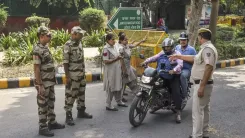
The Saamana editorial detailed a series of alleged administrative measures to restrict the protests. According to the editorial, Delhi Police denied formal permissions for demonstrations, long-distance trains heading toward Delhi were reportedly cancelled en route, and young protesters travelling to participate were allegedly intercepted and arrested.
The Thackeray faction argued that relying on 'political gangs' and 'private armies' to suppress lawful public dissent amounts to inviting anarchy and civil unrest — a characterisation that the ruling side has not directly addressed publicly.
Democratic Principles and the BJP Veteran Reference
Notably, the editorial cited remarks from senior BJP veteran Murli Manohar Joshi regarding Abraham Lincoln's democratic principles — emphasising free elections, transparent bureaucracy, and responsible governance — and lamented that none of these tenets, in its view, survive under the current political dispensation, where constitutional bodies allegedly face institutional capture.
The Uddhav Thackeray-led party said the current climate surpasses authoritarian levels, with the ruling administration allegedly willing to break opposition resolve through physical intimidation rather than political accountability. As opposition parties continue to rally and tensions between state machinery and protesters escalate, the editorial warned that public discontent has reached a critical threshold.
Point of View
Not merely an opposition broadside — by invoking Murli Manohar Joshi's own words on Lincoln-style democracy, the Thackeray camp is attempting to fracture the BJP's internal consensus on the CEC issue. The core allegation of differential treatment of protesters, if substantiated, would represent a serious institutional concern; if not, it underscores how deeply the CEC controversy has polarised political discourse. What mainstream coverage risks missing is that this editorial signals Shiv Sena (UBT)'s intent to own the democratic-integrity narrative heading into the next electoral cycle — a positioning that could prove consequential in Maharashtra, where the party remains a significant force.
NationPress
10 Oct 2026
Frequently Asked Questions
Why is Shiv Sena (UBT) attacking the Centre over the CEC row?
Shiv Sena (UBT) alleges that the Centre is shielding Chief Election Commissioner Gyanesh Kumar despite opposition accusations of electoral manipulation, and is suppressing peaceful protests demanding his resignation. The party's Saamana editorial called this protection a 'betrayal of the nation.'
Who is CEC Gyanesh Kumar and why is there a controversy?
Gyanesh Kumar is India's Chief Election Commissioner. Congress leader Rahul Gandhi has led a campaign against him, alleging electoral manipulation, and opposition parties have demanded his resignation. The government has not publicly conceded to these demands.
What did the Saamana editorial allege about the Jantar Mantar protests?
The editorial alleged that opposition leaders Rahul Gandhi and Priyanka Gandhi were manhandled and detained by police during peaceful protests at Jantar Mantar, while BJP Mahila Morcha activists demonstrating outside Congress headquarters faced no action from the Home Ministry — a double standard, according to the Thackeray camp.
What is the significance of citing Murli Manohar Joshi in the editorial?
By invoking BJP veteran Murli Manohar Joshi's references to Abraham Lincoln's democratic principles — free elections, transparent bureaucracy, and responsible governance — Shiv Sena (UBT) used the BJP's own senior leader's words to argue that the current government has abandoned those principles.
What administrative restrictions did the editorial allege against protesters?
According to the Saamana editorial, Delhi Police denied permissions for protests, long-distance trains headed to Delhi were cancelled mid-route, and young demonstrators travelling to participate were intercepted and arrested. These are allegations from the editorial and have not been independently verified.