CM Dhami: House of Himalayas products now in demand abroad
Synopsis
Chief Minister Pushkar Singh Dhami announced on 11 August 2026 that 'House of Himalayas' — Uttarakhand's government-backed brand for regional handicrafts and organic goods — is now attracting demand in international markets, marking a milestone for the state's hill-economy diversification strategy.
Key Takeaways
CM Pushkar Singh Dhami announced on 11 August 2026 that House of Himalayas products are now in demand in international markets.
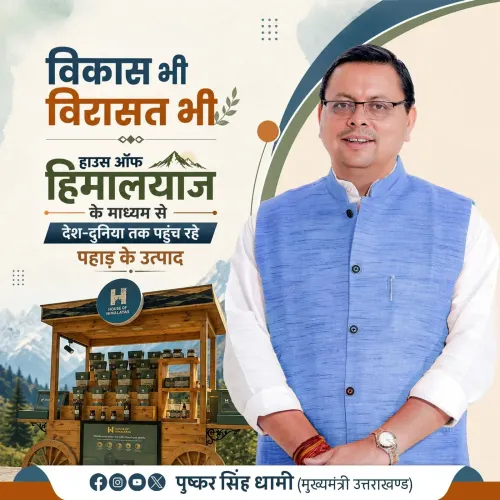
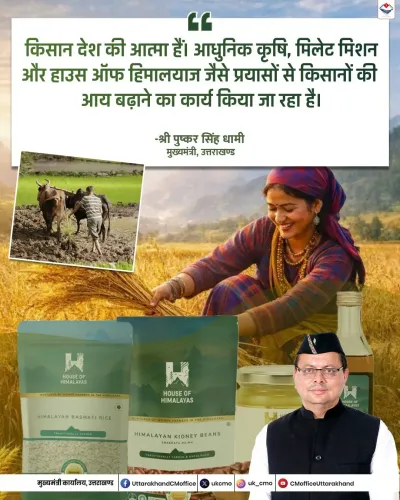
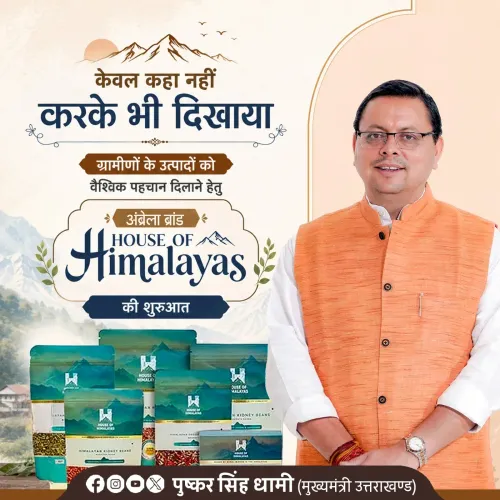
House of Himalayas is a Uttarakhand government initiative branding regional handicrafts, organic goods, and natural products under a unified premium label.
The scheme targets local artisans and small producers in Uttarakhand's hill districts, giving them access to broader markets.
Uttarakhand's strategy mirrors similar branding efforts by other Himalayan and northeastern states seeking to monetise geographic identity.
The government is expected to track export volumes and trade fair participation as indicators of whether international interest is sustained.
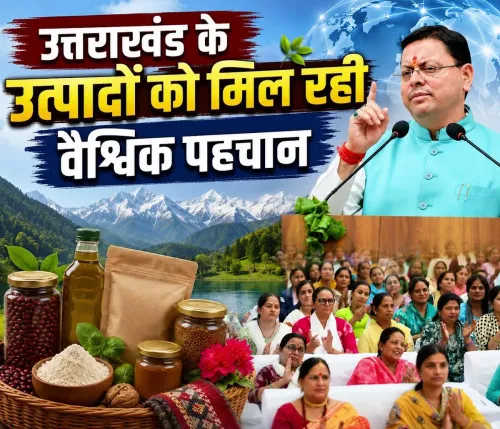
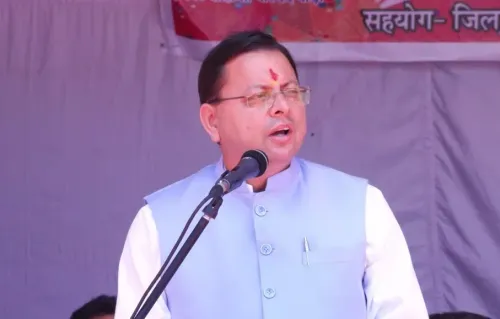
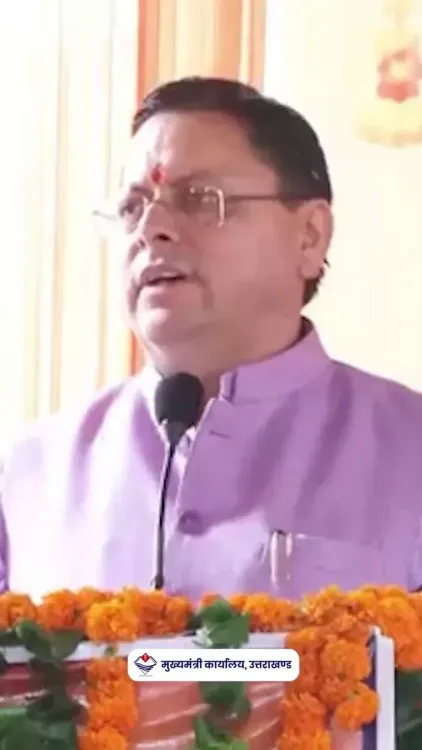
Uttarakhand's homegrown brand is crossing borders. Chief Minister Pushkar Singh Dhami declared on Tuesday, 11 August 2026 that 'House of Himalayas' products are drawing demand not just within India but in international markets — a signal that the state's bet on Himalayan branding is beginning to pay off.
Speaking on the initiative, CM Dhami said: 'aaj House of Himalayas ke utpadon ki maang na sirf desh mein ho rahi hai, balki videsh mein bhi ho rahi hai' — 'today, the demand for House of Himalayas products is not limited to the country; it is being felt abroad as well.'
What House of Himalayas actually is
House of Himalayas is a Government of Uttarakhand initiative designed to give a unified, premium brand identity to the state's regional products — handicrafts, organic produce, herbal goods, and natural items sourced from the hills. The logic is straightforward: Himalayan origin carries global cachet, but individual artisans and small producers lack the market access to monetise it. The brand acts as a collective umbrella, aggregating products and presenting them under a quality-assured label to urban and international buyers.A hill economy's strategic pivot
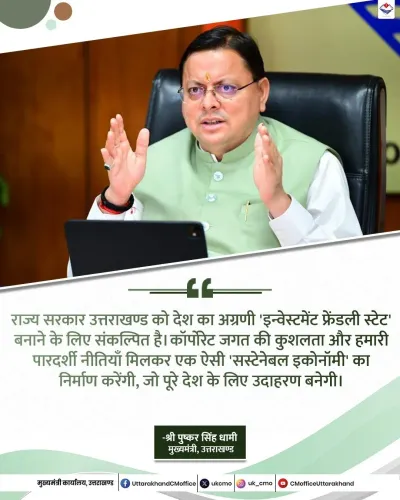
Uttarakhand's economic geography makes this kind of initiative structurally important. With a limited industrial base and an economy historically dependent on tourism and government employment, the state has long looked for ways to generate income that travels — products that can be sold in Delhi, Mumbai, or overseas without the buyer ever visiting the hills. Branding Himalayan-origin goods is one of the cleaner solutions: it leverages natural and cultural assets that are genuinely scarce and hard to replicate elsewhere. Similar strategies have been pursued by other hill and northeastern states — each trying to convert geographic identity into market premium. Uttarakhand's version, anchored under a single government-backed brand, is an attempt to do this at scale.Local artisans at the centre
The beneficiaries are local artisans and small producers — weavers, organic farmers, craftspeople — who gain access to distribution channels and brand equity they could not build independently. If international demand is indeed materialising, even at an early stage, it validates the export-oriented logic the initiative was built on. The government is expected to watch for further milestones: export order volumes, participation in international trade fairs, and whether the foreign interest translates into sustained revenue for hill communities rather than a one-time showcase moment. For a landlocked mountain state, a product that sells in a foreign market is not just an economic win — it is proof that Uttarakhand's identity is a tradable asset.Point of View
Difficult terrain, tourism dependency. Positioning Himalayan-origin goods as a premium export product is politically smart: it frames local artisans as global players without requiring large capital investment. The real test will be whether foreign demand is sustained and translates into measurable income gains for hill producers, or remains a headline-level talking point ahead of electoral cycles.
NationPress
25 Sept 2026
Frequently Asked Questions
What is House of Himalayas?
'House of Himalayas' is a Government of Uttarakhand initiative that brands and markets regional products — including handicrafts, organic goods, and natural items — under a single premium label to reach urban and international buyers.
What did CM Dhami say about House of Himalayas?
On 11 August 2026, Chief Minister Pushkar Singh Dhami stated that House of Himalayas products are now seeing demand not only within India but also in international markets.
Who benefits from the House of Himalayas scheme?
Local artisans, small producers, organic farmers, and craftspeople in Uttarakhand's hill districts are the primary beneficiaries, gaining access to wider distribution channels and brand recognition.
Which countries buy House of Himalayas products?
Specific countries or export volumes have not been officially confirmed. CM Dhami's statement indicates international demand is growing, but exact markets remain unspecified.
How does House of Himalayas help Uttarakhand's economy?
It helps diversify a hill economy that relies heavily on tourism and government employment by creating market value around Himalayan-origin goods that can be sold nationally and globally.