CM Dhami Launches BJP's 'Save Democracy' Campaign Across Uttarakhand
Synopsis
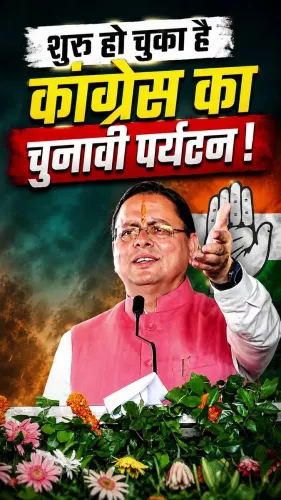
Uttarakhand CM Pushkar Singh Dhami has announced a two-phase BJP campaign — 'Loktantra Bachao, Arajkta Hatao' — running 22 October to 30 November 2026 across all 13 districts, with padyatras and jan samvad events aimed at countering Congress's alleged questioning of constitutional institutions.
Key Takeaways
The BJP campaign 'Loktantra Bachao, Arajkta Hatao' runs from 22 October to 30 November 2026 in two phases across Uttarakhand.
Phase 1 spans 22 October – 5 November ; Phase 2 runs 11 November – 30 November .
Activities will cover all 13 districts of Uttarakhand via foot marches ( padyatras ) and public dialogue ( jan samvad ) events.
CM Dhami directly accused the Indian National Congress of creating distrust toward constitutional institutions rather than accepting electoral mandates.
The campaign also aims to publicise the achievements of both the central and Uttarakhand state governments .
Dhami stated that 'violence, anarchy, and damage to the dignity of constitutional institutions' will not be tolerated under the guise of opposition.
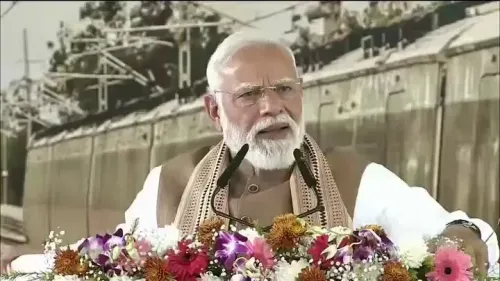
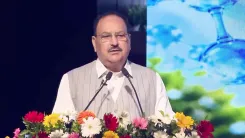
When a ruling party decides to take its democratic defence argument directly to every district on foot, the political temperature has already risen well above normal. Uttarakhand Chief Minister Pushkar Singh Dhami on Thursday, 22 October 2026 announced a sweeping two-phase statewide campaign by the BJP, framing it as a direct counter to what he called Congress's pattern of questioning constitutional institutions after electoral defeats.
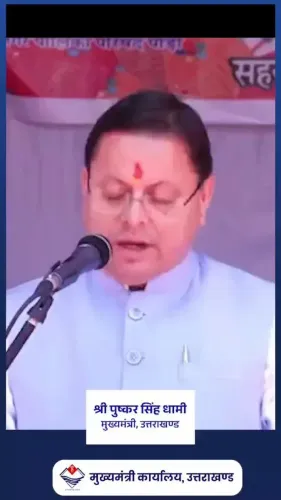
In his post, Dhami stated — 'Loktantra mein janta ka janadesha sarvopari hai' ('In a democracy, the people's mandate is supreme') — before accusing the Congress of manufacturing an atmosphere of distrust toward democratic institutions rather than accepting poll verdicts. The campaign, he declared, would 'expose this politics with facts, before the public.'
Two phases, 13 districts, and a 40-day countdown
The initiative, formally titled 'Loktantra Bachao, Arajkta Hatao' ('Save Democracy, Remove Anarchy'), will run from 22 October to 30 November 2026 across all 13 districts of Uttarakhand. The first phase runs 22 October to 5 November; the second picks up again 11 November and concludes 30 November.
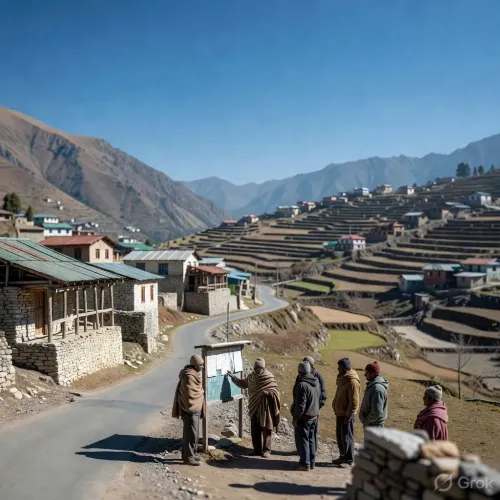
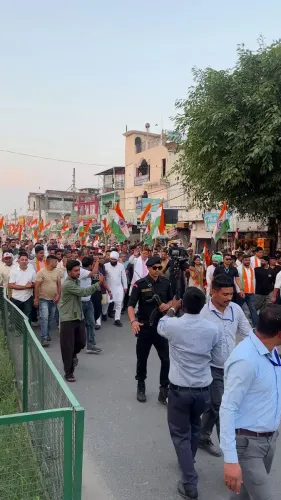
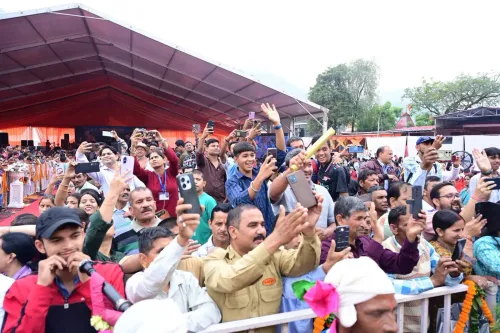
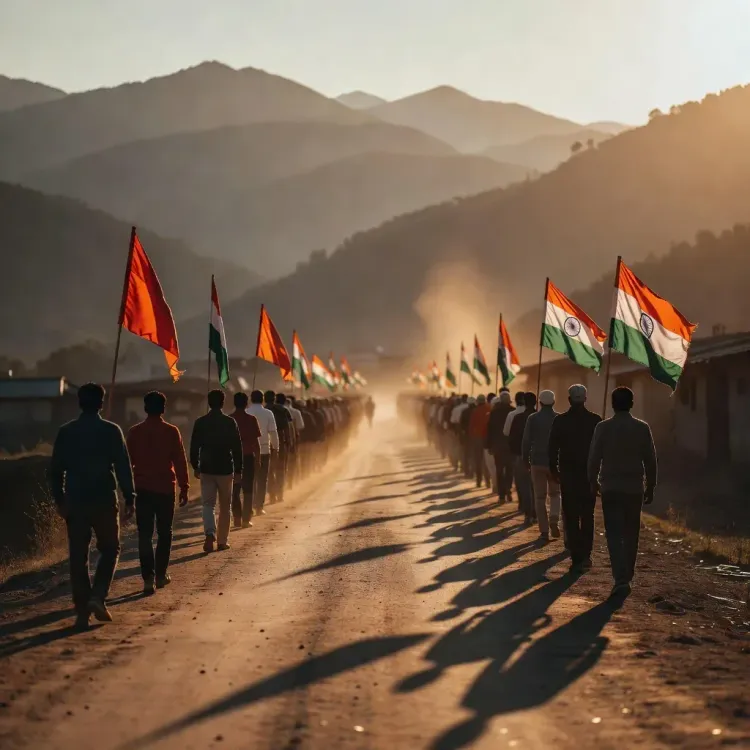
Ground-level activity will centre on padyatras (foot marches) and jan samvad (public dialogue) programmes — formats the BJP has long favoured for grassroots mobilisation. The stated twin aims are raising awareness about democratic values and carrying the achievements of both the central and state governments to ordinary citizens.
The Congress charge and the BJP's calculated response
Dhami drew a sharp line between legitimate opposition and what he described as an assault on constitutional dignity. 'Opposition has a vital role in democracy, and it has every right to criticise the government,' he wrote — but added that 'violence, anarchy, and damage to the dignity of constitutional institutions cannot be permitted in the name of opposition.'
The post stops short of citing any specific incident, but the language maps closely onto a recurring BJP national-level counter-narrative: that the Indian National Congress undermines institutions — the Election Commission, the judiciary, constitutional bodies — whenever results go against it. By deploying the 'anarchy' framing and pairing it with a structured, date-specific campaign, the BJP in Uttarakhand is signalling it intends to fight this argument at the village level, not just on television screens.
Why Uttarakhand and why now
Uttarakhand is a BJP stronghold, and Dhami himself won a second consecutive term after a high-profile 2022 assembly election. The state's 13 districts, stretched across the Himalayan foothills and plains, provide a manageable but symbolically significant canvas for a demonstration of grassroots outreach. Indian parties periodically launch precisely these kinds of post-electoral affirmation drives — part political housekeeping, part preemptive narrative warfare before the next electoral cycle.
Whether Congress responds with a counter-campaign of its own, or whether the padyatras generate the public dialogue the BJP is promising, will determine whether this initiative stays a press release or becomes genuine political news on the ground.
Point of View
The party is also refreshing its grassroots machinery well ahead of any future electoral cycle, blending governance communication with political mobilisation. The timing suggests the BJP believes the Congress narrative on democratic backsliding has found traction at the ground level — otherwise a statewide, 40-day counter-campaign would be unnecessary. How Congress responds, and whether the jan samvad events draw genuine public engagement, will signal whether this remains a top-down messaging exercise or becomes a genuine conversation about democratic health in the hill state.
NationPress
22 Oct 2026
Frequently Asked Questions
What is the 'Loktantra Bachao, Arajkta Hatao' campaign?
'Loktantra Bachao, Arajkta Hatao' ('Save Democracy, Remove Anarchy') is a BJP campaign announced by Uttarakhand CM Pushkar Singh Dhami to run from 22 October to 30 November 2026 across all 13 districts of Uttarakhand, using padyatras and jan samvad programmes to counter what the party calls Congress's questioning of constitutional institutions.
What are the two phases of the BJP Uttarakhand democracy campaign?
Phase 1 runs from 22 October to 5 November 2026, and Phase 2 runs from 11 November to 30 November 2026, together spanning 40 days of outreach across the state.
Why did CM Dhami announce this campaign against Congress?
Dhami accused the Congress of refusing to accept electoral defeats and instead questioning constitutional bodies like the Election Commission, thereby creating distrust in democratic institutions. The campaign is designed to counter this narrative with facts among the general public.
What activities are planned under the Uttarakhand BJP campaign?
The campaign will feature padyatras (foot marches) and jan samvad (public dialogue) events in all 13 districts of Uttarakhand, aimed at raising awareness about democratic values and publicising central and state government achievements.
How many districts will the BJP Uttarakhand campaign cover?
The campaign will cover all 13 districts of Uttarakhand during its two phases between October and November 2026.