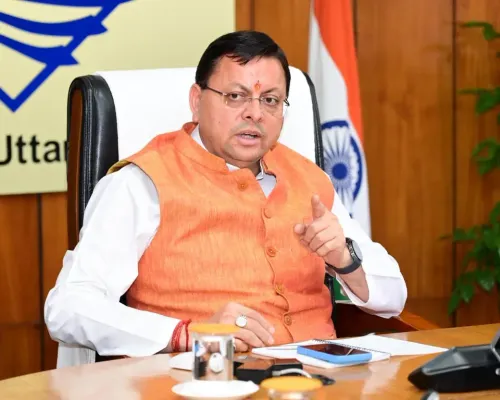
CM Dhami Hails Massive Public Response to Pragati Path Yatra
Synopsis
Uttarakhand Chief Minister Pushkar Singh Dhami on June 16, 2026, hailed the extraordinary public response to the Pragati Path Yatra as proof of citizens' faith in his government's development and welfare agenda, saying the support gives him fresh energy for public service.
Key Takeaways
Pushkar Singh Dhami , Chief Minister of Uttarakhand , posted on June 16, 2026 about the Pragati Path Yatra .
He described the public turnout as 'unprecedented' and likened the crowd to 'godlike people' ( devtulya janta ).
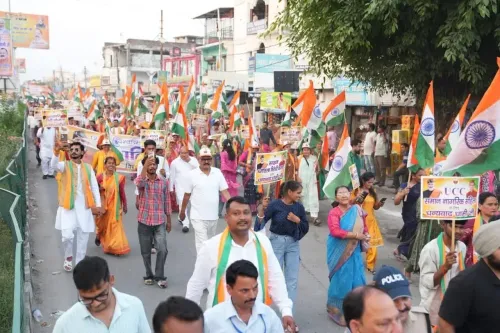
The yatra is a state-wide outreach tour by the Dhami government to highlight development works and engage citizens directly.
Dhami has been Chief Minister since 2021 and was re-elected after the 2022 Uttarakhand assembly elections .
The BJP government in Uttarakhand has focused on road connectivity, welfare delivery, and anti-corruption measures since 2022 .
Observers will watch for policy announcements or scheme launches linked to feedback gathered during the yatra.
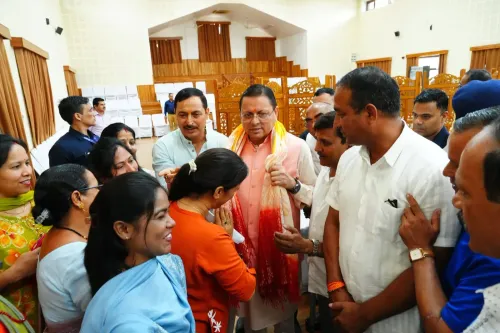
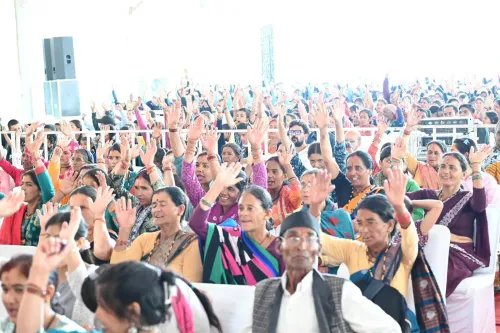
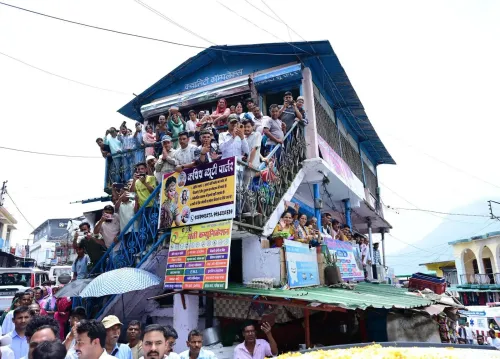
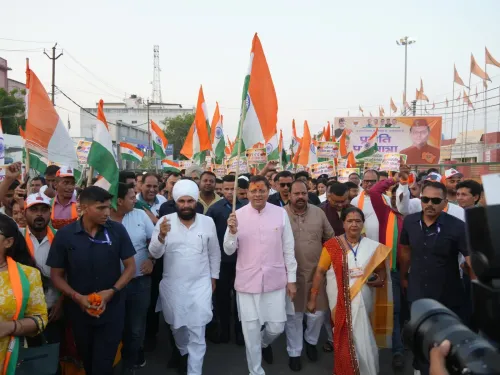
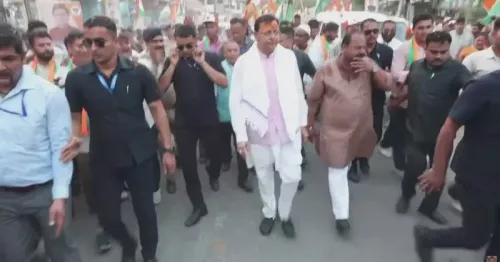
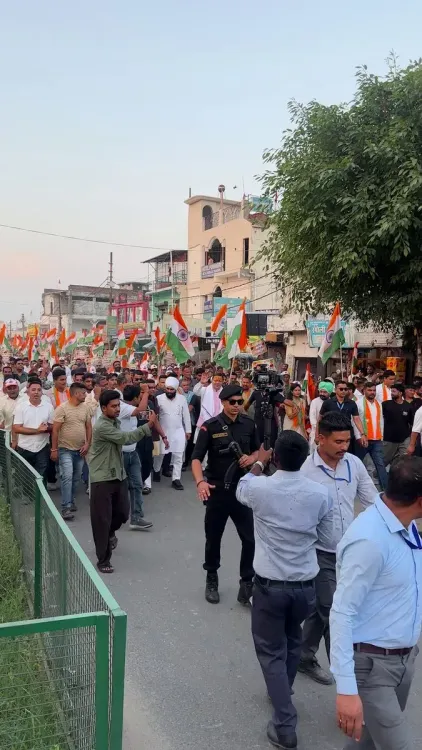
Uttarakhand Chief Minister Pushkar Singh Dhami on Tuesday, June 16, 2026, credited the unprecedented public turnout during the Pragati Path Yatra as living proof of people's unshakeable faith in development, good governance, and public welfare, saying the outpouring of affection and blessings gives him renewed energy for continued public service.
In his post on X, Dhami wrote: 'Pragati Path Yatra ke dauran umda devtulya janta ka abhootpurva jansailab' — describing the crowd as 'godlike people' and the turnout as an 'unprecedented flood of public support,' calling it a 'living testament' to trust in his government's agenda.
Context
The Pragati Path Yatra is a state-wide outreach tour undertaken by the Dhami government to showcase development works carried out across Uttarakhand and to maintain direct contact with citizens. Such yatras are a recurring feature of BJP-led state administrations, used to reinforce governance narratives and gather ground-level feedback ahead of policy decisions.
Dhami, who has served as Chief Minister since 2021 and was re-elected following the 2022 assembly elections, has consistently positioned his administration around themes of infrastructure expansion, anti-corruption drives, and welfare delivery to the state's predominantly rural and hill-district population.
Policy Backdrop
Since the 2022 Uttarakhand assembly elections, the BJP government in the state has pursued multiple infrastructure and welfare initiatives with a focus on road connectivity in hill districts, last-mile delivery of central schemes, and administrative transparency. The Pragati Path Yatra sits within this broader communication strategy — taking the government's reported achievements directly to voters rather than relying solely on institutional channels.
State chief ministers across India have long used such tours to consolidate political capital between election cycles, and the format has been particularly prominent in BJP-governed states as a tool for projecting administrative credibility and sustaining grassroots connect.
Stakeholders and Impact
The primary beneficiaries and audience of the Pragati Path Yatra are residents of Uttarakhand — especially communities in remote hill districts who have historically faced challenges in accessing government services and infrastructure. A large public turnout, as described by Dhami, signals active civic engagement with the state's governance agenda.
For the BJP in Uttarakhand, the yatra also serves an organisational purpose — energising party workers, reinforcing voter loyalty, and generating visible demonstrations of popular support that can shape political narratives in the months ahead.
What's Next
Political observers will watch for whether the Pragati Path Yatra translates into concrete policy announcements — such as new scheme launches, budget reallocations, or infrastructure project inaugurations — based on the feedback gathered during the tour. Opposition parties in Uttarakhand are expected to scrutinise the yatra's claims and may offer counter-narratives on the ground situation in the state. The momentum generated by such public outreach tours often feeds directly into the government's communication calendar for the months that follow.
Point of View
Casting citizen participation as moral endorsement rather than routine engagement. This fits a broader pattern among BJP chief ministers of using yatras to compress the gap between governance and electioneering, keeping the party's ground machinery active between assembly cycles. The real test will be whether the yatra's momentum produces tangible policy follow-through or remains primarily a communication exercise.
NationPress
15 Sept 2026
Frequently Asked Questions
What is the Pragati Path Yatra in Uttarakhand?
The Pragati Path Yatra is a state-wide outreach tour by Uttarakhand Chief Minister Pushkar Singh Dhami aimed at showcasing the government's development works, engaging directly with citizens, and gathering public feedback on welfare delivery across the state.
Who is Pushkar Singh Dhami?
Pushkar Singh Dhami is the Chief Minister of Uttarakhand and a BJP leader. He first became Chief Minister in 2021 and was re-elected to the post following the 2022 Uttarakhand assembly elections.
What did CM Dhami say about the Pragati Path Yatra?
On June 16, 2026, Dhami said the unprecedented public turnout during the Pragati Path Yatra is living proof of people's faith in development, good governance, and welfare, and that the public's affection gives him renewed energy for continued public service.
What is the BJP government's development focus in Uttarakhand?
Since the 2022 assembly elections, the Dhami-led BJP government in Uttarakhand has focused on road connectivity in hill districts, last-mile delivery of central welfare schemes, and anti-corruption administrative measures.
What should we watch for after the Pragati Path Yatra?
Political observers will watch for concrete policy announcements, new scheme launches, or budget reallocations based on feedback from the yatra, as well as opposition responses challenging the government's development claims.