CM Dhami cites public turnout as proof of double-engine govt support
Synopsis
Uttarakhand CM Pushkar Singh Dhami invoked large public turnout during a yatra to argue that residents are endorsing the BJP's double-engine government model and PM Narendra Modi's welfare-focused leadership — a messaging strategy the party has deployed consistently since 2014.
Key Takeaways
CM Pushkar Singh Dhami posted on 14 June 2026 attributing large yatra crowds to public support for the BJP's double-engine governance model.
He credited Prime Minister Narendra Modi's leadership for welfare policies, development works, and good governance in Uttarakhand .
The 'double-engine government' concept has been central BJP messaging since the 2014 Lok Sabha victory, linking central-state coordination to faster scheme delivery.
Uttarakhand has been BJP-governed since 2017 ; Dhami took office in 2021 and won re-election in 2022 .
Uttarakhand assembly elections are due in 2027 , making this public outreach politically significant.
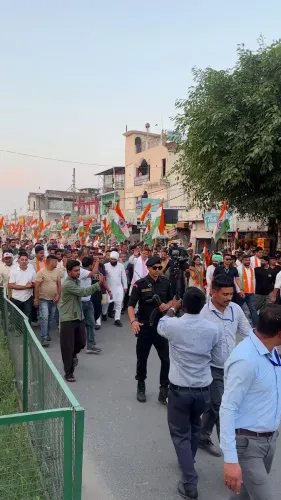
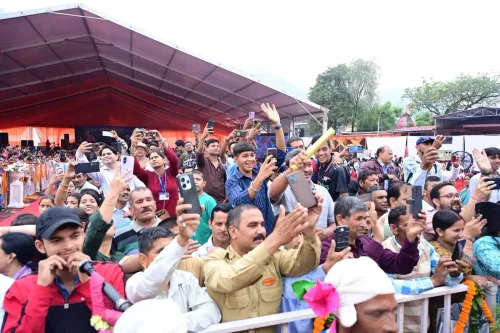
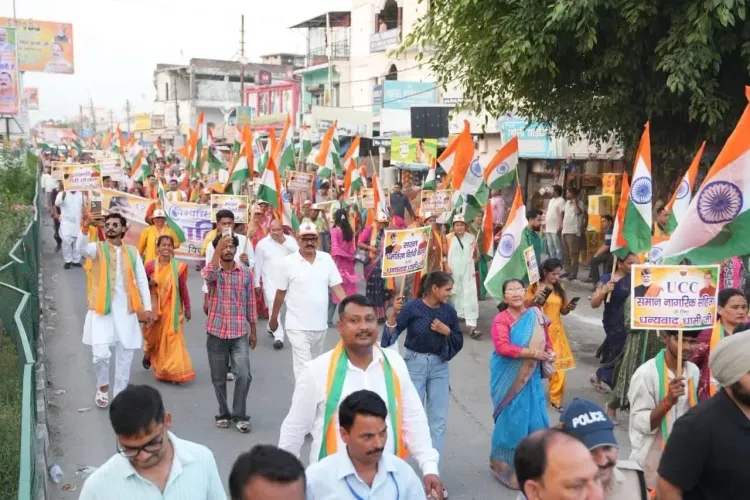
Uttarakhand Chief Minister Pushkar Singh Dhami on Sunday, 14 June 2026, pointed to large public gatherings during a yatra as evidence of sustained popular endorsement for the BJP's double-engine government model, crediting Prime Minister Narendra Modi's leadership for welfare delivery and development work in the state.
Context
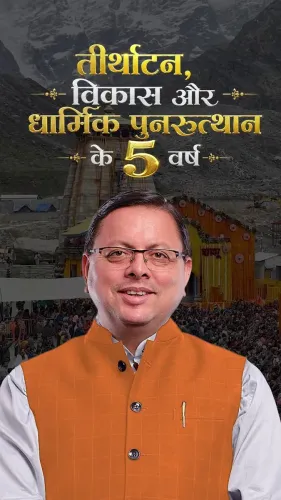
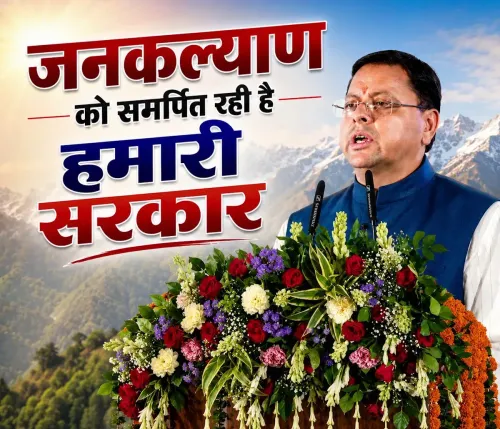
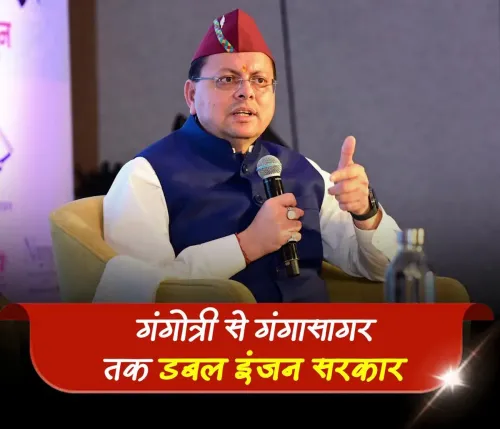
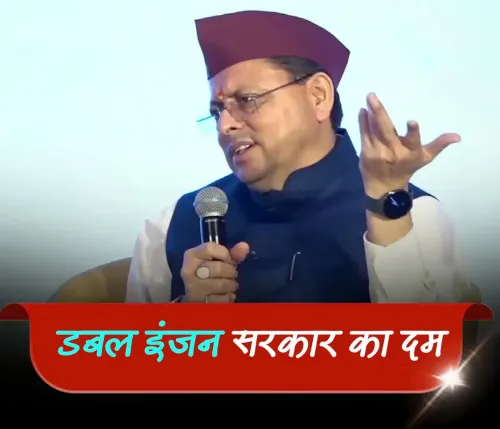
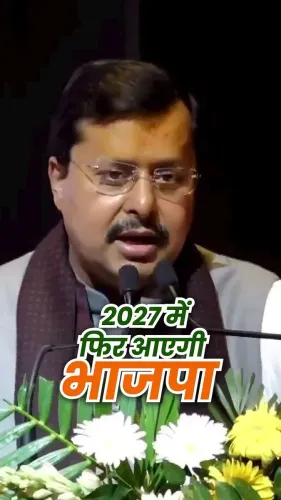
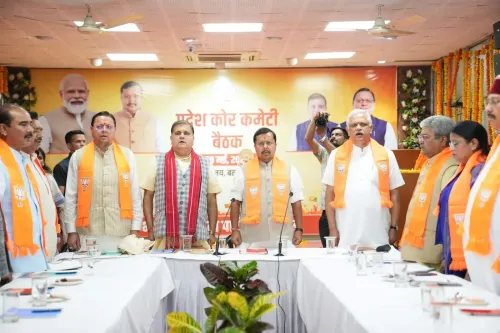
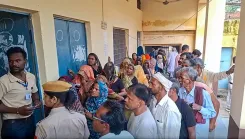
Posting on X in Hindi, CM Dhami wrote that the presence of large numbers of devtulya janta (godlike people) during the yatra 'clearly demonstrates that the public welfare policies, development works and good governance of the double-engine government, operating under the able leadership of respected Prime Minister Shri Narendra Modi ji, are receiving their continuous support and blessings.' The post was accompanied by four images from the event.
The yatra referenced in the post has not been independently confirmed in the public record, but the broader framing aligns with a well-established BJP communication pattern used during leader visits and public outreach programmes across states where the party holds both central and state power.
Policy Backdrop
The 'double-engine government' concept has been a central pillar of BJP electoral and governance messaging since the party's 2014 Lok Sabha victory. The argument holds that states governed by the BJP benefit from seamless coordination with the Union government, accelerating the delivery of central schemes on housing, roads, and direct benefit transfers.
Uttarakhand has been governed by the BJP since 2017, with CM Dhami taking office in 2021 and leading the party to re-election in 2022. His administration has consistently emphasised the implementation of centrally sponsored schemes as a marker of this coordinated governance model.
Stakeholders and Impact
The primary audience for this messaging is Uttarakhand's resident population, who are both the beneficiaries of welfare programmes and the electorate the BJP seeks to consolidate. By framing public attendance at a yatra as a political endorsement, the party links grassroots religious or cultural participation with approval of government policy.
The statement reinforces the narrative that development outcomes — not just electoral mandates — are receiving ongoing popular validation, a framing that serves both governance communication and long-term electoral positioning ahead of the 2027 Uttarakhand assembly elections.
What's Next
With Uttarakhand assembly elections due in 2027, the BJP is expected to intensify outreach around the delivery of central schemes in the state. New phases of flagship Union government programmes are anticipated to roll out across BJP-governed states, and CM Dhami is likely to continue anchoring his public communications around the double-engine governance narrative as the election cycle approaches.
Point of View
A move that blurs the line between governance delivery and electoral messaging. With the 2027 Uttarakhand assembly elections on the horizon, this framing serves a dual purpose: it reinforces the party's development credentials while pre-emptively building a mandate story. The consistency of this communication template across BJP-governed states suggests a coordinated national strategy rather than a spontaneous local response. Whether voters ultimately distinguish between yatra attendance and policy approval will be a key variable in the 2027 contest.
NationPress
15 Sept 2026
Frequently Asked Questions
What did CM Pushkar Singh Dhami say about the double-engine government?
CM Dhami said that large public turnout during a yatra clearly demonstrates that residents are continuously supporting and blessing the welfare policies, development works, and good governance of the double-engine government run under PM Narendra Modi's leadership.
What is the double-engine government concept in BJP politics?
The double-engine government concept refers to the BJP's argument that states governed by the party benefit from seamless coordination with the Union government, enabling faster delivery of central welfare schemes and infrastructure projects. The term has been in use since the party's 2014 Lok Sabha victory.
When are the next Uttarakhand assembly elections?
Uttarakhand assembly elections are due in 2027. The BJP, which has governed the state since 2017, is expected to contest on its development and double-engine governance record.
How long has Pushkar Singh Dhami been Chief Minister of Uttarakhand?
Pushkar Singh Dhami first became Chief Minister of Uttarakhand in 2021 and led the BJP to re-election in the 2022 state assembly elections, continuing in office since then.
What central welfare schemes has Uttarakhand implemented under BJP rule?
Under BJP governance at both the state and central level, Uttarakhand has implemented multiple Union government schemes covering housing, road construction, and direct benefit transfers, which the party cites as evidence of effective double-engine coordination.