CM Dhami Orders Digital Classrooms in All SC/ST Hostels
Synopsis
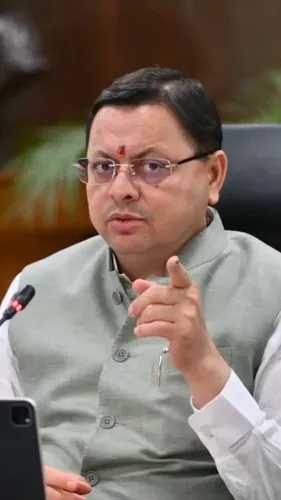
Chief Minister Pushkar Singh Dhami has directed the installation of digital classroom-cum-library-cum-reading-room facilities in all Scheduled Caste and Scheduled Tribe government hostels across Uttarakhand, aiming to bridge the digital divide for marginalised students.
Key Takeaways
CM Pushkar Singh Dhami has directed digital classroom-cum-library-cum-reading-room units to be set up in all SC and ST hostels in Uttarakhand .
The initiative combines digital instruction, library access, and reading-room functions in a single space to suit constrained hostel infrastructure.
Uttarakhand's Social Welfare Department already operates a network of separate SC and ST residential hostels across the state.
The move aligns with India's post- 2020 national push to bridge the digital divide in welfare hostels for marginalised communities.
Budget allocation, vendor selection, and rollout timelines are yet to be formally announced.
Every government hostel housing Scheduled Caste and Scheduled Tribe students in Uttarakhand is set to get a combined digital classroom, library, and reading room — a directive that arrives directly from Chief Minister Pushkar Singh Dhami and signals a concrete push to wire marginalised students into the digital economy.
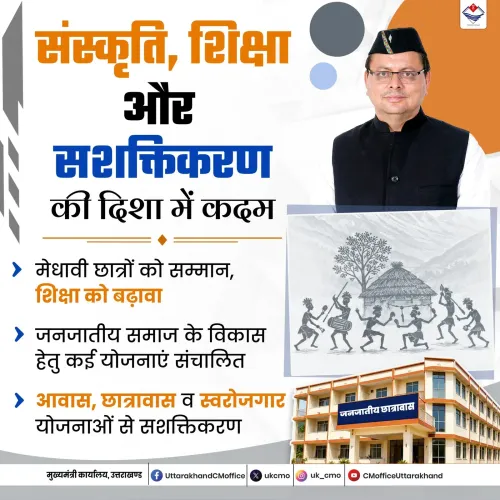
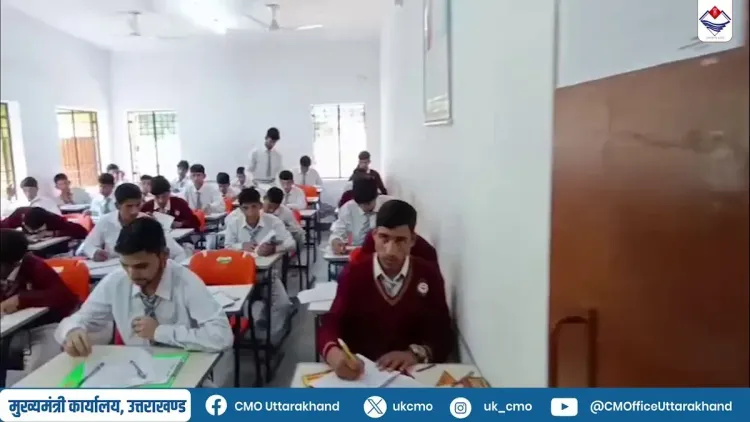
The Chief Minister's Office of Uttarakhand announced on Thursday, 29 October 2026 that 'सभी अनुसूचित जाति और जनजातीय छात्रावासों में डिजिटल क्लासरूम कम लाइब्रेरी कम रीडिंग रूम स्थापित किए जाएंगे' — meaning digital classroom-cum-library-cum-reading-room facilities will be set up in all SC and ST hostels across the state, acting on CM Dhami's personal directions.
What the Combined Facility Actually Means
The 'digital classroom-cum-library-cum-reading-room' format is a deliberate space-efficiency choice. Government hostels in Uttarakhand's hilly districts typically have constrained infrastructure, so merging three functions — live or recorded digital instruction, reference books, and quiet study space — into a single room maximises impact per square foot. It is a model several Indian states have adopted in post-2020 residential welfare hostels to recover learning loss and expand access beyond physical textbooks.
Uttarakhand's Social Welfare Department has administered separate SC and ST hostels for years, providing subsidised residential education for students from communities that face significant geographic and economic barriers in the state's mountainous terrain. Adding digital infrastructure to this existing network rather than building parallel structures is the faster, cheaper route — and the one Dhami's office has chosen.
The Bigger Bridge-the-Gap Drive
India's national policy push since 2020 has consistently flagged the digital divide in residential welfare hostels as an urgent gap. SC and ST students in state-run hostels often study in conditions that make competitive exam preparation or skill acquisition significantly harder than for peers in urban private institutions. A dedicated digital learning space — with reliable connectivity and library access — directly addresses that structural disadvantage.
The specifics that will determine real-world impact — budget allocation, vendor selection, and a phased rollout timeline from the state's education or social welfare department — are yet to be made public. Those details will reveal whether this is a swift, funded execution or a longer rollout.
For now, the directive is clear: Uttarakhand's most vulnerable student residents are getting a seat at the digital table — and the clock is running.
Point of View
Where tribal and SC populations are dispersed across difficult terrain, hostel-linked digital hubs are among the few scalable delivery points the state can actually reach. The real test, however, is execution: post-announcement follow-through on digital education promises in hilly states has historically been uneven, with connectivity and maintenance gaps undermining intent. The absence of a published budget or timeline is the detail analysts will watch most closely.
NationPress
29 Oct 2026
Frequently Asked Questions
What has CM Pushkar Singh Dhami announced for SC and ST students in Uttarakhand?
CM Dhami has directed that digital classroom-cum-library-cum-reading-room facilities be established in all Scheduled Caste and Scheduled Tribe government hostels across Uttarakhand.
Which department manages SC and ST hostels in Uttarakhand?
Uttarakhand's Social Welfare Department administers the network of separate SC and ST residential hostels across the state.
Why are digital classrooms being combined with libraries and reading rooms in hostels?
Government hostels, particularly in Uttarakhand's hilly regions, have limited space. Combining digital instruction, library access, and study areas into one room maximises utility within existing infrastructure.
When will the digital facilities in SC/ST hostels be ready?
No specific rollout timeline has been announced yet. The state's education or social welfare department is expected to release details on budget, phasing, and vendor selection.
How does this initiative fit India's broader education policy?
It aligns with India's post-2020 national push to bridge the digital divide in residential welfare hostels for Scheduled Caste and Scheduled Tribe students, a priority that gained momentum after the disruptions to in-person learning.