CM Dhami pledges to bring Tharu community into development mainstream
Synopsis
Uttarakhand CM Pushkar Singh Dhami on 1 August 2026 committed to mainstreaming every Tharu tribal family through education, health, employment, and infrastructure, with a specific focus on youth self-reliance and women's empowerment.
Key Takeaways
CM Pushkar Singh Dhami posted on 1 August 2026 pledging to connect every Tharu community family to the development mainstream.
The Tharu are a Scheduled Tribe concentrated in Uttarakhand's Terai districts — Udham Singh Nagar and Nainital .
Dhami's stated focus areas are education, health, employment, and basic infrastructure for tribal families.
Special emphasis was placed on empowering Tharu daughters to be educated, self-reliant, and independent.
The pledge aligns with the central government's Vanbandhu Kalyan Yojana (launched 2014 ) for accelerated tribal area development.
Observers will watch whether the next Uttarakhand assembly session translates the commitment into specific budgetary allocations for Tharu-dominated blocks.
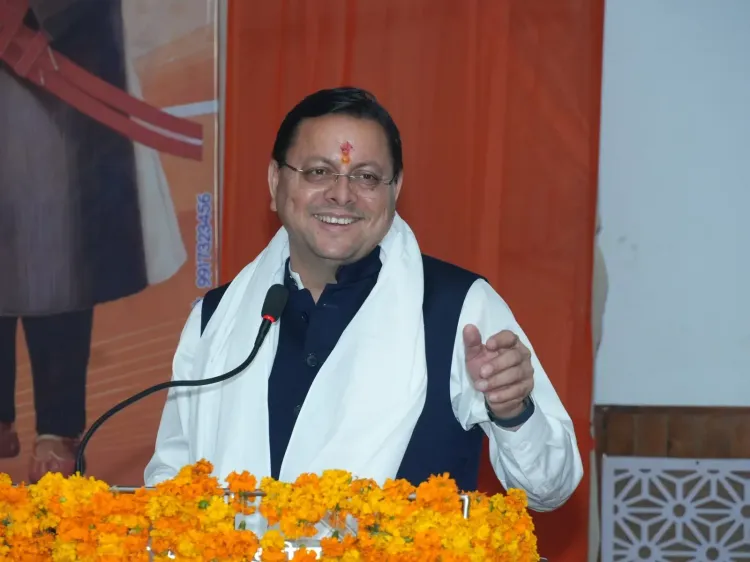
Every Tharu family connected to education, every young person made self-reliant, every daughter empowered — Uttarakhand Chief Minister Pushkar Singh Dhami laid out that compact on Saturday, 1 August 2026, in a post that puts the state's tribal welfare agenda squarely in the spotlight.
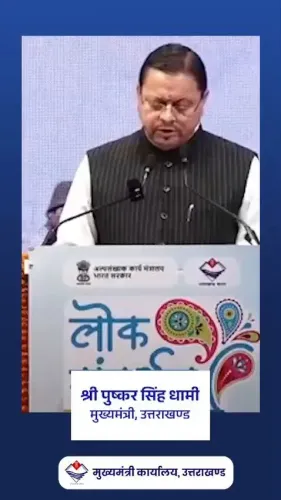
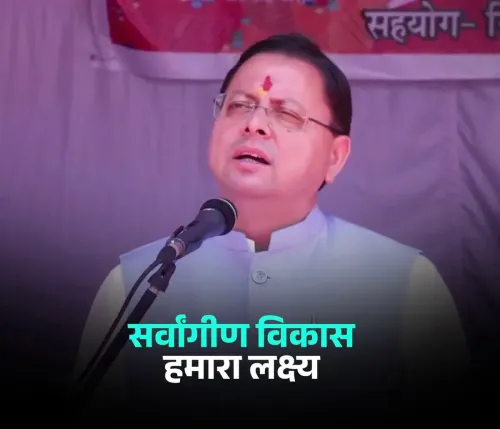
Posting in Hindi, CM Dhami wrote: 'हमारा संकल्प थारू समाज के प्रत्येक परिवार को विकास की मुख्यधारा से जोड़ना है' — 'Our resolve is to connect every family of the Tharu community to the mainstream of development, so that every young person becomes self-reliant and every daughter is educated, empowered, and independent.' He added that work is continuously being done toward the social and economic empowerment of the tribal community through education, health, employment, and better basic infrastructure.
Who the Tharu are — and why Uttarakhand's Terai is the front line
The Tharu community is a Scheduled Tribe concentrated in the Terai districts of Uttarakhand — principally Udham Singh Nagar and Nainital — a lowland belt that sits far from the hill-state's tourist and administrative heartland. Historically agrarian and forest-dependent, Tharu families have faced structural gaps in formal education access, institutional healthcare, and salaried employment. Their geographic distance from state capitals has often meant that welfare schemes designed in Dehradun arrive late or incompletely.
Constitutional protections under Article 342 and the Fifth Schedule have long guaranteed tribal welfare measures on paper. In practice, closing the gap between entitlement and delivery has been the persistent challenge for successive state governments.
The national policy frame Dhami is plugging into
The statement lands within a well-established BJP policy architecture. The Vanbandhu Kalyan Yojana, launched by the central government in 2014, was designed precisely to accelerate development in tribal areas across states — channelling funds toward infrastructure, livelihoods, and education in Scheduled Tribe-dominated blocks. Uttarakhand has been among the states plugged into that framework, and Dhami's government has consistently framed its tribal outreach as an extension of that national push.
The explicit emphasis on daughters — educated, empowered, swavalambi (self-reliant) — also echoes the BJP's broader 'Beti Bachao, Beti Padhao' framing, applying it with tribal-specific urgency to a community where girls' school retention and economic participation remain areas of active concern.
What the pledge signals for Uttarakhand's next assembly session
Words from a Chief Minister's official account carry legislative weight — they set expectations that opposition benches and community leaders will hold up against budget allocations. The signal to watch is whether the next Uttarakhand assembly session produces new district-level schemes or enhanced budgetary provisions specifically for Tharu-dominated blocks in the Terai. A stated 'resolve' without a rupee figure attached remains aspirational; the test is in the line items.
For now, Dhami has placed the Tharu community at the centre of Uttarakhand's development conversation — and that framing itself is a political commitment with a paper trail.
Point of View
The CM is layering a gender-empowerment signal onto a standard welfare message, widening the appeal. The real test of intent will come in budget allocations and scheme roll-outs at the block level, where the gap between Dehradun's declarations and Terai's ground reality has historically been widest. If concrete district-level provisions follow in the next assembly session, this post becomes a policy anchor; if they don't, it remains political messaging.
NationPress
16 Sept 2026
Frequently Asked Questions
Who are the Tharu people in Uttarakhand?
The Tharu are a Scheduled Tribe community living primarily in the Terai districts of Uttarakhand, especially Udham Singh Nagar and Nainital . They are historically agrarian, forest-dependent, and have faced gaps in access to formal education and institutional healthcare.
What did CM Dhami say about the Tharu community?
CM Pushkar Singh Dhami on 1 August 2026 pledged to connect every Tharu family to the development mainstream through education, health, employment, and better infrastructure, with a specific commitment to making Tharu daughters educated, empowered, and self-reliant.
What is the Vanbandhu Kalyan Yojana?
The Vanbandhu Kalyan Yojana is a central government scheme launched in 2014 to accelerate development in tribal areas across India, including Uttarakhand , by channelling funds toward infrastructure, livelihoods, and education in Scheduled Tribe-dominated regions.
What constitutional protections exist for Scheduled Tribes in India?
Article 342 of the Indian Constitution and the Fifth Schedule provide for the recognition and welfare of Scheduled Tribes, guaranteeing protective measures and special administrative provisions for tribal communities.
What should we watch for after Dhami's Tharu welfare pledge?
The key indicator will be whether the next Uttarakhand assembly session introduces new district-level schemes or increased budgetary allocations specifically for Tharu-dominated blocks in the Terai, translating the stated resolve into concrete policy action.