Harsh Sanghavi: Different opinions strengthen democracy
Synopsis
Gujarat Deputy CM Harsh Sanghavi used a religious gathering in Vadodara to warn that disagreements, especially on social media, are turning into insults and personal hostility. Citing the Jain Anekant philosophy, he said differing views strengthen democracy, but 'there should be no differences of heart'.
Key Takeaways
Harsh Sanghavi spoke at the inauguration of Rushabhyaan 3.0 at Navlakhi Ground, Vadodara , on 27 November 2026 .
He said different opinions strengthen democracy but should not turn into personal resentment.
He described Dandaniti as a system for maintaining justice and order, not merely the imposition of punishment.
He cited the three new criminal laws as an effort to move away from India's colonial legal legacy.
He inaugurated four centres, including the Rishabh Kaushal Kendra , and released a book on Rushabhyaan 2.0 , held in Mumbai in 2025 .
He later visited Kawant in Chhota Udepur and paid tribute to Dr Ambedkar at Nasvadi .
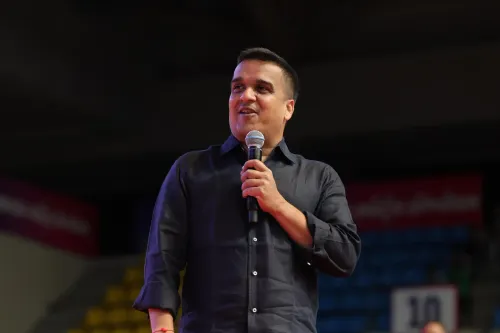
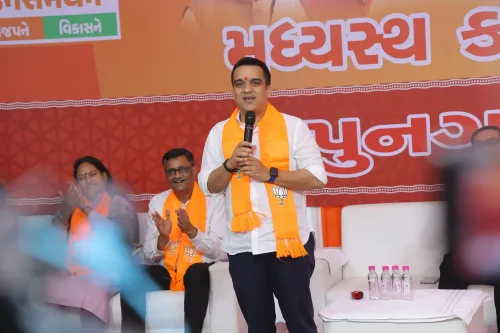
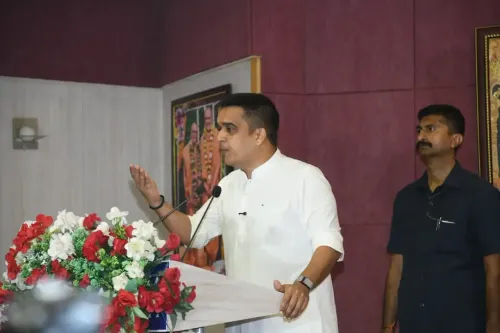
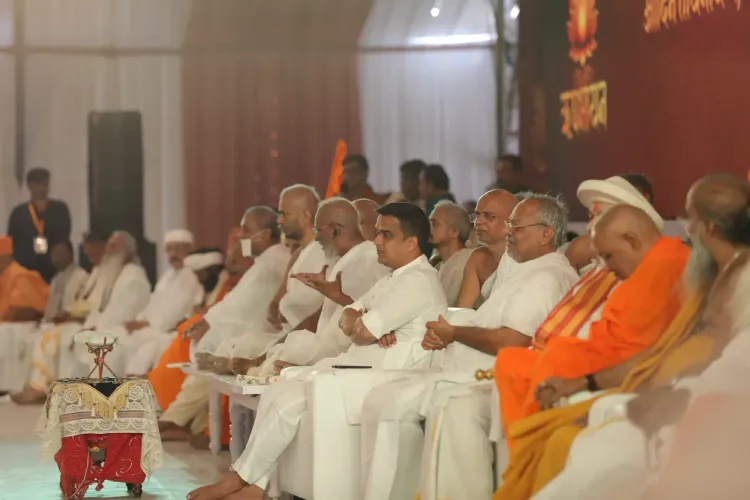
Gujarat Deputy Chief Minister Harsh Sanghavi on Friday, 27 November 2026, said that differences of opinion are a strength of democracy and a long tradition of Indian thought, but should never turn into personal resentment. He was speaking at the inauguration of 'Rushabhyaan 3.0' and the Sarvadharma Sant Samagam at Navlakhi Ground in Vadodara, where he called for mutual respect and open dialogue.
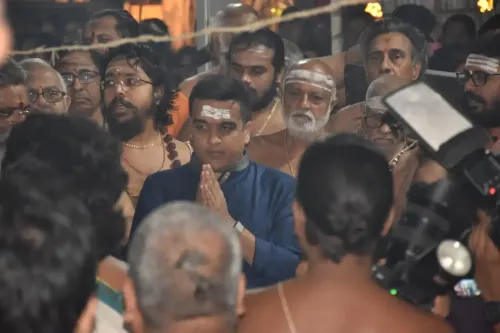
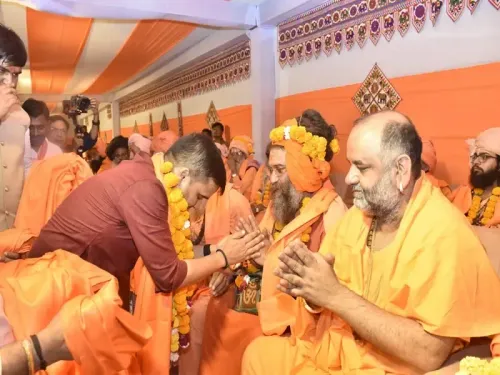
The event was organised by the Labdhi Vikram Janseva Trust. Saints and Mahants from across India and abroad attended, and Sanghavi paid his respects to the religious leaders and sought their blessings.
Anekant Philosophy and the Social Media Debate
Sanghavi said India's religious and philosophical traditions have encouraged questioning, reasoning and dialogue, rather than limiting religion to rules and prohibitions. He cited the Anekant philosophy, which stresses understanding truth from different perspectives.
He said disagreements in today's society, particularly on social media, often turn into allegations, insults and personal hostility. “Different opinions are the strength of democracy and the tradition of knowledge, but there should be no differences of heart,” he said. He stressed the importance of listening to opposing viewpoints, respecting others and keeping channels of dialogue open.
Dandaniti and the Three New Criminal Laws
This year's theme was 'Dandaniti and the Foundational Principles of Indian Culture'. Sanghavi said: “Dandaniti should not be understood merely as the imposition of punishment but as a system for maintaining justice and order in society.”
He distinguished between offences committed unintentionally and those committed deliberately or repeatedly. “A strict approach was necessary towards habitual offenders to ensure public safety and social order,” he said.
Sanghavi also referred to the three new criminal laws introduced under Prime Minister Narendra Modi and Union Home Minister Amit Shah. These are the Bharatiya Nyaya Sanhita, the Bharatiya Nagarik Suraksha Sanhita and the Bharatiya Sakshya Adhiniyam. “The legislation represented an effort to move India's criminal justice system away from its colonial legacy and make it more aligned with Indian values and a citizen-centric approach,” he said.
The three laws replaced the Indian Penal Code, the Code of Criminal Procedure and the Indian Evidence Act. The Centre has consistently presented the overhaul as a break from colonial-era jurisprudence.
Vadodara's Heritage and the Rushabhyaan Initiative
Sanghavi described Lord Rishabhdev as the first king and teacher of human civilisation. He recalled Rishabhdev's role in organising human life through agriculture, writing, art and various skills.
He noted that the Rushabhyaan initiative began in 2024 and has grown each year. He congratulated the trust's trustees and members on hosting the third edition in Vadodara.
Sanghavi recalled Vadodara's links with education, art and culture under Maharaja Sayajirao Gaekwad. He said the city also has a historical connection with English translations of scriptures relating to Lord Rishabhdev, which made it a fitting host for the event.
He called Vadodara an example of 'Vikas bhi, Virasat bhi', meaning development along with heritage. He pointed to the city's cultural legacy and to the manufacture of C-295 aircraft there under the 'Make in India' initiative.
Inaugurations and Tribal Belt Visit
Before his address, Sanghavi opened four facilities to the public:
- the Rishabh Kaushal Kendra
- the Kala Kendra
- the Commercial Arts Centre
- the Agricultural Arts Centre
He also released a book documenting Rushabhyaan 2.0, which was held in Mumbai in 2025.
In a separate programme in the tribal belt, Sanghavi received a traditional welcome at Kawant in Chhota Udepur district. Tribal performers presented Gheraiya, Timli and Ram Dhol folk dances.
He also paid floral tributes to the statue of Dr Babasaheb Ambedkar at Nasvadi Junction, where the gathering greeted him with slogans of 'Bharat Mata Ki Jai' and 'Vande Mataram'.
With the Rushabhyaan series now in its third year, the organisers are expected to take the initiative to new cities in coming editions.
Point of View
But it sits uneasily beside his own stress on strictness and punishment for habitual offenders. This is the line where critics of the new criminal laws have raised concerns about expanded police powers. Calls for dialogue on social media ring hollow unless political leaders across parties, including his own, model that restraint online. As Gujarat's Home portfolio holder, his larger test is whether 'citizen-centric' policing becomes visible on the ground in the state, beyond the language of speeches.
NationPress
27 Nov 2026
Frequently Asked Questions
What did Harsh Sanghavi say about differences of opinion?
Gujarat Deputy CM Harsh Sanghavi said different opinions are the strength of democracy and of India's tradition of knowledge, but there should be no 'differences of heart'. He urged people to listen to opposing views and keep dialogue open.
What is Rushabhyaan 3.0?
Rushabhyaan 3.0 is the third edition of an initiative linked to Lord Rishabhdev, organised by the Labdhi Vikram Janseva Trust at Navlakhi Ground in Vadodara. The initiative began in 2024, and its second edition was held in Mumbai in 2025.
What was the theme of Rushabhyaan 3.0?
This year's theme was 'Dandaniti and the Foundational Principles of Indian Culture'. Sanghavi said Dandaniti should be seen as a system for maintaining justice and order, not merely as punishment.
What did Sanghavi say about the new criminal laws?
He said the Bharatiya Nyaya Sanhita, the Bharatiya Nagarik Suraksha Sanhita and the Bharatiya Sakshya Adhiniyam aim to move India's criminal justice system away from its colonial legacy. He added that the laws are meant to be more aligned with Indian values and a citizen-centric approach.
Which facilities did Sanghavi inaugurate in Vadodara?
He inaugurated the Rishabh Kaushal Kendra, the Kala Kendra, the Commercial Arts Centre and the Agricultural Arts Centre, opening them to the public.