Digvijaya Singh: 'Hindutva spreads hatred, not Hindu; BJP's religion not Sanatan Dharma'
Synopsis
Digvijaya Singh's 'Satya Sanatan Swabhiman Yatra' is a direct challenge to BJP on its own ideological ground — with the Congress veteran invoking Savarkar's own words to argue that Hindutva and Sanatan Dharma are not the same thing. Fellow Congress leader Udit Raj amplified the attack by questioning the contributions of Hindus in the freedom struggle, virtually guaranteeing a sharp BJP counter-offensive.
Key Takeaways
Digvijaya Singh claimed on 6 November 2026 that Hindutva spreads hatred and has no connection with Sanatan Dharma or Hinduism.
He made the remarks in Guna, Madhya Pradesh , during his 'Satya Sanatan Swabhiman Yatra' from Ujjain to Ayodhya.
Singh alleged the BJP began invoking Sanatan Dharma only after he raised the issue, asserting the party's ideology is rooted in Hindutva, not Sanatan.
Congress leader Udit Raj cited Savarkar's own definition of Hindutva to argue it creates distinctions between citizens based on religion.
Raj claimed around 61,000 Muslims and nearly 8,000 Sikhs gave their lives in India's freedom struggle, while questioning the BJP-RSS's historical narrative.
The RSS and VHP had not issued a formal response at the time of reporting.
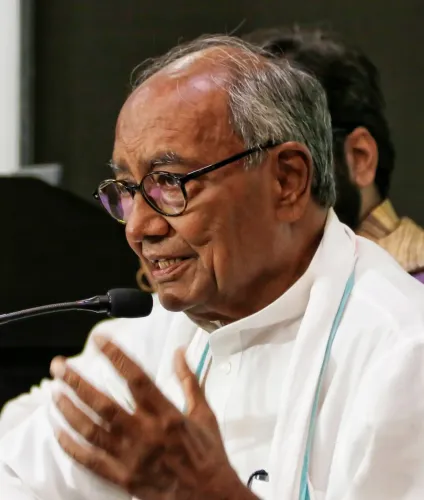
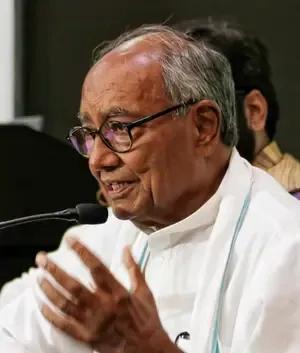
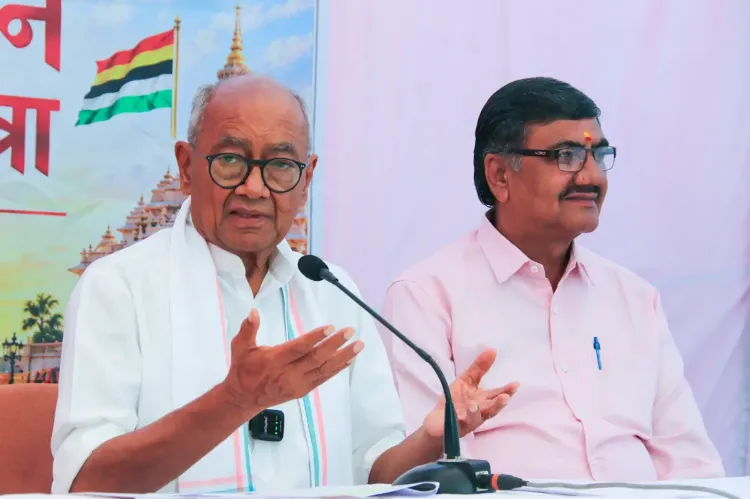
Congress leader Digvijaya Singh on Friday, 6 November launched a pointed attack on the Bharatiya Janata Party (BJP) over its interpretation of Hindutva, asserting that the ideology promotes hatred rather than Hinduism and bears no connection with Sanatan Dharma. The remarks, made during a media interaction in Guna district, Madhya Pradesh, have reignited a charged political debate over the meaning and ownership of Hindu identity in Indian politics.
What Digvijaya Singh Said
Singh, who is undertaking his 'Satya Sanatan Swabhiman Yatra' — a journey from Ujjain in Madhya Pradesh to Ayodhya in Uttar Pradesh — drew a sharp ideological line between Hindutva and Sanatan Dharma. 'They (BJP) started talking about Sanatan Dharma only after I raised this topic of Sanatan Dharma. Their religion is Hindutva, not Sanatan. Hindutva spreads hatred, not Hindu. Savarkar himself said that Hindutva has no connection with religion,' Singh said.
He further argued that Sanatan Dharma, in its true form, stands for respecting all religions and working for the welfare of the entire world — a characterisation he contrasted with what he described as the exclusionary ideology of organisations such as the Rashtriya Swayamsevak Sangh (RSS) and the Vishva Hindu Parishad (VHP).
Udit Raj Invokes Savarkar's Own Definition
Congress leader Udit Raj also weighed in, invoking the foundational definition of Hindutva by Vinayak Damodar Savarkar to question the ideology's social implications. 'Hindutva was first defined by Savarkar, and it spoke about 'Punyabhoomi' (sacred land) and 'Janmabhoomi' (birthplace). This creates a distinction between human beings. For instance, it is assumed that Muslims and Christians have a birthplace but not a sacred land in India,' Raj said.
Raj also cited the sacrifices made by different communities during India's freedom struggle, claiming that around 61,000 Muslims and nearly 8,000 Sikhs had laid down their lives, while alleging that Hindus had made almost no comparable contribution — a claim that is likely to draw strong counterclaims from BJP and RSS leaders. 'This is not Hindutva; this is about dividing people. Who is a Hindu here? I do not think there is even a single person here who is a Hindu,' Raj said.
The Broader Political Context
The Congress has increasingly sought to position itself as a defender of a 'genuine' Hindu or Sanatan Dharma tradition, distinct from what it characterises as the political Hindutva of the BJP and the Sangh Parivar. This comes amid a sustained BJP effort to consolidate its Hindu voter base ahead of several state elections. Notably, Digvijaya Singh's yatra — framed explicitly around Sanatan identity — represents a tactical attempt by the Congress to contest the BJP on what has traditionally been the saffron party's home turf.
The RSS and the VHP have not yet issued a formal response to Singh's latest remarks, though BJP leaders have in the past rejected Congress critiques of Hindutva as politically motivated and ignorant of the ideology's philosophical foundations.
What Happens Next
Digvijaya Singh's yatra is expected to continue toward Ayodhya, with each leg likely generating further political statements. The Congress-BJP contestation over Hindu identity is set to intensify as the party prepares its messaging for upcoming electoral cycles. The debate also arrives at a moment when several Opposition leaders have been recalibrating their approach to religious identity politics, signalling that this ideological fault line will remain central to national discourse.
Point of View
The Congress is attempting to strip the BJP of its assumed monopoly on Hindu identity. The strategic use of Savarkar's own words is particularly pointed: it turns the ideological founder of Hindutva into a witness against the BJP's current positioning. However, the Congress faces a credibility gap on this terrain; its record of engaging with Hindu religious sentiment has been inconsistent, and voters may read the yatra as opportunistic rather than sincere. The more explosive contribution came from Udit Raj, whose claims about the freedom struggle invite vigorous factual contestation and risk overshadowing the more nuanced philosophical argument Singh was making.
NationPress
6 Nov 2026
Frequently Asked Questions
What did Digvijaya Singh say about Hindutva and Sanatan Dharma?
Digvijaya Singh said that Hindutva promotes hatred and has no connection with Sanatan Dharma or Hinduism, arguing that Savarkar himself stated Hindutva has no link with religion. He made these remarks on 6 November during his Satya Sanatan Swabhiman Yatra in Guna, Madhya Pradesh.
What is Digvijaya Singh's Satya Sanatan Swabhiman Yatra?
It is a journey being undertaken by Congress leader Digvijaya Singh from Ujjain in Madhya Pradesh to Ayodhya in Uttar Pradesh, framed around the philosophy of Sanatan Dharma. The yatra has become a platform for Singh to attack the BJP's ideological claims over Hindu identity.
What did Congress leader Udit Raj allege about the freedom struggle?
Udit Raj claimed that around 61,000 Muslims and nearly 8,000 Sikhs gave their lives in India's freedom struggle, while alleging that Hindus made almost no comparable contribution. He used this to question the BJP and RSS's narrative around Hindutva and national identity.
How has the BJP responded to Digvijaya Singh's remarks?
The RSS and VHP had not formally responded to Singh's latest remarks at the time of reporting. BJP leaders have previously rejected Congress critiques of Hindutva as politically motivated and have denied that the ideology is divisive or disconnected from Hindu philosophy.
Why is the Hindutva versus Sanatan Dharma debate significant in 2026?
The debate matters because it reflects a broader Congress strategy to contest the BJP on Hindu identity ahead of upcoming elections. By arguing that Hindutva and Sanatan Dharma are distinct, the Congress is attempting to reframe the ideological conversation and attract Hindu voters who identify with a more inclusive religious tradition.