Why Did BJP, Shiv Sena (UBT), and RJD Support India's Decision on Diplomat Families in Bangladesh?
Synopsis
In a significant development, leaders from major political parties including BJP, Shiv Sena (UBT), and RJD have expressed their support for India's decision to withdraw diplomats' families from Bangladesh amidst rising security concerns. This move highlights the growing tensions in the region and the need for safeguarding Indian interests as elections loom.
Key Takeaways
India has decided to withdraw families of diplomats from Bangladesh due to security concerns.
Political leaders view this decision as essential for safeguarding Indian interests.
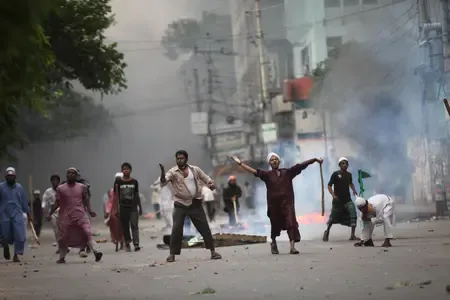
Increasing violence against minorities has raised alarms about safety in Bangladesh.
Heightened tensions are observed ahead of Bangladesh’s elections.
Ongoing dialogue between India and Bangladesh remains crucial.
New Delhi, Jan 21 (NationPress) Following India's decision to repatriate the families and dependents of Indian officials stationed in Bangladesh due to escalating security threats from extremist groups, leaders from the BJP, Shiv Sena (UBT), and the Rashtriya Janata Dal (RJD) voiced their approval of the action.
This move comes just weeks before the parliamentary elections in Bangladesh, which are set against a backdrop of increasing political turmoil and reports of violence against minority communities.
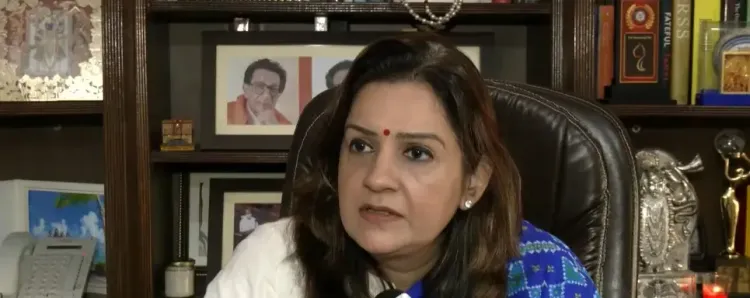
In an interview with IANS, Shiv Sena (UBT) MP Priyanka Chaturvedi emphasized the necessity of this decision, citing the deteriorating law and order situation in Bangladesh. She stated, “Given the prevalence of targeted killings and mob lynchings, along with the looming threats to the Hindu minority, it was crucial to ensure the safety of our diplomats and their families.”
Chaturvedi also highlighted the rising anti-India sentiments in Bangladesh, asserting, “A troubling narrative appears to be orchestrated, potentially influenced by Pakistan, as the elections approach. It is vital to safeguard our diplomats amidst these circumstances. We aspire for free and fair elections in Bangladesh and a return to democracy. However, the current situation necessitates the withdrawal of families.”
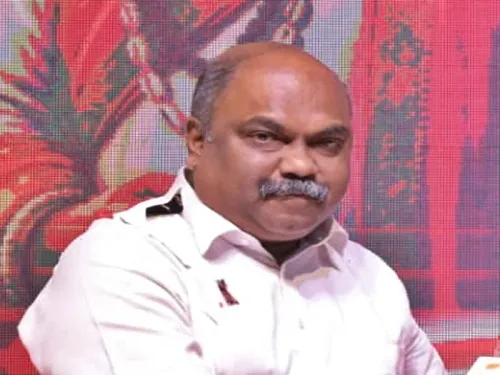
Uttar Pradesh Minister Sanjay Nishad expressed his support for the government's decision, underscoring that India will proceed with caution and responsibility. He remarked, “Historically, India and Bangladesh have enjoyed amicable relations, but adverse leadership can transform friendly nations into adversaries. While India played a pivotal role in Bangladesh’s formation, the current hostility towards us is unacceptable. India will deliberate carefully on any necessary actions.”
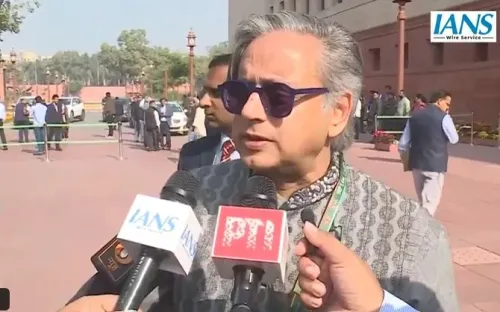
RJD MP Manoj Kumar Jha articulated that developments in Bangladesh should have been foreseen. “India has been slow to perceive the evolving situation in Bangladesh, whether during or after Sheikh Hasina’s leadership. It’s essential to recognize that challenges persist in our neighboring country. The geopolitical landscape of South Asia demands ongoing dialogue,” he commented.
Addressing the concerning visuals emerging from Bangladesh, Jha added, “The recent images are alarming and pose risks. In this context, the decision to withdraw families for their security is justified.”
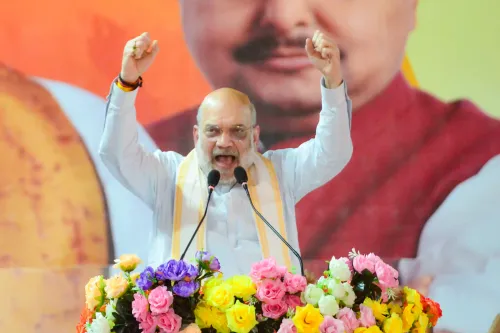
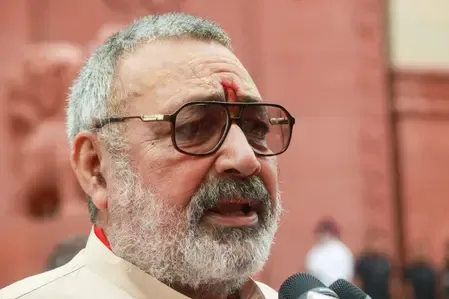
BJP spokesperson Pratul Shah Deo raised alarms about the violence intensifying ahead of Bangladesh’s general elections, stating, “The incidents occurring in Bangladesh reveal a disturbing trend. Sanatanis and Hindus are increasingly targeted by extremist factions. This climate appears to be engineered to polarize voters and possibly delay elections. The Bangladesh government must regard the situation seriously.”
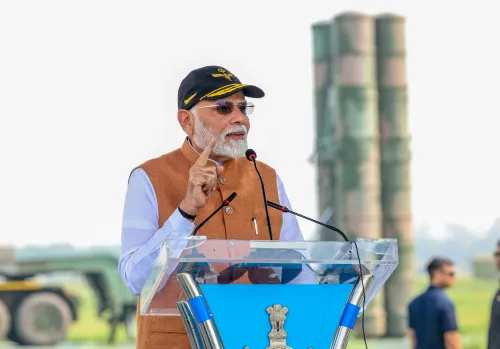
However, the Congress party cast doubt on the efficacy of the move. Congress media in-charge Rakesh Sinha questioned whether calling back the diplomat families would truly address the underlying problems. “Is merely recalling them a solution? Hindus are being killed in Bangladesh, while Prime Minister Narendra Modi frequently discusses infiltrators. What concrete actions have been taken? This issue requires serious attention from the Prime Minister,” Sinha asserted, suggesting that the government is distracted by domestic electoral politics.
As per sources, there remains uncertainty regarding the timeline for the withdrawal of Indian officials’ families, or whether their return will be temporary or permanent, depending on the evolving security landscape.
In addition to the Indian High Commission in Dhaka, India operates diplomatic offices in Chattogram, Khulna, Rajshahi, and Sylhet. In recent weeks, security at these missions has been heightened.
Relations between India and Bangladesh have been strained since the interim government led by Muhammad Yunus took office in 2024, following the collapse of the Sheikh Hasina regime. Both nations have increased security at their diplomatic missions amid ongoing protests and political instability.
Reports indicate that violence against Hindus and other minorities in Bangladesh has surged since the death of student leader Sharif Osman Hadi on December 12, further heightening concerns about the safety of minorities and foreign diplomatic staff in the region.
Point of View
It is crucial to recognize the delicate balance of diplomacy that India must maintain with Bangladesh. The decision to withdraw families highlights the seriousness of the situation in Bangladesh, yet it also stresses the need for ongoing dialogue to preserve historical ties. Regardless of political affiliations, the safety of individuals abroad is paramount.
NationPress
26 Sept 2026
Frequently Asked Questions
What prompted India to withdraw diplomats' families from Bangladesh?
The decision was made due to escalating security threats from extremist groups, particularly concerning the safety of minorities and Indian officials.
Which political leaders supported this move?
Prominent leaders from BJP, Shiv Sena (UBT), and RJD supported the decision, emphasizing the need for caution.
What are the current tensions in Bangladesh?
There are rising reports of violence against minorities, particularly ahead of the parliamentary elections, which have raised security concerns.
How does this affect India-Bangladesh relations?
The withdrawal underscores strains in relations but also highlights the importance of safeguarding diplomatic personnel amidst political turmoil.
What are the broader implications of this situation?
This situation emphasizes the need for continuous dialogue and monitoring of developments in Bangladesh to maintain historical ties.