DMK: A Champion of Social Justice, Not Anti-Hindu, Elangovan Responds to Fadnavis

Synopsis
In a fierce political exchange, DMK spokesperson T.K.S. Elangovan defends the party against accusations of being anti-Hindu by highlighting its founding principles of social justice for marginalized Hindus. The clash with Maharashtra CM Devendra Fadnavis intensifies as both parties stake their claims.
Key Takeaways
DMK's Foundation: Founded to uplift marginalized Hindus.
Historical Context: Rooted in the Dravidian movement against caste discrimination.
Rebuttal to Fadnavis: DMK is not anti-Hindu, but advocates for all Hindus.
Exclusion of Hindus: Majority of Hindus have faced historical discrimination.
Social Justice: DMK's policies aim to rectify inequalities in society.
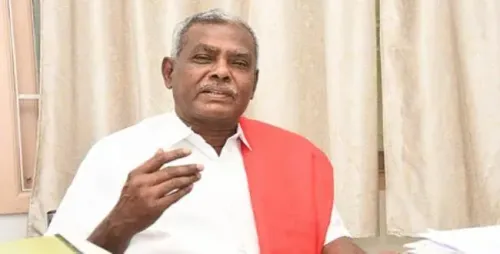
Chennai, April 6 (NationPress) The ongoing political clash between the Dravida Munnetra Kazhagam (DMK) and the Bharatiya Janata Party (BJP) has escalated as Maharashtra Chief Minister Devendra Fadnavis accused the Tamil Nadu government of being "anti-Sanatan" and "anti-Hindu". In response, DMK spokesperson T.K.S. Elangovan firmly rejected these claims, asserting that the DMK is the sole party in India established to advocate for the Hindus marginalized by the upper castes.
In an interview with IANS, Elangovan highlighted that the DMK was founded with the mission of uplifting the marginalized segments within Hindu society, especially those historically labeled as Shudras and Panchamas in the traditional caste system. He pointed out that the roots of the party are deeply intertwined with the Dravidian movement, which aimed to provide education, job opportunities, and dignity to oppressed communities.
"The DMK is the only political entity in India that was initiated for the benefit of Hindus who have been ignored by the upper castes. This movement was launched to ensure they receive education and employment. We are not against Hindus," Elangovan stated, countering the accusations.
He further argued that a vast majority of Hindus, who he estimates make up about 90 percent of the population according to the traditional caste structure, have historically endured exclusion and discrimination. Elangovan maintained that the DMK’s policies and actions have consistently aimed at rectifying these disparities.
Looking at history, the DMK leader reminded that practices of untouchability and social exclusion were rampant in Tamil Nadu around a century ago. "Dalits were barred from traveling on buses or accessing education. The Dravidian movement was initiated to alter this situation, ensuring equality and opportunities for all," he remarked.
Elangovan also dismissed the allegations of being anti-Hindu, flipping the narrative. "We are not anti-Hindus; we advocate for the welfare of Hindus. Those who dismiss the majority of Hindus as untouchables or inferior are genuinely the ones who are anti-Hindu," he added.
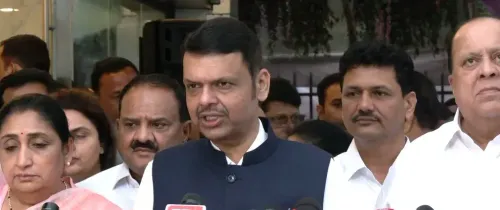
Earlier in the day, Fadnavis had criticized the DMK-led Tamil Nadu government for allegedly being 'anti-Sanatan' and 'anti-Hindu', claiming it engages in appeasement politics while neglecting Hindu traditions and values.
He further accused the state government of failing to comply with judicial directives and attempting to contest them in higher courts.
Point of View
The DMK’s stance is rooted in advocating for social justice within the Hindu community, challenging the narrative presented by the BJP. The discourse reflects broader tensions in Indian politics regarding caste, identity, and representation, emphasizing the need for inclusive dialogue.
NationPress
16 Oct 2026
Frequently Asked Questions
What is the main argument presented by T.K.S. Elangovan?
Elangovan argues that the DMK was founded to uplift marginalized Hindus and is not anti-Hindu, countering accusations made by Fadnavis.
How does Elangovan describe the historical context of the DMK?
He emphasizes that the DMK arose from the Dravidian movement, aimed at combating social exclusion and discrimination faced by lower castes.
What accusations did Devendra Fadnavis make against the DMK?
Fadnavis accused the Tamil Nadu government of being anti-Sanatan and anti-Hindu, claiming it disregards Hindu traditions.
What percentage of Hindus does Elangovan claim have faced discrimination?
He claims nearly 90 percent of Hindus, based on the traditional caste framework, have historically experienced exclusion.
What historical practices does Elangovan reference?
He refers to the prevalent practices of untouchability in Tamil Nadu about a century ago, which the Dravidian movement sought to eradicate.