Kerala pension doorstep delivery axed: Political storm erupts in Thiruvananthapuram

Synopsis
Kerala's new UDF government has scrapped doorstep pension delivery for most of its 62 lakh beneficiaries, triggering a fierce face-off with the LDF opposition. With 86 per cent of pension costs borne by the state and fraud cases already on record, the fight over cooperative-vs-DBT is really a proxy war over who controls Kerala's vast welfare machinery.
Key Takeaways
The Kerala government has ordered social welfare pensions to be routed via Aadhaar-linked DBT , ending doorstep delivery through cooperative societies.
The order covers 62 lakh beneficiaries; an exception exists only for bedridden pensioners.
Opposition leader Pinarayi Vijayan demanded immediate withdrawal, calling the move a threat to elderly, disabled, and unbanked beneficiaries.
Kerala funds nearly 86 per cent of pension expenditure from the state budget; the Centre contributes approximately one per cent of monthly outgo.
Two fraud cases — in Palakkad and Thalassery — involving CPI-M functionaries were cited by the ruling UDF to justify the policy shift.
Around 39 lakh of the 62 lakh beneficiaries already receive pensions via DBT, according to government supporters.
The Kerala government's decision to discontinue doorstep distribution of social welfare pensions through cooperative societies — and instead route payments directly into Aadhaar-linked bank accounts via Direct Benefit Transfer (DBT) — has ignited a sharp political confrontation in Thiruvananthapuram as of 7 August. The ruling United Democratic Front (UDF) has defended the move as a transparency measure, while the opposition Left Democratic Front (LDF) has accused the government of dismantling one of Kerala's most vital welfare safety nets.
What the Government Decided
Under the new order, pension payments for 62 lakh social welfare beneficiaries across Kerala will be credited directly to Aadhaar-linked bank accounts, bypassing the cooperative society network that previously handled physical delivery. The only exception, according to reports, is for bedridden beneficiaries, who will continue to receive doorstep service. The government has cited Central guidelines on DBT as the policy basis for the shift.
Opposition's Attack
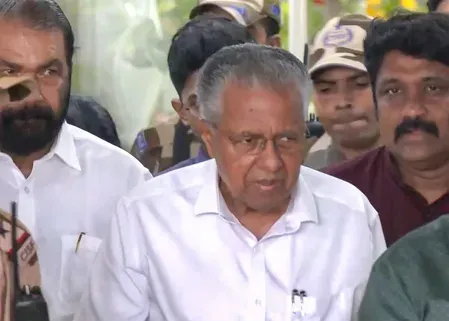
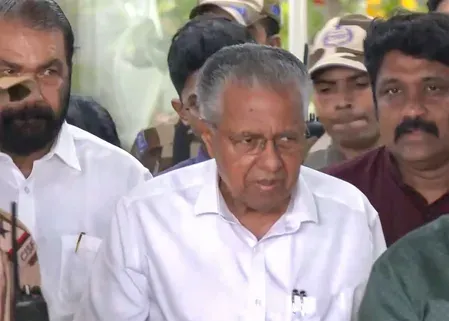
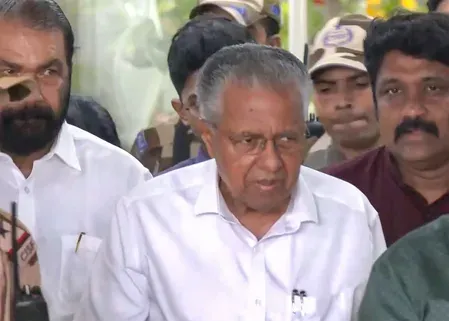
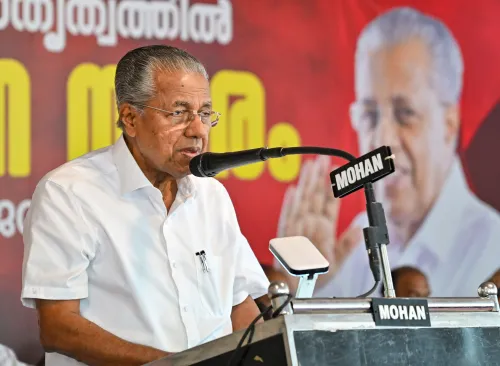
Leader of Opposition Pinarayi Vijayan launched a pointed assault on the V.D. Satheesan-led government, demanding the immediate rollback of the order. In a Facebook post, Vijayan alleged that ending doorstep delivery would disproportionately harm the poorest sections of society — particularly elderly citizens, persons with disabilities, and those outside the formal banking network. He described the move as 'the first step towards weakening the pension scheme itself.' Vijayan also argued that invoking Central DBT guidelines was a pretext, pointing out that Kerala funds nearly 86 per cent of its pension expenditure from the state exchequer, with the Centre contributing barely one per cent of the monthly outgo.
Ruling Front's Defence
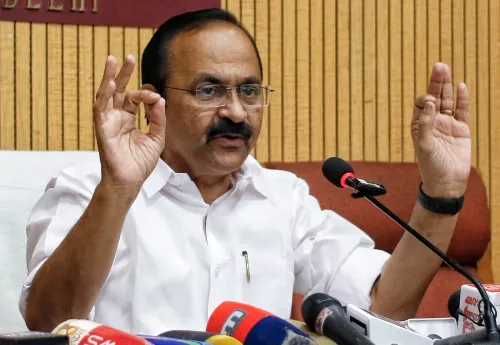
UDF leaders rejected the criticism, arguing that direct bank transfers would eliminate middlemen, curb fraud, and ensure beneficiaries receive funds without dependence on intermediaries. UDF leader B.R.M. Sherif said the cooperative distribution model had allowed CPI-M functionaries to project pension delivery as an act of political generosity while allegedly enabling financial irregularities within the network. The ruling front pointed to two recent fraud cases to bolster its position: in Karimpuzha, Palakkad district, a CPI-M local committee member and former DYFI office-bearer was accused of drawing pension in the name of a deceased beneficiary using forged documents; in Thalassery, a CPI-M local committee member functioning as a rural bank collection agent was arrested for allegedly misappropriating nearly ₹6 lakh meant for welfare pension beneficiaries.
The Numbers on the Ground
Supporters of the policy change note that approximately 39 lakh of Kerala's 62 lakh pension beneficiaries are already receiving payments through DBT without reported difficulty. They argue the latest order merely extends an existing system that has functioned successfully for a majority of pensioners. The LDF, however, insists that a significant number of elderly and vulnerable beneficiaries continue to depend on doorstep delivery and may struggle to navigate banking services independently.
What Comes Next
With both fronts entrenched, the pension distribution dispute is rapidly becoming a defining political flashpoint between the newly elected UDF government and the LDF opposition. The battle cuts to the heart of Kerala's social security identity — pitting transparency and anti-fraud arguments against concerns over exclusion of the most vulnerable. How the government handles the transition for those outside the banking network will likely determine whether this controversy deepens or subsides in the weeks ahead.
Point of View
Whatever its flaws, reached people that bank branches do not. The LDF's outrage is partly political theatre, but the underlying concern about exclusion is legitimate and deserves a concrete answer, not just a fraud-case rebuttal. The real test will come in the first disbursement cycle after the switch.
NationPress
7 Aug 2026
Frequently Asked Questions
What is Kerala's decision on doorstep pension delivery?
The Kerala government has discontinued doorstep distribution of social welfare pensions through cooperative societies and will now credit payments directly into beneficiaries' Aadhaar-linked bank accounts via Direct Benefit Transfer (DBT). The only exception is for bedridden beneficiaries, who will continue to receive home delivery.
Why is the opposition LDF opposing the pension DBT move?
The LDF, led by former Chief Minister Pinarayi Vijayan, argues that ending doorstep delivery will harm elderly citizens, persons with disabilities, and those without easy access to banking services. Vijayan has called it the first step toward weakening the pension scheme and demanded the order be withdrawn immediately.
How many people are affected by Kerala's pension policy change?
Kerala has approximately 62 lakh social welfare pension beneficiaries. Of these, around 39 lakh are already receiving payments through DBT; the new order extends this system to the remaining beneficiaries who were still receiving doorstep delivery.
What fraud cases did the Kerala government cite to justify the move?
The ruling UDF cited two cases: a CPI-M local committee member in Karimpuzha, Palakkad, accused of drawing pension in the name of a deceased beneficiary using forged documents; and a CPI-M member in Thalassery arrested for allegedly misappropriating nearly ₹6 lakh meant for welfare pensioners.
Who funds Kerala's social welfare pensions?
According to opposition leader Pinarayi Vijayan, Kerala funds nearly 86 per cent of its welfare pension expenditure from the state budget, while the Centre contributes approximately one per cent of the monthly outgo. The government has cited Central DBT guidelines as the basis for the policy change.