Dr. Jitendra Singh hails Vikram-1 as milestone for India's private space sector
Synopsis
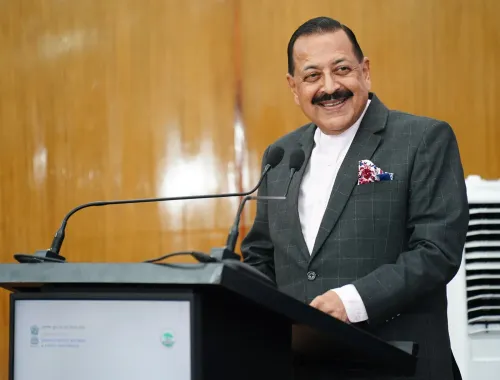
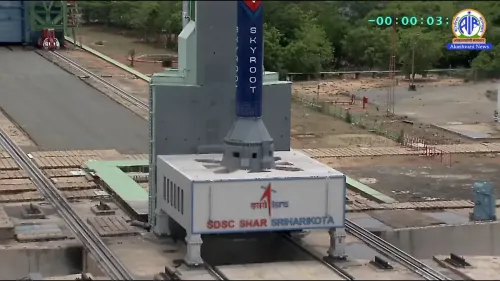
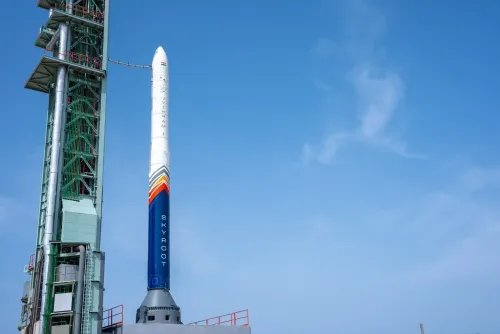
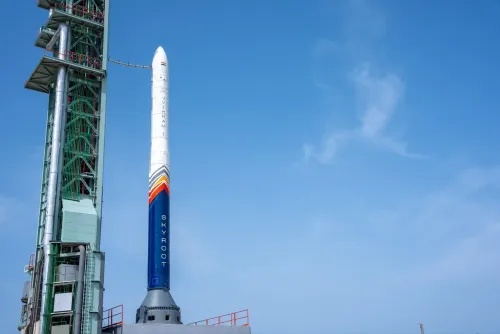
Union Minister Dr. Jitendra Singh has congratulated Hyderabad-based Skyroot Aerospace on the successful launch of Vikram-1, India's first privately developed orbital launch vehicle, calling it a major milestone for the country's private space sector and a step toward establishing India as a global space power.
Key Takeaways
Vikram-1 , developed by Skyroot Aerospace , has been described by the government as India's first privately developed orbital launch vehicle.
Jitendra Singh publicly congratulated Skyroot on 18 July 2026 , underscoring ministerial support for the private space sector.
Skyroot Aerospace was founded in 2018 and is headquartered in Hyderabad .
The launch is a direct outcome of space sector reforms announced in June 2020 and the establishment of IN-SPACe as the regulatory body for private space activities.
The Indian Space Policy 2023 further formalised the role of private entities in launch vehicles and satellite services.
The milestone is expected to boost investor confidence and accelerate growth across India's broader private space startup ecosystem.
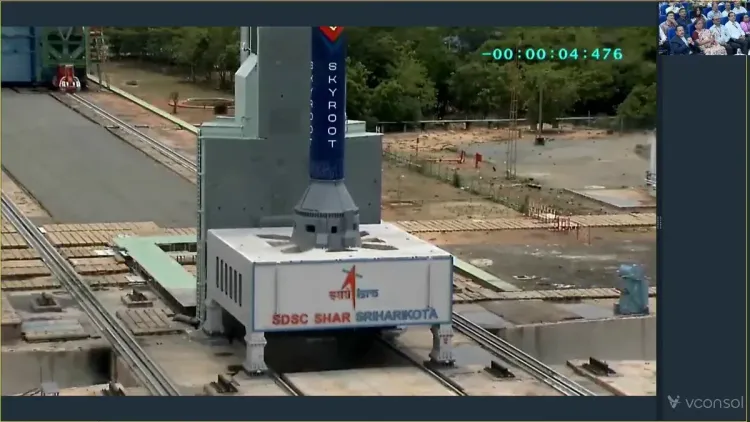
Union Science and Technology Minister Dr. Jitendra Singh on Saturday, 18 July 2026 congratulated Skyroot Aerospace on the successful launch of Vikram-1, describing it as India's first privately developed orbital launch vehicle and a major milestone for the country's expanding private space sector.
Context
Posting on X, Dr. Singh said the mission 'marks a major milestone for India's expanding private space sector and reflects the nation's growing capabilities in space technology and rising Space economy.' He added that the achievement is 'yet another significant step towards strengthening India's position as a global space power.'
Skyroot Aerospace, founded in 2018 and headquartered in Hyderabad, has developed the Vikram series of launch vehicles — named after pioneering Indian space scientist Vikram Sarabhai. The company is among the most closely watched private launch startups to emerge from India's post-2020 space liberalisation wave.
Policy Backdrop
The launch is a direct product of structural reforms the Government of India announced in June 2020, which opened the space sector to private and non-governmental entities for the first time. The Indian National Space Promotion and Authorisation Centre (IN-SPACe) was established the same year as the single-window regulator and enabler for commercial space activities.
The Indian Space Policy 2023 further codified the roles of private players in launch vehicle development, satellite services, and downstream applications. Under the Atmanirbhar Bharat agenda, the government has positioned private participation as essential to growing India's share of the global space economy, mirroring liberalisation patterns seen in the United States.
ISRO has played a supporting role in this transition, sharing facilities, expertise, and technology with startups that have received regulatory clearances, reducing the barriers that once made independent launch capability the exclusive domain of state-funded programmes.
Stakeholders and Impact
The successful orbital launch by a private Indian firm signals a maturation of the domestic space startup ecosystem. Investors, engineers, and policymakers have watched the Vikram-1 mission as a proof-of-concept for whether Indian private capital and talent can deliver end-to-end launch capability — a threshold that few countries' private sectors have crossed.
For the broader industry, the milestone is expected to boost confidence among other startups — including AgniKul Cosmos and others in various stages of development — and could attract fresh domestic and international investment into Indian space ventures. It also strengthens the case for IN-SPACe as an effective regulatory model.
What's Next
Attention will now turn to subsequent commercial or demonstration flights by Skyroot Aerospace and peers, as well as any new licensing frameworks or budgetary support the government may announce to sustain momentum in the private launch segment.
Dr. Singh's public endorsement signals continued political backing at the ministerial level for private space activity — a posture that is likely to shape upcoming policy decisions on spectrum allocation, launch infrastructure access, and export controls for space technology.
Point of View
The significance lies not just in the rocket but in the precedent: private capital has now demonstrated it can deliver orbital-class capability, which will recalibrate expectations for startups, investors, and regulators alike. The next test will be whether this momentum translates into a sustained commercial launch cadence or remains a celebrated one-off.
NationPress
18 Jul 2026
Frequently Asked Questions
What is Vikram-1 and who made it?
Vikram-1 is India's first privately developed orbital launch vehicle, built by Hyderabad-based startup Skyroot Aerospace, which was founded in 2018.
What did Dr. Jitendra Singh say about the Vikram-1 launch?
Union Minister Dr. Jitendra Singh congratulated Skyroot Aerospace on 18 July 2026, calling the mission 'a major milestone for India's expanding private space sector' and a step toward making India a global space power.
What is IN-SPACe and what role does it play in India's private space sector?
IN-SPACe, or the Indian National Space Promotion and Authorisation Centre, was established in 2020 as the single-window regulator and enabler for private and commercial space activities in India.
How did India open its space sector to private companies?
In June 2020, the Government of India announced reforms allowing private and non-governmental entities to participate in space activities. The Indian Space Policy 2023 further codified these roles for launches and satellite services.
Which other Indian private space companies are working on launch vehicles?
AgniKul Cosmos is among the prominent private launch startups in India, alongside Skyroot Aerospace, both having received regulatory clearances and support from ISRO under the post-2020 liberalisation framework.