Dr. Jitendra Singh Receives Japan PM Takaichi at New Delhi
Synopsis
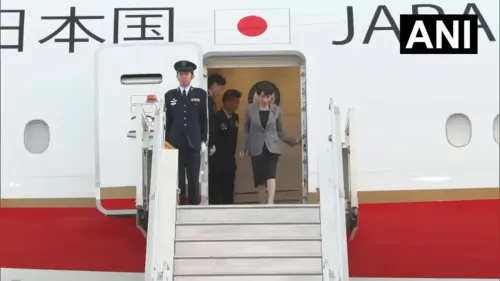
Union Minister Dr. Jitendra Singh received Japanese Prime Minister Sanae Takaichi at Palam Technical Airport, New Delhi, on 1 July 2026. Takaichi is in India for three days, with the 15th India–Japan Annual Summit as the centrepiece, underscoring the deepening strategic partnership between the two nations.
Key Takeaways
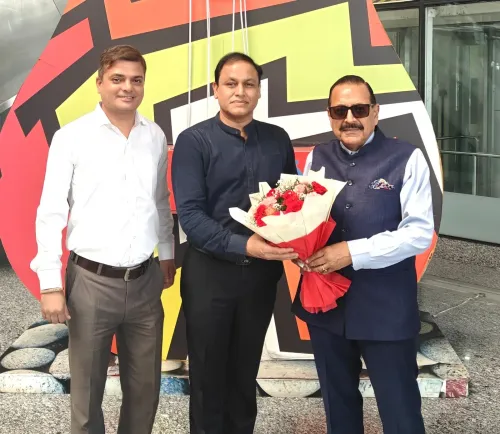
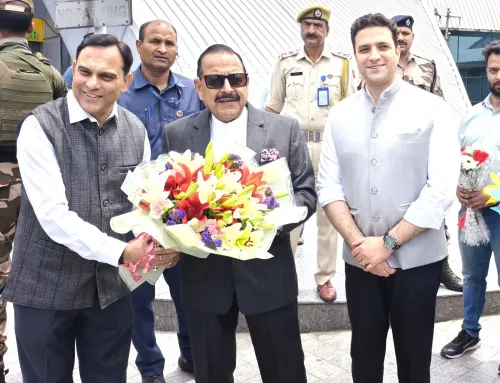
Jitendra Singh received Japanese PM Sanae Takaichi at Palam Technical Airport, New Delhi on behalf of the Government of India on 1 July 2026 .
Takaichi is on a three-day visit to India, with the 15th India–Japan Annual Summit as the primary engagement.
India and Japan have held annual summits regularly since establishing their Strategic and Global Partnership in December 2006 .
Both countries are members of the Quadrilateral Security Dialogue (Quad) , adding a multilateral security layer to the bilateral relationship.
The India–Japan Comprehensive Economic Partnership Agreement has been in force since August 2011 , underpinning trade and investment ties.
Summit outcomes on defence, technology and trade memoranda will be closely watched by stakeholders in both countries.
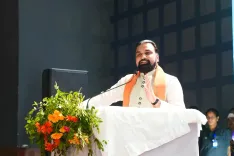
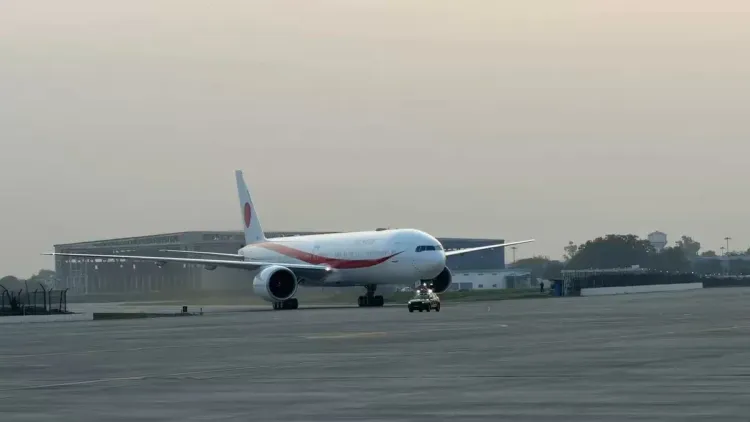
Union Minister of State (Independent Charge) for Science and Technology Dr. Jitendra Singh received and welcomed Japanese Prime Minister Sanae Takaichi on behalf of the Government of India at Palam Technical Airport, New Delhi, on the evening of Wednesday, 1 July 2026. Takaichi has arrived on a three-day visit to India, with her engagements centred on the 15th India–Japan Annual Summit.
Context
Dr. Singh, posting on X, described the occasion as a privilege, noting that the visit 'assumes special significance in the backdrop of growing strategic partnership between the two countries.' The airport reception by a senior Union Minister signals the diplomatic weight New Delhi has assigned to the visit. Palam Technical Airport serves as the designated arrival point for visiting heads of government and state dignitaries.
Prime Minister Takaichi's three-day itinerary is anchored by the annual summit mechanism, which has brought the leaders of the two countries together regularly since 2006. The 15th edition of the summit is expected to produce joint statements and possibly new agreements across defence, technology and trade.
Policy Backdrop
India and Japan formalised their Strategic and Global Partnership in December 2006, establishing the annual summit as its cornerstone. The bilateral relationship was deepened further when the India–Japan Comprehensive Economic Partnership Agreement came into force in August 2011, covering goods, services and investment.
Both nations are members of the Quadrilateral Security Dialogue (Quad), alongside the United States and Australia, which has added a multilateral security dimension to the bilateral relationship. In recent years, cooperation has expanded into maritime security, semiconductor supply chains and critical and emerging technologies — areas where both countries have identified shared interests in the Indo-Pacific.
Stakeholders and Impact
The visit is closely watched by India's defence establishment, technology industry and trade community. Past annual summits have yielded agreements on defence equipment co-development, infrastructure financing through Japanese official development assistance, and collaboration on clean energy and digital connectivity.
For Japan, India represents one of its most consequential bilateral relationships in Asia, particularly as both countries seek to diversify supply chains and reinforce a rules-based order in the Indo-Pacific. Business delegations and think-tanks from both sides typically accompany or follow such high-level visits, making the summit a catalyst for broader commercial engagement.
What's Next
The outcomes of the 15th India–Japan Annual Summit — including any new memoranda of understanding on defence cooperation or technology transfer — will be closely scrutinised. Meetings between foreign and defence ministers from both sides are expected to follow later in 2026, building on any commitments made during the summit.
As India deepens its engagement across the Indo-Pacific, the Takaichi visit is likely to reinforce the template of leader-level diplomacy driving substantive sectoral agreements — a pattern that has defined the India–Japan relationship for nearly two decades.
Point of View
From semiconductors to space, will feature prominently in the summit agenda. The visit fits a deliberate pattern of India using the annual summit mechanism to lock in strategic commitments with like-minded Indo-Pacific partners. With both nations deepening their Quad alignment, the 15th summit is as much about geopolitical signalling as it is about bilateral deliverables. For New Delhi, a successful summit reinforces its multi-alignment strategy while strengthening a partnership that has delivered tangible infrastructure and defence dividends.
NationPress
2 Jul 2026
Frequently Asked Questions
Why is Japanese PM Sanae Takaichi visiting India in July 2026?
Sanae Takaichi is visiting India for three days to attend the 15th India–Japan Annual Summit, the flagship bilateral meeting between the prime ministers of the two countries, alongside other diplomatic engagements.
Who received Japanese PM Takaichi at the airport in New Delhi?
Union Minister of State (Independent Charge) for Science and Technology Dr. Jitendra Singh received and welcomed Japanese PM Sanae Takaichi at Palam Technical Airport, New Delhi on behalf of the Government of India.
What is the India–Japan Annual Summit?
The India–Japan Annual Summit is a regular high-level bilateral meeting between the prime ministers of India and Japan, held since the two countries established their Strategic and Global Partnership in December 2006 . The 2026 edition is the 15th such summit.
What are the key areas of India–Japan cooperation?
India and Japan cooperate across defence, technology, infrastructure, trade and clean energy. Both countries are also partners in the Quadrilateral Security Dialogue (Quad) and have a Comprehensive Economic Partnership Agreement in force since August 2011 .
What outcomes are expected from the 15th India–Japan Annual Summit?
Analysts expect joint statements and possible new memoranda of understanding on defence cooperation, critical and emerging technologies, and supply-chain resilience, consistent with outcomes from previous annual summits.