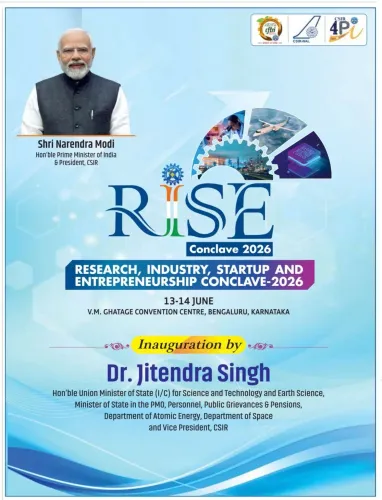
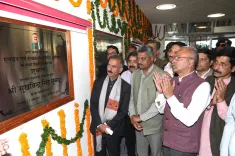
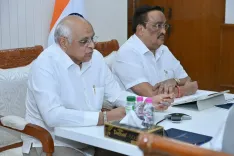
S&T Minister Dr. Jitendra Singh arrives in Bengaluru for 2-day visit
Synopsis
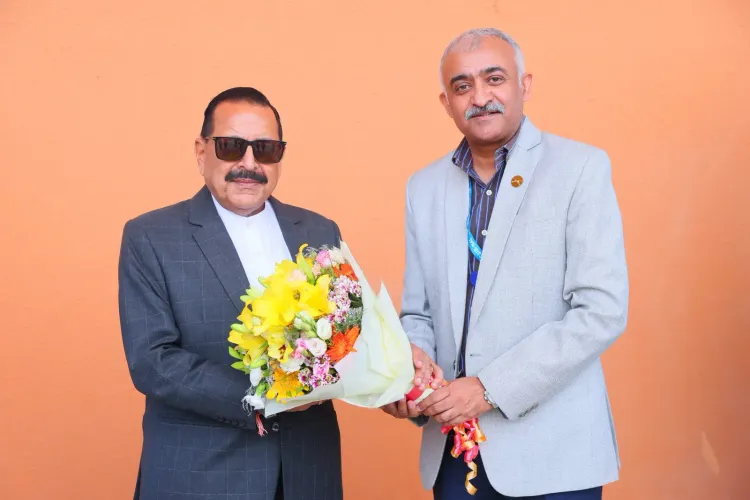
Union Science and Technology Minister Dr. Jitendra Singh arrived in Bengaluru on 13 June 2026 for a two-day visit alongside colleagues from academia, the scientific fraternity, and the BJP, signalling continued ministerial engagement with India's primary R&D hub.
Key Takeaways
Jitendra Singh , Union Minister of State (Independent Charge) for Science & Technology and Earth Sciences, arrived in Bengaluru on 13 June 2026 .
The Minister landed at Kempegowda International Airport with colleagues from the scientific fraternity, academia, and the Bharatiya Janata Party .
The visit is scheduled to last two days , with the Minister indicating 'enriching engagements ahead.' Bengaluru hosts key institutions central to flagship missions including the Anusandhan National Research Foundation (ANRF) — backed by a Rs 50,000 crore corpus — and the National Quantum Mission , both approved in 2023 .
Possible follow-up announcements on ANRF project approvals or new research centre proposals may emerge after the programme concludes.
Union Science and Technology Minister Dr. Jitendra Singh arrived in Bengaluru on Saturday, 13 June 2026, for a two-day visit, touching down at Kempegowda International Airport alongside colleagues from the scientific fraternity, academia, and the Bharatiya Janata Party. The Minister described the trip as one he was 'looking forward to enriching engagements ahead.'
Context
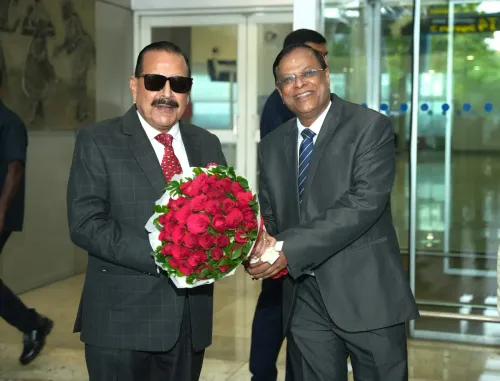
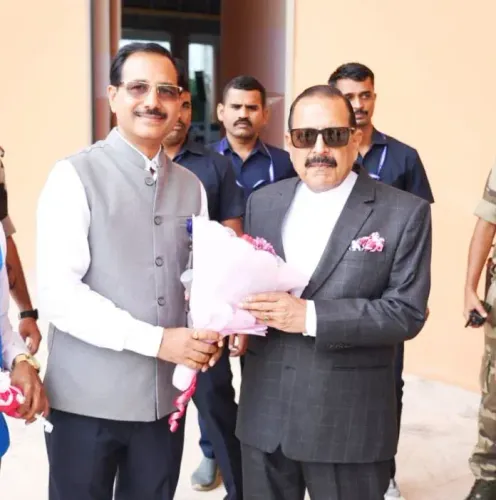
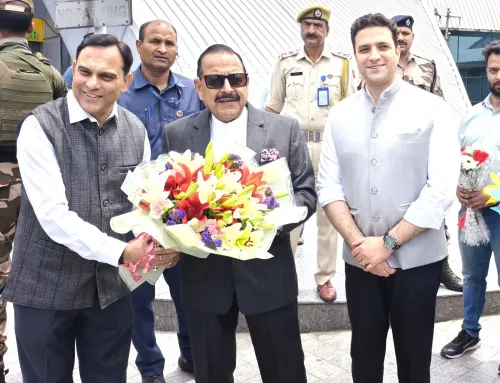
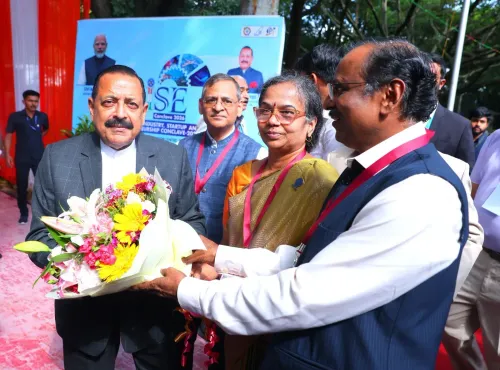
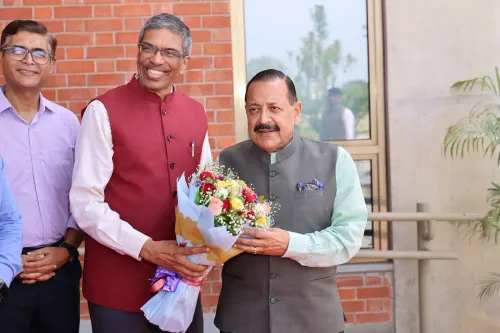
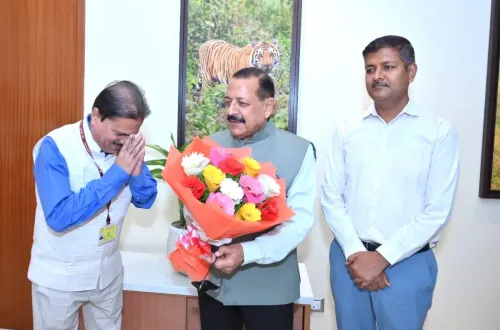
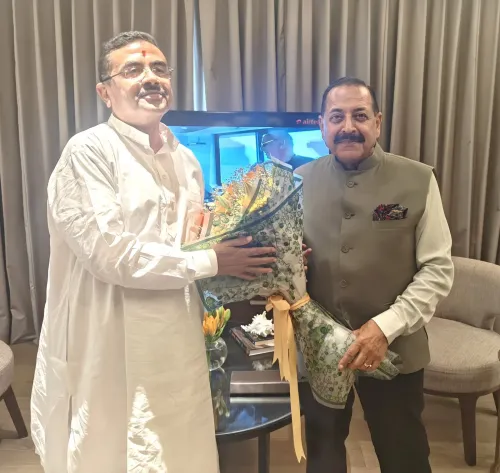
Dr. Singh's arrival in Bengaluru places him at the heart of India's primary science and technology corridor, a city that hosts the headquarters of ISRO, the Indian Institute of Science (IISc), multiple DRDO laboratories, and a dense concentration of private and public R&D institutions. The Minister's travel party — drawn from the scientific community, universities, and his party — signals that the visit straddles both policy engagement and political outreach in the state. The post, shared on 13 June 2026, was accompanied by four images from the airport.
Policy Backdrop
The visit comes against the backdrop of two landmark Central government initiatives that directly concern Bengaluru-based institutions. The Anusandhan National Research Foundation (ANRF), announced in the 2023 Union Budget with a corpus of Rs 50,000 crore, was designed to deepen academia-industry linkages and expand competitive research funding across the country. Separately, the National Quantum Mission, approved in 2023, is accelerating indigenous capabilities in quantum computing, communication, and sensing — areas where Bengaluru's institutions are central players.
Ministerial visits to Bengaluru have formed a recurring feature of the Science and Technology Ministry's engagement calendar, typically preceding or following significant funding announcements or mission milestones aimed at raising India's overall R&D expenditure and global competitiveness in critical technologies.
Stakeholders and Impact
The primary stakeholders for this visit are Bengaluru's research institutions, academic researchers, and the broader scientific community that looks to the Ministry for funding direction and policy signals. Scientists and faculty affiliated with bodies such as IISc, ISRO, and various national laboratories stand to benefit from any commitments or consultations that emerge from the two-day programme. The inclusion of party colleagues in the travel party also suggests coordination with the BJP's Karnataka unit, reflecting the intersection of science policy and political outreach in the state.
What's Next
The specific schedule of meetings, institutions to be visited, and any announcements planned during the two-day programme had not been detailed in the Minister's post. Observers will watch for possible follow-up communications on ANRF project approvals, new research centre proposals, or mission-linked funding decisions that could be tied to the Bengaluru visit once the programme concludes.
Point of View
000 crore ANRF and the National Quantum Mission. The composition of the travel party, blending academia, the scientific fraternity, and party colleagues, suggests the visit is designed to serve both policy consultation and political consolidation in Karnataka. Coming mid-2026, the timing is notable: ANRF is expected to ramp up project approvals, and any signals from Bengaluru's research community could shape the next cycle of funding decisions. The Ministry's repeated return to Bengaluru underlines the city's irreplaceable role in India's self-reliance agenda in critical and emerging technologies.
NationPress
27 Oct 2026
Frequently Asked Questions
Why did Science Minister Dr. Jitendra Singh visit Bengaluru in June 2026?
Dr. Jitendra Singh arrived in Bengaluru on 13 June 2026 for a two-day visit described as involving 'enriching engagements' with colleagues from the scientific fraternity, academia, and the BJP. The specific agenda had not been publicly detailed at the time of the post.
What is the Anusandhan National Research Foundation (ANRF)?
The ANRF is a government body announced in the 2023 Union Budget with a Rs 50,000 crore outlay to expand competitive research funding and strengthen academia-industry linkages across India, with Bengaluru-based institutions among its key stakeholders.
What is India's National Quantum Mission?
The National Quantum Mission was approved by the Indian government in 2023 to accelerate indigenous capabilities in quantum computing, communication, and sensing, with Bengaluru's research institutions playing a central role in its implementation.
Which institutions in Bengaluru are relevant to the Science Ministry?
Bengaluru hosts the headquarters of ISRO, the Indian Institute of Science (IISc), and multiple DRDO laboratories, making it India's primary hub for public-sector science and technology research.
What could come out of Dr. Jitendra Singh's Bengaluru visit?
Observers are watching for possible announcements on ANRF project approvals or new Bengaluru-centric research centre proposals once the two-day programme concludes, though no specific outcomes were confirmed in the Minister's post.