Dr. Jitendra Singh Arrives in Bengaluru for BRICS Meeting
Synopsis
Union Science and Technology Minister Dr. Jitendra Singh has arrived in Bengaluru to attend a BRICS meeting, joined by colleagues from the scientific fraternity and academia. The engagement reflects India's sustained commitment to multilateral science diplomacy through the BRICS platform.
Key Takeaways
Jitendra Singh , Union Minister of State (Independent Charge) for Science and Technology and Earth Sciences, arrived in Bengaluru on 24 June 2026 for a BRICS meeting.
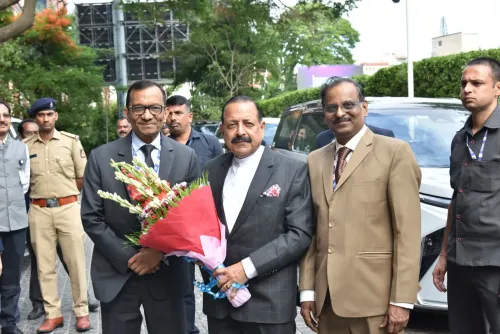
The minister landed at Kempegowda International Airport alongside colleagues from the scientific fraternity and academia.
BRICS Science, Technology and Innovation Ministerial Meetings have been held annually since 2014 to coordinate joint research among member nations.
India launched the BRICS STI Framework Programme during the 2021 BRICS Summit , focusing on clean energy, health technologies and digital infrastructure.
Bengaluru is India's primary science and technology hub, home to IISc and numerous national laboratories, reinforcing its role as a venue for high-level multilateral engagement.
Possible joint declarations or new funding calls under the STI Framework Programme are expected to emerge from the Bengaluru meeting.
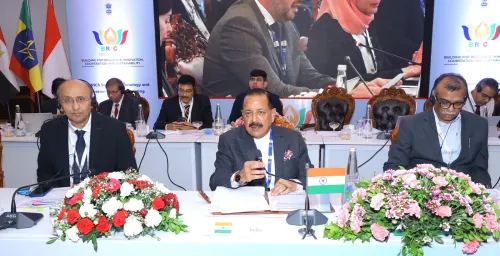
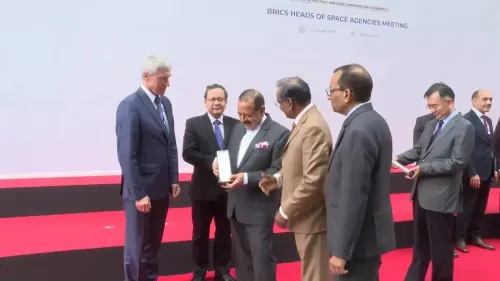
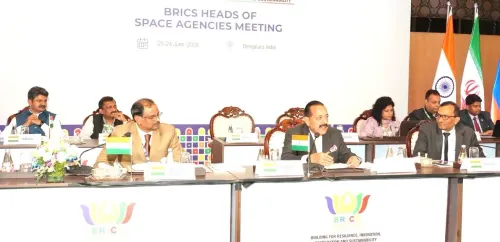
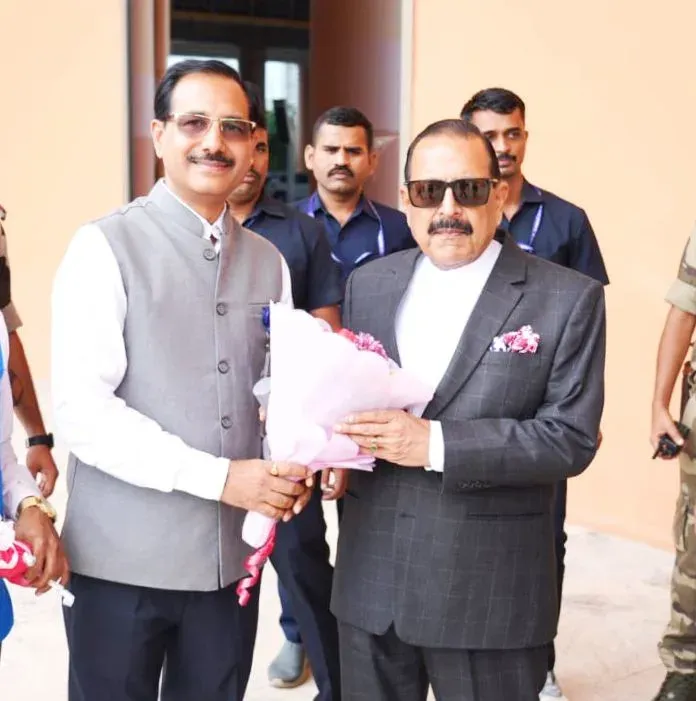
Union Science and Technology Minister Dr. Jitendra Singh arrived in Bengaluru on Wednesday, 24 June 2026, to attend an important BRICS meeting, touching down at Kempegowda International Airport alongside colleagues from the scientific fraternity and academia.
Context
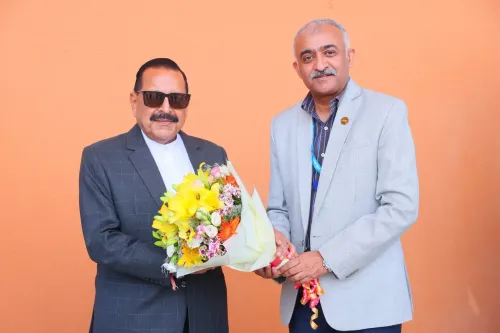
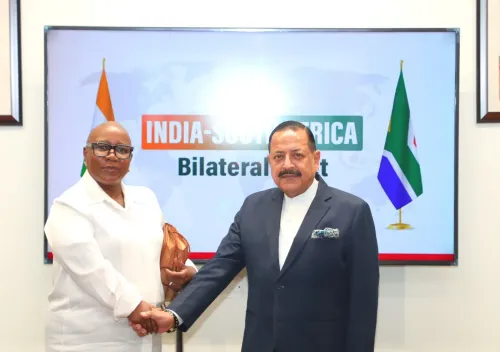
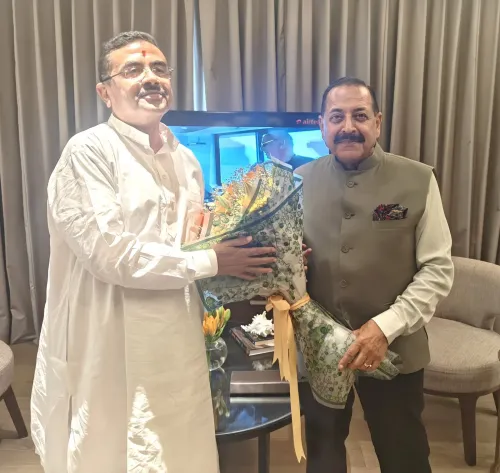
Dr. Singh confirmed his arrival via a post on X, writing: 'Arrived #Bengaluru for the important #BRICS meeting. With colleagues from fraternity and academia at the Kempegowda Airport.' The post was accompanied by images from the airport, signalling the ministerial-level weight India is lending to the engagement.
Bengaluru serves as India's foremost technology and research hub, home to the Indian Institute of Science (IISc) and dozens of national laboratories, making it a natural venue for high-stakes multilateral science diplomacy.
Policy Backdrop
BRICS Science, Technology and Innovation (STI) Ministerial Meetings have been convened annually since 2014, providing a structured forum for Brazil, Russia, India, China and South Africa — along with newer partner nations — to coordinate joint research programmes and pool scientific resources.
India hosted the 2021 BRICS Summit and launched the BRICS STI Framework Programme, which channels collaborative funding into shared priorities such as clean energy, health technologies and digital infrastructure. Successive Indian governments have treated the BRICS platform as a complement to — and in some respects a counterweight to — Western-dominated multilateral forums, expanding bilateral science and technology agreements with each member state in parallel.
Stakeholders and Impact
The meeting draws scientists, researchers and academic leaders from across BRICS member countries, creating a direct channel between policymakers and the scientific community. For India, participation at the ministerial level underscores New Delhi's commitment to science diplomacy as a tool of foreign policy.
Dr. Singh holds independent charge of the Ministry of Science and Technology and the Ministry of Earth Sciences, in addition to his roles as Minister of State in the Prime Minister's Office and in the Ministry of Personnel, Public Grievances and Pensions — a portfolio that positions him as a key interlocutor on international research cooperation.
What's Next
Observers will watch closely for any joint declarations or new funding calls that may emerge from the Bengaluru meeting under the BRICS STI Framework Programme. Outcomes could shape collaborative research agendas across member nations for the coming year.
India's hosting of a senior minister for this engagement reinforces Bengaluru's growing stature as a venue for consequential multilateral dialogue, and signals that science and technology cooperation will remain a pillar of India's BRICS strategy.
Point of View
Even as the bloc's internal dynamics grow more complex with expanded membership. Choosing Bengaluru — India's technology capital — as the host city is itself a soft-power statement, projecting India's scientific credentials to partner nations. The engagement fits a broader pattern under successive governments of using BRICS STI platforms to secure collaborative research funding and reduce dependence on Western-led scientific institutions. Outcomes from this meeting could set the tone for India's science cooperation agenda with BRICS partners through the remainder of 2026.
NationPress
22 Sept 2026
Frequently Asked Questions
Why did Dr. Jitendra Singh go to Bengaluru?
Dr. Jitendra Singh travelled to Bengaluru on 24 June 2026 to attend an important BRICS meeting, joined by colleagues from the scientific community and academia.
What is the BRICS Science, Technology and Innovation meeting?
The BRICS STI Ministerial Meeting is an annual forum held since 2014 where science ministers and researchers from BRICS member nations coordinate joint research programmes and funding under the BRICS STI Framework Programme.
What is the BRICS STI Framework Programme?
The BRICS STI Framework Programme, launched during India's 2021 BRICS Summit presidency, channels collaborative funding into shared priorities such as clean energy, health technologies and digital infrastructure among member countries.
Why is Bengaluru chosen for BRICS science meetings?
Bengaluru is India's foremost science and technology hub, hosting institutions such as IISc and numerous national laboratories, making it a natural and symbolically significant venue for high-level multilateral science diplomacy.
What outcomes are expected from the Bengaluru BRICS meeting?
Observers are watching for joint declarations or new funding calls under the BRICS STI Framework Programme that could shape collaborative research agendas among member nations for the coming year.