DRI seizes 26 kg cocaine across India, arrests 22 in multi-city crackdown
Synopsis
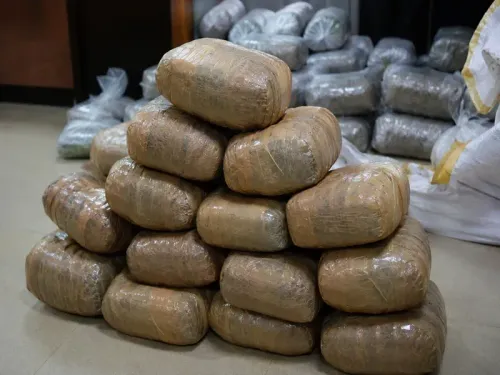
On the International Day Against Drug Abuse, India's DRI revealed it has seized 26 kg of cocaine across six cities since last month, arresting 22 people including 14 foreign nationals. A simultaneous bust dismantled a gold smuggling syndicate at Mumbai airport, exposing how organised crime networks exploit the same airport access points for multiple contraband streams.
Key Takeaways
The DRI seized approximately 26 kg of cocaine across Mumbai, Delhi, Jaipur, Patna, Kochi, Ahmedabad , and Surat since last month.
A 2 kg cocaine haul in Surat on 27 June 2025 led to one arrest under the NDPS Act, 1985 .
A total of 22 persons , including 14 foreign nationals , have been arrested across the nationwide operations.
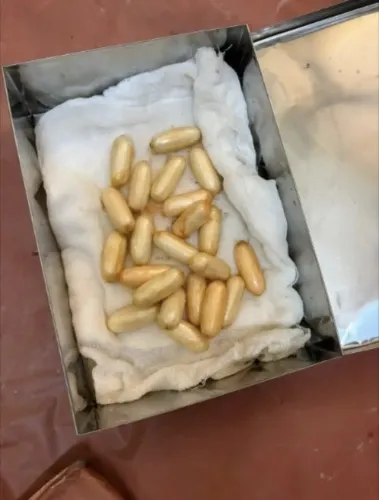
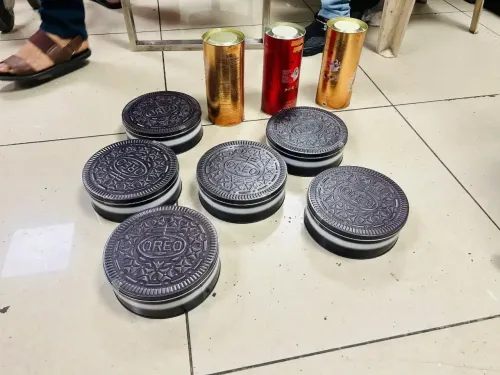
Smuggling methods included ingestion of drug-filled capsules, concealment in edible items, fabric-soaking, and baggage hiding.
A separate DRI operation busted a gold smuggling syndicate at Mumbai airport , arresting 9 persons including an airport staff member.
The operations were announced on 26 June , the UN International Day Against Drug Abuse and Illicit Trafficking .
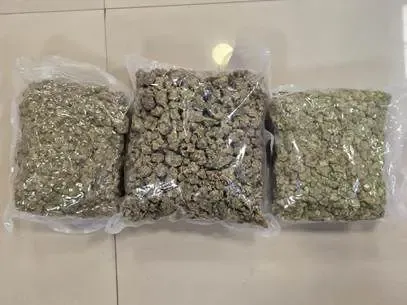
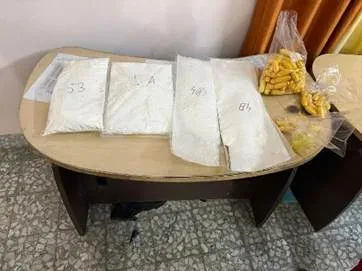
The Directorate of Revenue Intelligence (DRI) has seized approximately 26 kg of cocaine across multiple cities since last month, arresting 22 persons — including 14 foreign nationals — in a coordinated nationwide crackdown on drug trafficking networks. The latest seizure, 2 kg of cocaine in Surat on 27 June 2025, led to the arrest of one individual under the provisions of the Narcotic Drugs and Psychotropic Substances (NDPS) Act, 1985.
Scale of Operations
Beyond Surat, DRI teams conducted simultaneous operations at airports, railway stations, courier terminals, and highways across Mumbai, Delhi, Jaipur, Patna, Kochi, and Ahmedabad. The cumulative haul of 26 kg of cocaine across these operations marks one of the agency's more significant anti-narcotics pushes in recent months. The arrests include 14 foreign nationals, pointing to the international dimension of the trafficking syndicates being targeted.
How the Contraband Was Smuggled
According to officials, traffickers employed a range of concealment methods. These included ingestion — swallowing drug-filled capsules or pellets for internal concealment — as well as hiding the substance in household and edible items, soaking it into fabrics, and concealing it within baggage. The variety of methods reflects the adaptability of organised drug networks operating across entry points.
Gold Smuggling Syndicate Also Busted
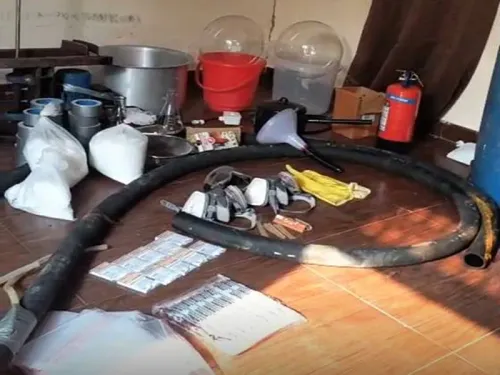
In a separate but concurrent enforcement action, the DRI dismantled a highly organised gold smuggling syndicate operating through Mumbai airport. Nine persons were arrested across the entire smuggling chain, including an airport staff member, her handler, three intermediaries, the operator of a gold melting facility, and three individuals engaged in the melting process. The agency detected and busted a clandestine facility used to melt foreign-origin smuggled gold. Officials noted that the case highlights the increasing sophistication of such syndicates, which exploit insider access at airports and rely on layered distribution networks to evade detection.
Context: International Day Against Drug Abuse
The Surat seizure and the broader crackdown were announced on 26 June, observed globally as the International Day Against Drug Abuse and Illicit Trafficking. Established by the United Nations in 1987, the day is dedicated to strengthening global action against the illegal drug trade and raising awareness of the consequences of substance abuse. DRI officials stated that these operations contribute to the Government of India's stated objective of a Nasha Mukt Bharat (Drug-free India).
What This Signals
The arrests of 14 foreign nationals alongside domestic operatives suggest that transnational trafficking routes into India — particularly through air and courier channels — remain active. With the DRI now targeting both narcotics and precious-metal smuggling syndicates in overlapping operations, enforcement agencies appear to be intensifying pressure on organised crime networks that exploit the same logistics infrastructure for multiple contraband streams.
Point of View
But the operational details deserve scrutiny. The presence of 14 foreign nationals among 22 arrests points to established transnational routes — likely air and courier corridors — that domestic enforcement alone cannot close. The simultaneous gold smuggling bust at Mumbai airport is the more structurally significant finding: it reveals that insider access at major airports is being systematically exploited across multiple contraband categories, not just drugs. That overlap suggests a shared logistics underworld that anti-narcotics and customs enforcement need to tackle jointly, not in parallel silos.
NationPress
26 Jun 2026
Frequently Asked Questions
How much cocaine did the DRI seize in its recent operations?
The DRI seized approximately 26 kg of cocaine cumulatively since last month across operations in Mumbai, Delhi, Jaipur, Patna, Kochi, Ahmedabad, and Surat. The latest single seizure was 2 kg in Surat on 27 June 2025.
How many people were arrested in the DRI drug crackdown?
A total of 22 persons were arrested across the multi-city cocaine operations, including 14 foreign nationals. One additional person was arrested specifically in connection with the Surat seizure under the NDPS Act, 1985.
What methods did traffickers use to smuggle cocaine into India?
According to DRI officials, traffickers used multiple concealment methods including ingestion of drug-filled capsules or pellets, hiding cocaine in household and edible items, soaking it into fabrics, and concealing it within baggage.
What is the significance of the Mumbai airport gold smuggling bust?
The DRI dismantled a nine-member gold smuggling syndicate at Mumbai airport that included an airport staff member exploiting insider access. The bust also uncovered a clandestine gold melting facility, highlighting how organised syndicates use layered networks and insider positions to evade detection.
Why were these operations announced on 26 June?
26 June is observed globally as the International Day Against Drug Abuse and Illicit Trafficking, established by the United Nations in 1987. The DRI timed its announcement to coincide with the day, framing the operations as part of the government's Nasha Mukt Bharat (Drug-free India) initiative.