Drones boost rubber cultivation and disease control in Nagaland
Synopsis
Nagaland is turning to drones to protect nearly 30,000 hectares of rubber plantations — using aerial spraying of Copper Oxychloride to fight Abnormal Leaf Fall disease across three districts. With over 13,600 MT of rubber produced and immature plantations still maturing, the state's rubber sector is at a pivotal growth moment, and technology may be the edge it needs.
Key Takeaways
Nagaland is using drone technology for rubber plantation monitoring and to combat Abnormal Leaf Fall disease .
Drone-based Copper Oxychloride spraying has covered 171.15 hectares across Wokha , Peren , and Niuland districts.
As of 31 March 2026 , the state has 29,794.39 hectares of rubber plantations and produced 13,617.21 MT of rubber at 1,166.03 kg per hectare .
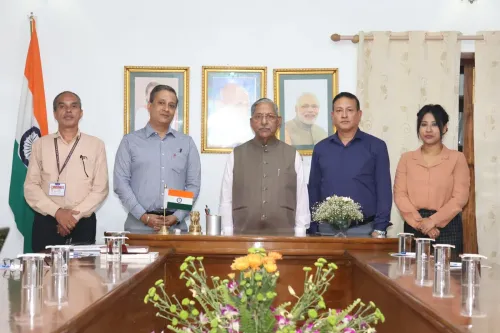
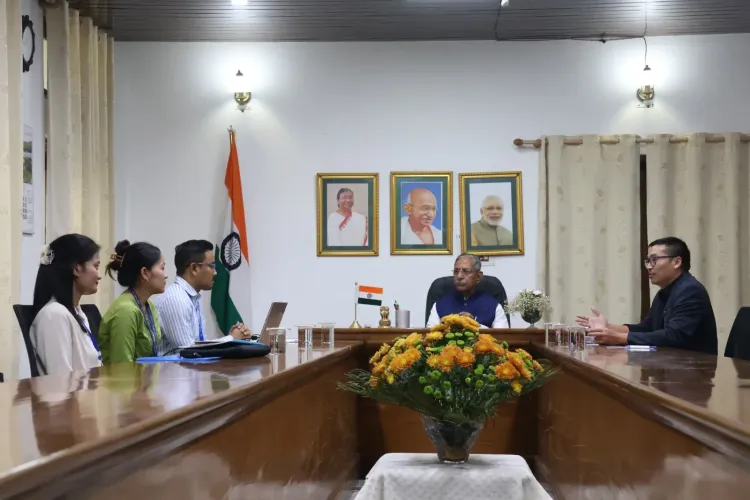
Governor Nand Kishore Yadav reviewed Rubber Board initiatives at Lok Bhavan, Kohima on 2 September .
Key challenges include poor road connectivity, tapper shortages, and wildlife damage to plantations.
Future plans include more Group Processing Centres , expanded skill development, and closer coordination with the Nagaland Department of Land Resources .
Nagaland authorities are deploying drone technology to strengthen natural rubber cultivation and combat a spreading plant disease, officials confirmed on Wednesday, 2 September. The initiative, backed by the Rubber Board, marks a significant technological shift in how the state manages its rubber sector, which now spans nearly 30,000 hectares.
Drone Deployment and Disease Management
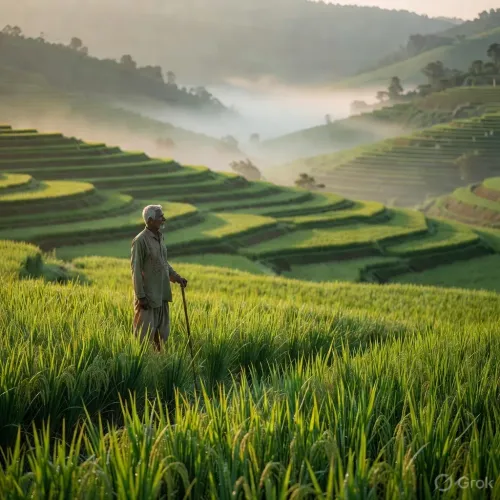
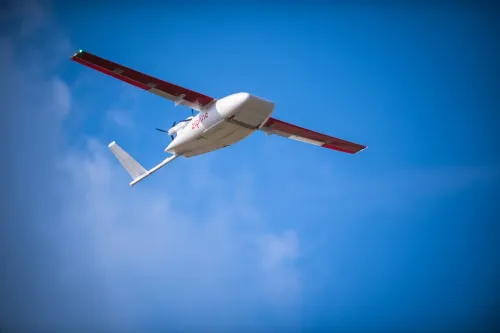
One of the most pressing challenges facing Nagaland's rubber growers is Abnormal Leaf Fall (ALF) disease, which has been damaging plantations across the state. Authorities have responded by deploying drones for aerial surveillance and targeted intervention, enabling timely monitoring and faster disease containment.
Drone-based spraying of Copper Oxychloride has already been carried out across selected areas of Wokha, Peren, and Niuland districts, covering a total of 171.15 hectares. Officials say the precision of aerial spraying reduces both chemical wastage and the time lag between disease detection and treatment — a critical advantage in plantation agriculture.
Scale of Rubber Cultivation in Nagaland
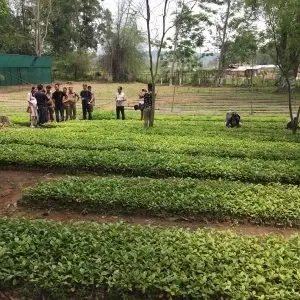
As of 31 March 2026, Nagaland recorded a total rubber planted area of 29,794.39 hectares, comprising 11,977.71 hectares of mature plantations and 17,816.68 hectares of immature plantations. The state produced 13,617.21 metric tonnes (MT) of rubber, with a productivity level of 1,166.03 kg per hectare.
These figures were presented to Nagaland Governor Nand Kishore Yadav during a review meeting held at Lok Bhavan, Kohima, where officials from the Rubber Board Regional Office, Dimapur, briefed him on progress and future plans.
Key Initiatives Reviewed
The review meeting covered a broad range of Rubber Board programmes. The INROAD (Indian Natural Rubber Operations for Assisted Development) Project is driving large-scale plantation development across the Northeast, aiming to promote sustainable rubber expansion and improve grower livelihoods.
Group Processing Centres (GPCs) are being established to enable collective rubber processing, improve the quality of rubber sheets, and lower individual processing costs. The Tappers' Intensive Skill Improvement Programme (TISP) is addressing a persistent shortage of skilled tappers by providing hands-on training in scientific rubber tapping methods. Farmer education, awareness programmes, and exposure visits are also being scaled up.
Challenges Confronting the Sector
Despite the progress, officials acknowledged several structural challenges. Poor rural road connectivity continues to hamper plantation access and market linkages. The sector also faces a shortage of skilled tappers, heavy dependence on migrant labour, inadequate marketing infrastructure, and recurring damage to plantations caused by wildlife.
These constraints are not unique to Nagaland — they reflect broader difficulties facing rubber cultivation across India's northeastern states, where terrain and connectivity have historically limited agricultural productivity.
Road Ahead for the Rubber Board
Future plans outlined at the meeting include the continuation and expansion of farmer training programmes, establishment of additional Group Processing Centres, and closer coordination with the Nagaland Government's Department of Land Resources. Skill development initiatives are also set to be widened, with the Rubber Board signalling a sustained commitment to modernising the sector through both technology and institutional support.
Point of View
800 hectares of immature plantations yet to reach productive age, the state is sitting on significant latent output — but realising it will require investment in roads and labour pipelines, not just technology. The Rubber Board's INROAD Project is a step in the right direction, but execution in the Northeast has historically lagged ambition.
NationPress
2 Sept 2026
Frequently Asked Questions
How is drone technology being used for rubber cultivation in Nagaland?
Drones are being used in Nagaland for two purposes: monitoring rubber plantations for disease and spraying Copper Oxychloride to combat Abnormal Leaf Fall disease. Aerial spraying has so far covered 171.15 hectares across Wokha, Peren, and Niuland districts.
What is Abnormal Leaf Fall disease and why does it matter for rubber growers?
Abnormal Leaf Fall (ALF) is a fungal disease that causes premature leaf shedding in rubber trees, reducing photosynthesis and ultimately lowering latex yield. It poses a significant threat to rubber productivity, making timely detection and treatment critical for growers' incomes.
What is the current scale of rubber cultivation in Nagaland?
As of 31 March 2026, Nagaland has a total rubber planted area of 29,794.39 hectares — of which 11,977.71 hectares are mature and 17,816.68 hectares are immature. The state produced 13,617.21 MT of rubber at a productivity of 1,166.03 kg per hectare.
What is the INROAD Project and how does it help rubber farmers in the Northeast?
INROAD stands for Indian Natural Rubber Operations for Assisted Development. It is a Rubber Board initiative focused on large-scale plantation development and strengthening the rubber ecosystem across northeastern India, aiming to promote sustainable cultivation and improve grower livelihoods.
What are the main challenges facing Nagaland's rubber sector?
Key challenges include poor rural road connectivity, a shortage of skilled tappers, dependence on outside labour, inadequate marketing channels, and damage to plantations caused by wildlife. These structural issues have been flagged by officials as priorities requiring long-term policy intervention.