Nagaland poised to become premium coffee producer, says Governor Yadav
Synopsis
Nagaland is sitting on an underexploited coffee opportunity — and its Governor wants to change that. With both Arabica and Robusta already growing across districts and a local café culture taking root, the state is inching toward specialty and premium coffee production. The missing links: roads, processing units, and market access. The Coffee Board review in Kohima was a signal that institutional momentum may finally be building.
Key Takeaways
Governor Nand Kishore Yadav chaired a review meeting at Lok Bhavan, Kohima on 1 September to assess coffee cultivation prospects in Nagaland.
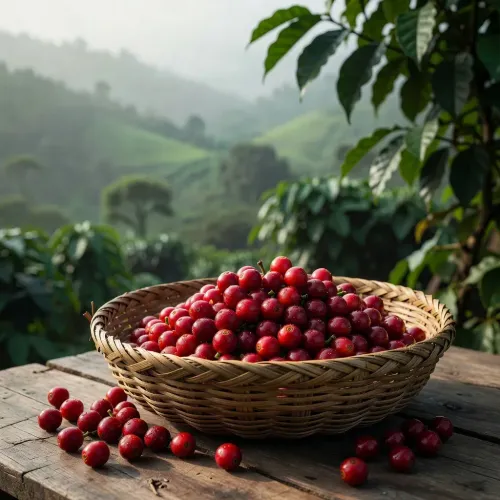
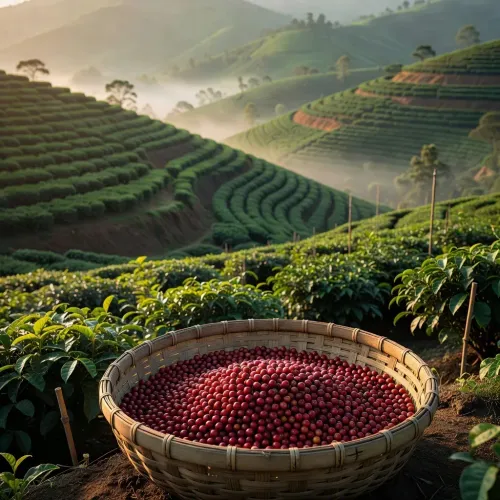
Both Arabica and Robusta coffee varieties are currently cultivated across multiple districts of the state.
The Coffee Board of India has supported farmers through financial aid, drying yards, mechanisation, and capacity-building programmes.
Key challenges include poor road connectivity, limited processing infrastructure, small landholdings, and restricted access to international markets.
Opportunities identified include specialty coffee, organic certification, coffee tourism, e-commerce, and youth entrepreneurship.
Governor Yadav called for a coordinated approach covering the full value chain — from cultivation to branding and marketing.
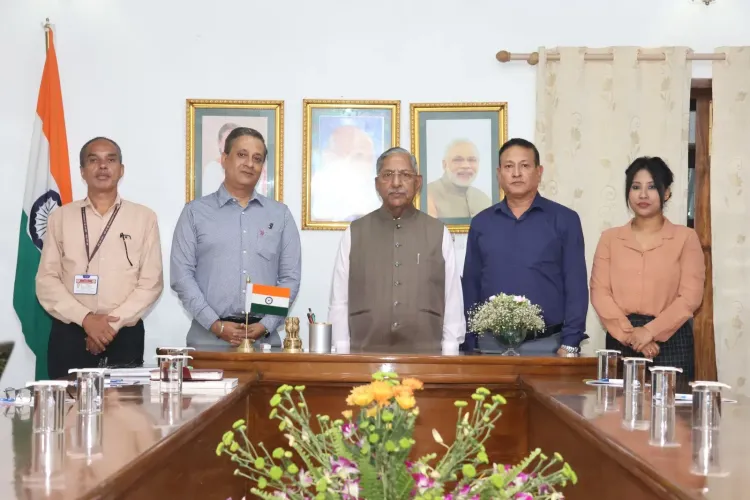
Nagaland Governor Nand Kishore Yadav on Tuesday, 1 September expressed confidence that the state holds strong potential to emerge as a significant producer of premium and specialty coffee in India, provided it receives sustained institutional support, improved infrastructure, scientific cultivation practices, and effective market linkages. The remarks came during a review meeting held at Lok Bhavan in Kohima, attended by officials of the Coffee Board of India and the state Department of Land Resources.
Current State of Coffee Cultivation
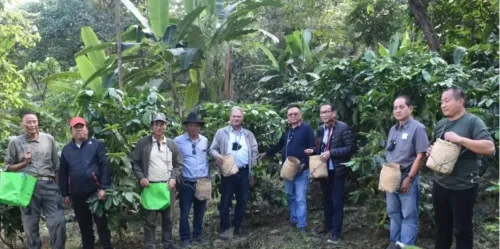
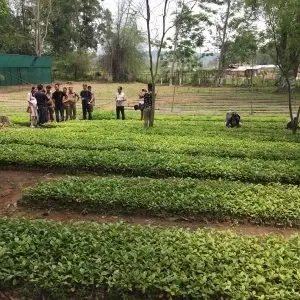
Coffee cultivation in Nagaland has recorded steady growth over the years, supported by a collaboration between the Coffee Board of India and the state Department of Land Resources. Both Arabica and Robusta varieties are currently grown across several districts of the state. The Coffee Board presented a detailed overview of coffee cultivation across the Northeastern region and Nagaland specifically, covering progress, productivity levels, and future prospects.
The Board has extended direct support to farmers through financial assistance, drying yards, mechanisation equipment, and capacity-building programmes — measures aimed at lifting both yield and quality at the farm level.
Key Challenges Holding the Sector Back
The review meeting candidly acknowledged the structural hurdles facing Nagaland's coffee sector. Difficult terrain and poor road connectivity continue to hamper transportation of produce. Limited processing infrastructure, small landholdings, a shortage of skilled agricultural labour, climate-related vulnerabilities, and restricted access to international markets were all flagged as pressing concerns that require coordinated intervention.
Notably, these challenges are not unique to Nagaland — they mirror the broader constraints faced by coffee-growing communities across much of the Northeast, where geography and infrastructure deficits have historically limited the commercial realisation of high-quality produce.
Opportunities: Specialty Coffee, Tourism and Youth Enterprise
Despite the challenges, participants at the meeting identified a compelling set of opportunities. These include specialty and organic coffee production, organic certification pathways, coffee tourism, value addition at the farm and processing level, local roasting enterprises, the rise of café culture, e-commerce channels, and youth entrepreneurship in the coffee ecosystem.
The meeting also noted a growing coffee culture within Nagaland itself, with an increasing number of local coffee roasters, cafés, and entrepreneurs contributing to a nascent but vibrant domestic coffee economy. Rising domestic demand for premium and specialty varieties was seen as an additional tailwind for the state's farmers and small businesses.
Governor's Emphasis on Value Chain and Farmer Income
Governor Yadav stressed the importance of a focused, coordinated approach that strengthens the entire coffee value chain — from cultivation and improved farm practices through to processing, branding, and marketing. He underlined the need to enhance farmers' incomes by promoting quality production and value addition, while simultaneously creating greater opportunities for local entrepreneurs and youth in the sector.
The Governor's call for a whole-of-chain strategy signals a shift from viewing coffee merely as a crop to treating it as an economic platform capable of generating livelihoods across multiple segments — farming, processing, logistics, retail, and tourism. With the right policy scaffolding, Nagaland's coffee story is only beginning to be written.
Point of View
Yet poor road connectivity and thin processing capacity mean premium beans routinely fail to reach premium markets. Governor Yadav's review meeting is a useful signal, but institutional reviews in the Northeast have a history of identifying the same bottlenecks without resolving them. The Coffee Board's role here is critical: if its support stays limited to drying yards and training, the opportunity will remain theoretical. What Nagaland actually needs is cold-chain logistics, processing co-operatives, and a direct export corridor — investments that require Centre-state coordination well beyond a single review meeting.
NationPress
19 Oct 2026
Frequently Asked Questions
What did Nagaland Governor Nand Kishore Yadav say about coffee cultivation?
Governor Nand Kishore Yadav expressed confidence that Nagaland has the potential to emerge as a major producer of premium coffee in India, provided it receives sustained institutional support, better infrastructure, scientific cultivation practices, and effective market linkages. He made these remarks at a review meeting held at Lok Bhavan in Kohima on 1 September.
Which coffee varieties are grown in Nagaland?
Both Arabica and Robusta varieties are currently cultivated across several districts of Nagaland. The state is also seen as having significant potential for specialty and organic coffee production.
What support has the Coffee Board of India provided to Nagaland farmers?
The Coffee Board of India has extended support through financial assistance, drying yards, mechanisation equipment, and capacity-building and training programmes aimed at improving farm productivity and quality.
What are the main challenges facing coffee cultivation in Nagaland?
The key challenges include difficult terrain, poor road connectivity, limited processing infrastructure, small landholdings, a shortage of skilled labour, climate-related concerns, and limited exposure to international markets.
What opportunities exist for Nagaland in the coffee sector?
Opportunities identified at the review meeting include specialty and organic coffee production, organic certification, coffee tourism, value addition, local roasting enterprises, the growth of café culture, e-commerce, and youth entrepreneurship in the coffee ecosystem.