Drug-free Maharashtra: NCB chief Anurag Garg meets CM Fadnavis to chart anti-trafficking strategy
Synopsis
NCB Director General Anurag Garg sat down with Maharashtra CM Devendra Fadnavis in Mumbai to sharpen the state's anti-narcotics action plan — a meeting that signals the Centre is treating the December 2029 drug-free India deadline as a hard target, not a rhetorical one. With bilateral agreements across 27 countries and a fresh India-US working group meeting in August, India's counter-narcotics architecture is scaling up fast.
Key Takeaways
NCB Director General Anurag Garg met Maharashtra CM Devendra Fadnavis in Mumbai on 6 October 2026 to discuss anti-drug trafficking strategy.
The meeting is aligned with the Centre's goal of a drug-free India by December 2029 , under a Whole-of-Government Approach.
The India-US Counter Narcotics Working Group (CNWG) meeting was hosted by the NCB on 6 August 2026 , with officials from the DEA , ONDCP , and US Department of State .
India holds DG-level bilateral drug-control talks with 7 countries including Myanmar, Nepal, Thailand, and the US.
The NCB has bilateral agreements with 27 countries and MoUs with 19 countries , according to the Union Home Ministry.
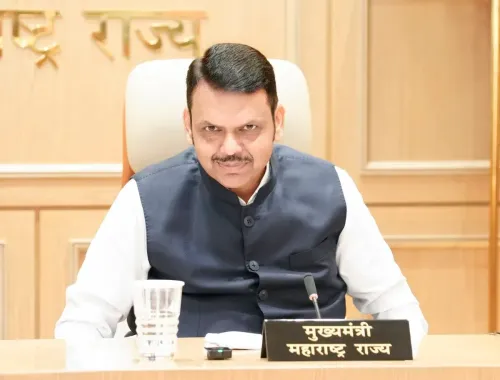
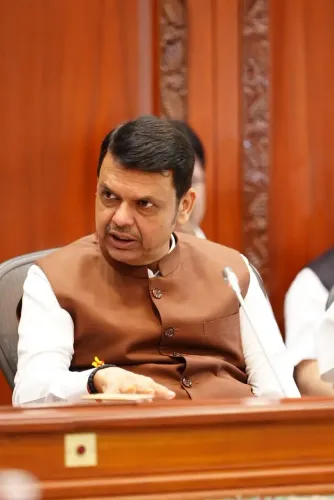
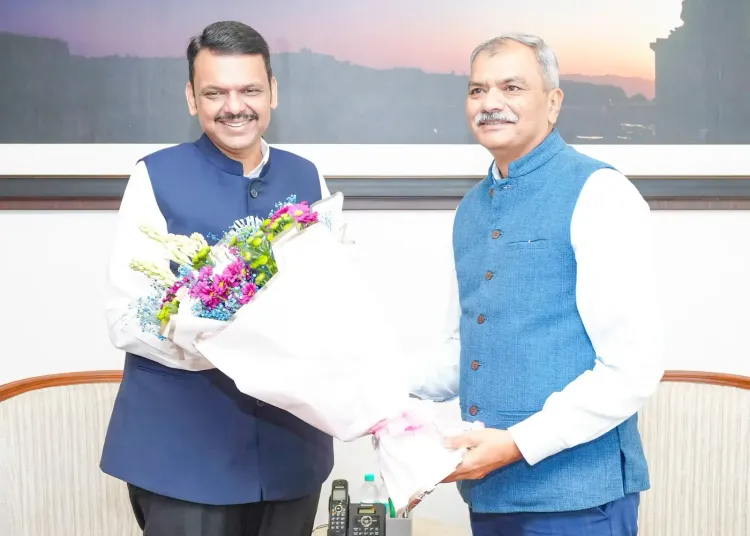
Narcotics Control Bureau (NCB) Director General Anurag Garg met Maharashtra Chief Minister Devendra Fadnavis in Mumbai on 6 October 2026 to map out an intensified strategy against drug trafficking, with both sides aligning on a Central Government deadline of making the country drug-free by December 2029. The high-level consultation underscores the Centre's push to deploy a coordinated, whole-of-government approach — and positions Maharashtra as a frontline state in that national mission.
What Was Discussed
According to a post shared by the NCB on social media platform X, the meeting covered 'various steps being undertaken by the Ministry of Home Affairs under the Whole-of-Government Approach against drug trafficking and distribution in line with the Central Government's objective of making the country drug-free by December 2029.' The agenda also reviewed Maharashtra's ongoing anti-narcotics efforts and an action plan for the months ahead.
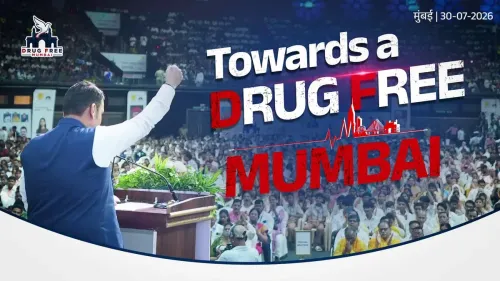
'The state continues to be at the forefront of this nationwide mission to build a drug-free Maharashtra,' the NCB said in its statement. Officials did not specify operational details, though the framing suggests a renewed push beyond enforcement to include distribution-chain disruption and inter-agency coordination.
India-US Counter Narcotics Cooperation
The meeting follows a significant multilateral development in August, when the NCB hosted the India-US Counter Narcotics Working Group (CNWG) — Pillar I Working Group Meeting on 6 August 2026 in a hybrid format. The session brought together officials from both nations to tighten bilateral cooperation in combating drug trafficking.
The Indian delegation included representatives from the NCB, Central Bureau of Narcotics (CBN), Directorate of Revenue Intelligence (DRI), Central Drugs Standard Control Organisation (CDSCO), Ministry of External Affairs (MEA), Department of Revenue, and the Department of Chemicals and Petrochemicals. The US side fielded officials from the Drug Enforcement Administration (DEA), LEGAT, Office of National Drug Control Policy (ONDCP), and the US Department of State.
Discussions focused on strengthening operational cooperation, curbing the diversion of precursor chemicals, enhancing policy coordination, and advancing capacity-building initiatives, according to the NCB.
India's International Drug-Control Architecture
The bilateral India-US session is part of a broader multilateral framework. According to the Union Home Ministry, the NCB has signed bilateral agreements with 27 countries and Memoranda of Understanding (MoUs) with 19 countries, cementing India's role as an active node in global drug-control networks. India holds regular Director General-level bilateral talks on drug-related matters with Myanmar, Nepal, Thailand, Sri Lanka, Indonesia, Singapore, and the United States.
Why Maharashtra Is Central to the Mission
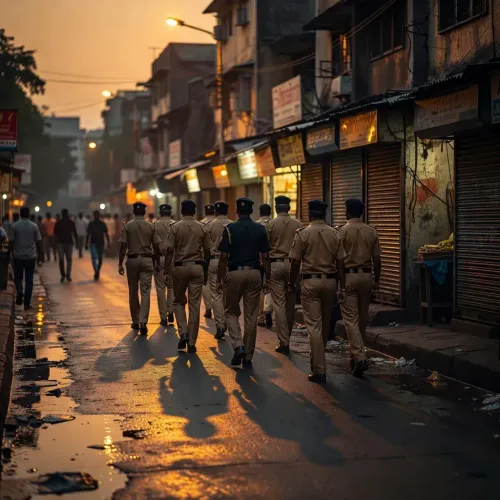
Maharashtra's position as India's commercial and financial hub makes it a strategic priority in narcotics interdiction. Major port access via Mumbai, a dense urban network, and cross-border trafficking routes through the state make it a recurring focus of enforcement drives. This is not the first time a senior NCB official has conferred directly with the Chief Minister — such engagements have become more frequent since the Centre formalised its 2029 drug-free India target.
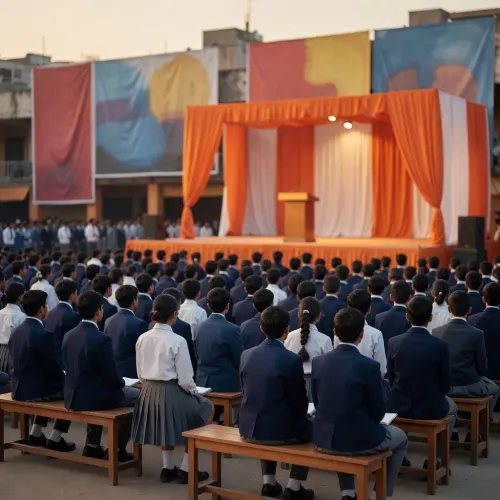
With a concrete national deadline now on record and operational plans being refined at the state level, the effectiveness of this coordinated push will depend on whether enforcement gains translate into sustained demand reduction on the ground.
Point of View
Conviction rates, and demand-side data. Maharashtra has been a focal point of narcotics operations for years, but enforcement intensity has not consistently translated into street-level impact. The India-US CNWG meeting adds a credible international dimension, particularly on precursor chemical diversion — a supply-chain problem that domestic raids alone cannot solve. Whether the Whole-of-Government framing produces whole-of-government accountability is the question that will define this mission's legacy.
NationPress
6 Oct 2026
Frequently Asked Questions
Why did NCB chief Anurag Garg meet Maharashtra CM Devendra Fadnavis?
NCB Director General Anurag Garg met CM Devendra Fadnavis in Mumbai on 6 October 2026 to discuss a coordinated strategy to intensify the fight against drug trafficking in Maharashtra. The meeting is part of the Central Government's Whole-of-Government Approach aimed at making India drug-free by December 2029.
What is India's drug-free by December 2029 target?
It is a national objective set by the Central Government under the Ministry of Home Affairs, under which federal and state agencies are coordinating enforcement, international cooperation, and demand-reduction measures to eliminate drug trafficking and distribution by December 2029.
What was the India-US Counter Narcotics Working Group meeting about?
The India-US CNWG Pillar I Working Group Meeting, hosted by the NCB on 6 August 2026 in hybrid format, focused on strengthening bilateral operational cooperation, preventing precursor chemical diversion, and enhancing policy coordination and capacity building between Indian and US anti-narcotics agencies.
How many countries does India have drug-control agreements with?
According to the Union Home Ministry, the NCB has bilateral agreements with 27 countries and MoUs with 19 countries. India also holds regular DG-level talks on drug matters with Myanmar, Nepal, Thailand, Sri Lanka, Indonesia, Singapore, and the United States.
Why is Maharashtra a priority state in India's anti-narcotics mission?
Maharashtra — and particularly Mumbai — is a commercial and financial hub with major port access and dense urban networks, making it a key transit and distribution point for narcotics. The state has been repeatedly identified as a frontline focus in national drug interdiction drives.