CM Fadnavis Launches Drug-Free Maharashtra Action Plan
Synopsis
Maharashtra Chief Minister Devendra Fadnavis chaired a meeting on 16 July 2026 to launch a comprehensive Drug-Free Maharashtra strategy, covering school awareness for Classes 7–10, a state-wide rehabilitation network, fast-track drug courts, stricter NDPS enforcement, and incentives for officers and citizens aiding anti-narcotics efforts.
Key Takeaways
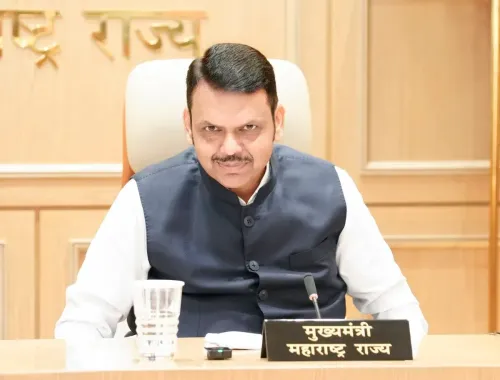
CM Devendra Fadnavis chaired the 'Drug-Free Maharashtra: Strategy and Action Plan' meeting in Mumbai on 16 July 2026 .
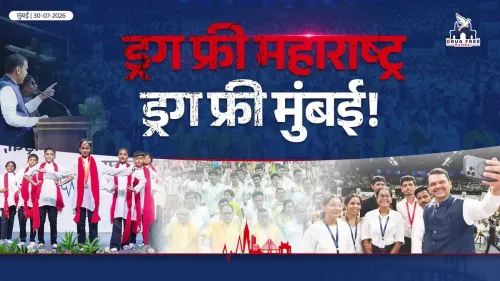
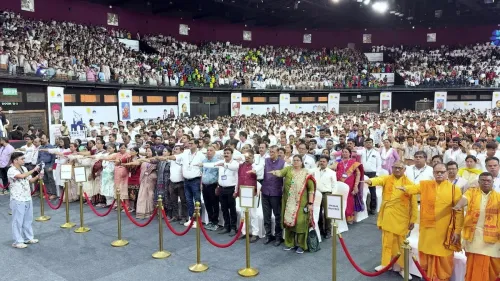
Drug awareness modules will be introduced for students of Classes 7 to 10 ; schools and colleges to adopt Drug-Free Campus guidelines .
A network of rehabilitation centres will be established across Maharashtra, with dedicated centres in all government and major private hospitals.
Fast Track Courts will be set up for speedy disposal of drug-related cases, with strengthened prosecution under the NDPS Act, 1985 .
Performance incentives announced for enforcement officers and a citizen reward scheme for public contributions to the mission.
All government departments directed to coordinate in dismantling the full narcotics ecosystem, covering both natural and synthetic drugs .
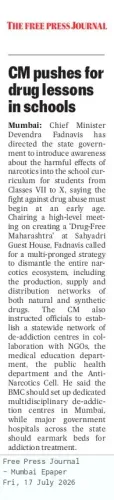
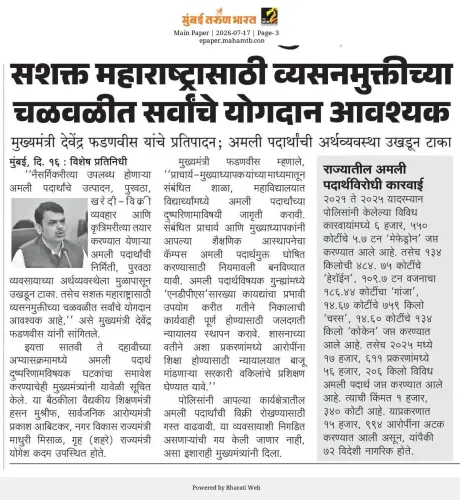
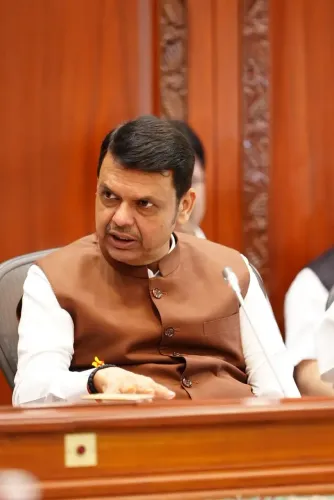
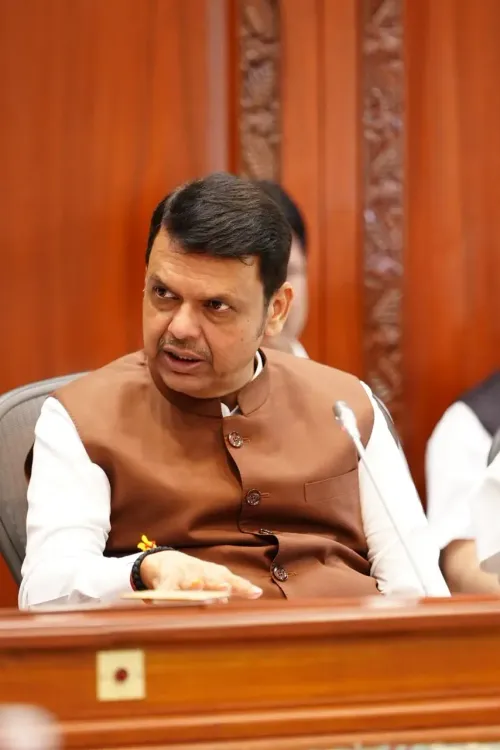
Maharashtra Chief Minister Devendra Fadnavis on Thursday, 16 July 2026, chaired a high-level meeting in Mumbai to finalise the 'Drug-Free Maharashtra: Strategy and Action Plan', directing all government departments to work in coordinated action to dismantle the state's narcotics ecosystem — from production and trafficking of naturally available drugs to the manufacture and distribution of synthetic substances.
Context
Addressing the meeting, Fadnavis described a drug-free Maharashtra as 'ek samuhik abhiyan' — a collective mission — requiring participation from every section of society. The plan targets both ends of the narcotics chain: supply disruption through law enforcement and demand reduction through education and rehabilitation. Minister Prakash Abitkar, Minister of State Madhuritai Misal, Minister of State Yogesh Kadam, and senior officials were present at the meeting.
Policy Backdrop
The strategy draws on the framework of the Narcotic Drugs and Psychotropic Substances (NDPS) Act, 1985, India's primary federal legislation governing drug offences, under which prosecution is now set to be strengthened in Maharashtra. The plan also aligns with the national Nasha Mukt Bharat Abhiyan, a drug demand-reduction campaign launched in 2020, extending its principles into a state-level institutional architecture.
On the prevention side, Fadnavis proposed introducing drug awareness modules for students of Classes 7 to 10 and directed schools and colleges to adopt Drug-Free Campus guidelines — an early-intervention approach targeting adolescents before habitual use can take hold. On rehabilitation, he instructed the establishment of a network of rehabilitation centres across Maharashtra, with dedicated centres mandated in all government hospitals and major private hospitals.
Enforcement and Incentives
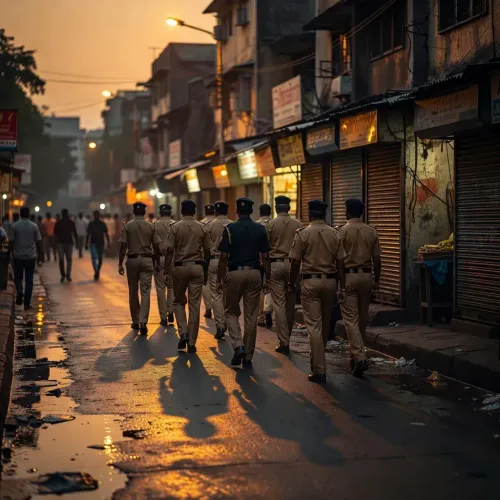
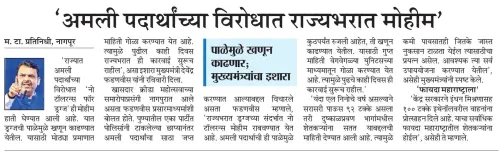
The enforcement pillar of the plan includes increased police patrolling in identified hotspots, the establishment of Fast Track Courts for speedy disposal of drug-related cases, and the dismantling of entire supply chains against drug peddlers. Stricter prosecution under the NDPS Act is also on the agenda.
In a notable addition, Fadnavis announced performance incentives for police and enforcement officers who deliver exceptional results in drug enforcement, alongside a citizen reward scheme for individuals making meaningful contributions towards a drug-free state. The twin incentive structure is designed to mobilise both institutional and community-level participation.
Stakeholders and Impact
The plan's most immediate beneficiaries are students across Maharashtra's secondary schools, who will receive structured awareness inputs, and drug dependents who will gain access to a wider rehabilitation network. Law enforcement agencies will see expanded operational mandates and dedicated judicial infrastructure through the fast-track court mechanism.
For communities in identified hotspot areas, increased patrolling and a citizen reward scheme create direct channels for public participation. The inter-departmental coordination directive signals that the plan is intended to be a whole-of-government effort rather than a police-led operation alone.
What's Next
Key milestones to watch include the rollout of Class 7–10 drug awareness modules ahead of the next academic session, operationalisation of Drug-Free Campus guidelines across educational institutions, and the establishment of rehabilitation centres in government hospitals across the state. The speed at which Fast Track Courts for NDPS cases are constituted will be an early indicator of the plan's enforcement seriousness. Maharashtra's framework, if implemented at scale, could serve as a template for other Indian states grappling with rising synthetic drug use.
Point of View
Using a whole-of-government frame — inter-departmental coordination, education, rehabilitation, enforcement — to signal administrative seriousness beyond routine law-and-order messaging. The inclusion of citizen reward schemes and officer performance incentives is a deliberate attempt to build a participatory coalition rather than rely solely on police action, which has historically been the default posture. Aligning the plan with the NDPS Act and the national Nasha Mukt Bharat Abhiyan also gives the state initiative federal legitimacy. Whether the rehabilitation infrastructure and fast-track courts materialise at the pace announced will be the real test of political will behind the optics.
NationPress
15 Oct 2026
Frequently Asked Questions
What is the Drug-Free Maharashtra action plan announced by CM Fadnavis?
It is a comprehensive state strategy announced on 16 July 2026 that combines school-level drug awareness for Classes 7 to 10 , a state-wide network of rehabilitation centres, fast-track courts for drug cases, stricter enforcement under the NDPS Act , and incentive schemes for officers and citizens contributing to anti-narcotics efforts.
What are Drug-Free Campus guidelines in Maharashtra?
Drug-Free Campus guidelines are directives issued to schools and colleges in Maharashtra requiring them to adopt institutional policies and awareness programmes to prevent drug use among students, as part of the broader Drug-Free Maharashtra initiative announced by CM Devendra Fadnavis .
What is the NDPS Act and how does it apply to Maharashtra's drug plan?
The Narcotic Drugs and Psychotropic Substances (NDPS) Act, 1985 is India's central law governing drug offences. Maharashtra's new action plan directs strengthened prosecution of drug peddlers and traffickers under this Act, alongside the establishment of fast-track courts for quicker disposal of NDPS cases.
Will there be rehabilitation centres for drug addicts in Maharashtra?
Yes. CM Fadnavis has instructed the establishment of a network of rehabilitation centres across Maharashtra, with dedicated centres mandated in all government hospitals and major private hospitals across the state.
What incentives are offered under the Drug-Free Maharashtra scheme?
CM Fadnavis announced performance-based incentives for law enforcement and drug enforcement officers who deliver exceptional results, as well as a separate citizen reward scheme for members of the public who make meaningful contributions to the Drug-Free Maharashtra mission.