Delhi University students intensify protests over women's safety after Kalkaji gang-rape
Synopsis
A gang-rape near Kalkaji's Aastha Kunj Park this month has triggered one of Delhi University's largest student-led protests in years. Thousands have marched through North Campus demanding government accountability — and the slogans mixing Delhi humour with raw fury signal this movement isn't fading quietly.
Key Takeaways
Delhi University students intensified protests on 30 September 2026 over rising crimes against women in Delhi .
The trigger was the gang-rape of a 17-year-old girl near Kalkaji's Aastha Kunj Park earlier in September.
Participating colleges include Miranda House , Lady Shri Ram College , Gargi College , Kamala Nehru College , and Shyama Prasad Mukherji College for Women .
Hundreds gathered at the Faculty of Arts on 28 September ; thousands later marched through North Campus .
Students are demanding government accountability, strict action against perpetrators, and the unrestricted right of women to move freely in public spaces.
No formal government response to the protests had been reported as of 30 September .
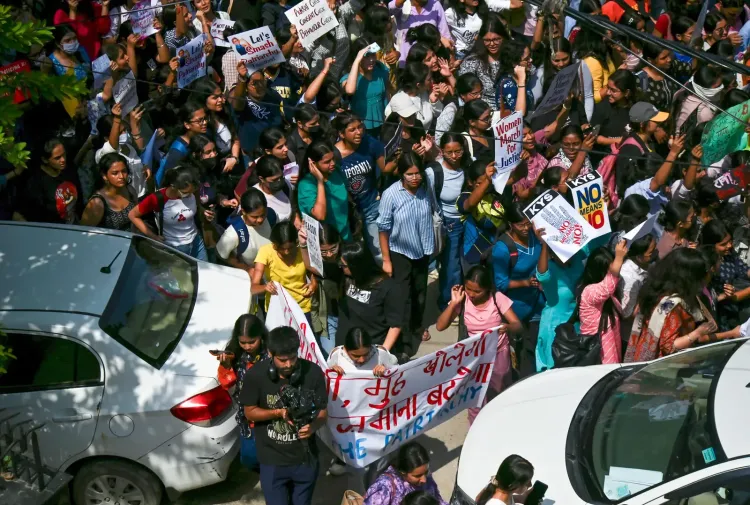
Students from Delhi University (DU) escalated their protests on 30 September 2026 over rising crimes against women in the national capital, marching through campus with posters and placards, challenging restrictions placed on women's movement, and demanding government accountability for incidents of sexual violence.
What Sparked the Protests
The demonstrations follow the gang-rape of a 17-year-old girl near Kalkaji's Aastha Kunj Park earlier this month — an incident that has reignited deep-seated anger among students over the safety of women in Delhi. The assault renewed long-standing concerns about the freedom of women to move through the city without fear, and transformed what had begun as separate, college-level demonstrations into a coordinated, university-wide movement.
Key Developments on Campus
The protests have drawn students from multiple women's colleges, including Shyama Prasad Mukherji College for Women, Miranda House, Lady Shri Ram College (LSR), Kamala Nehru College, and Gargi College. Hundreds gathered at the Faculty of Arts on 28 September, and thousands subsequently marched through North Campus in what observers describe as one of the largest student mobilisations on women's safety at Delhi University in recent years.
The protests have attracted widespread attention for their sharp slogans, humour, and wordplay — blending satire with direct confrontation. Among the most-shared lines is the slogan, '1 kachori, 2 samosa, in mardon ka kya bharosa'. Other placards read 'My favourite season will be the fall of patriarchy' and 'Abort Patriarchy', combining sarcasm with pointed political messaging.
What the Students Are Demanding
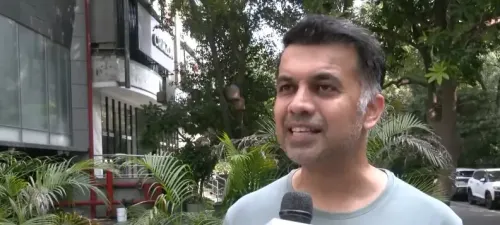
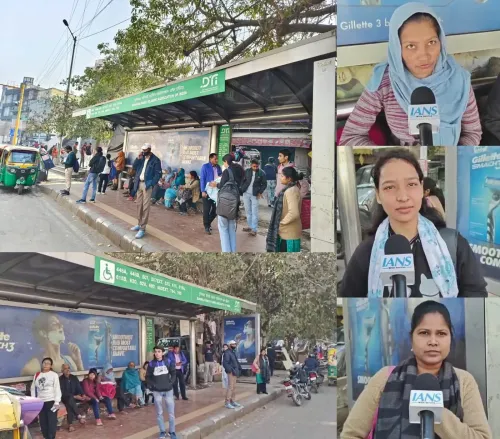
'We want the government to take responsibility for all the rape cases. Why can't we go outside? Being able to walk safely outside is our right, and we are here to demand it,' one student said. Another protester questioned why women should be forced to remain indoors: 'We are here out on the streets for our safety. If girls were safe here, a gang rape would not have happened in Kalkaji. Till when will we stay indoors? Why should we be confined to our homes?'
A third student alleged that the administration had failed to act: 'The government has not done anything concrete for the safety of women. We want to be able to walk freely. We want strict action against the rapists.'
The Broader Context
Delhi has consistently ranked among Indian cities with the highest reported rates of crimes against women, according to National Crime Records Bureau (NCRB) data. The Kalkaji incident is not isolated — it follows a pattern of cases that have periodically triggered mass protests, most notably after the December 2012 Nirbhaya gang-rape, which led to sweeping amendments in sexual assault laws. Critics argue that legislative change has not translated into measurable improvement in women's safety on Delhi's streets.
This comes amid broader national conversations about policing, urban infrastructure, and the adequacy of fast-track courts in handling sexual violence cases. The student-led protests at DU signal that a new generation of women is no longer willing to accept institutional inaction as the default response.
What Happens Next
As of 30 September, no formal government response to the student protests had been reported. Activists and student union leaders have indicated they plan to continue and expand demonstrations until concrete measures are announced. The movement's trajectory — and whether it prompts a political or administrative response — will be closely watched in the days ahead.
Point of View
Multiple women's colleges coordinating — suggests the Kalkaji incident has crossed a threshold from news event to political flashpoint. Yet the absence of any government response as of 30 September is telling: Delhi has been here before, and the pattern of institutional silence followed by incremental measures is well established. The real question is whether this movement can sustain pressure long enough to demand structural outcomes — fast-track court timelines, street-lighting audits, police beat accountability — rather than symbolic condemnation. A generation that grew up after Nirbhaya, and watched those reforms stall, is unlikely to be satisfied with another round of committee announcements.
NationPress
30 Sept 2026
Frequently Asked Questions
Why are Delhi University students protesting?
Delhi University students are protesting over the gang-rape of a 17-year-old girl near Kalkaji's Aastha Kunj Park in September 2026, demanding government accountability for crimes against women and the right of women to move freely and safely in public spaces.
Which colleges are participating in the Delhi University women's safety protests?
The protests have brought together students from Shyama Prasad Mukherji College for Women, Miranda House, Lady Shri Ram College (LSR), Kamala Nehru College, and Gargi College, among others across Delhi University.
How large have the protests become?
Hundreds of students gathered at the Faculty of Arts on 28 September 2026, and thousands subsequently marched through North Campus — making it one of the largest student mobilisations on women's safety at Delhi University in recent years.
What are the students specifically demanding?
Students are demanding that the government take formal responsibility for rape cases, ensure women's right to move freely in public spaces, and enforce strict legal action against those accused of sexual violence.
Has the government responded to the protests?
As of 30 September 2026, no formal government response to the student demonstrations had been reported. Student leaders have indicated the protests will continue until concrete measures are announced.