ECI defends ECINet as decentralised, says HQ has no roll access
Synopsis
Two sitting Election Commissioners raised the alarm over possible centralisation of India's electoral roll databases — and the ECI hit back with a detailed defence of ECINet's decentralised architecture. With over 68 lakh cyber hits blocked on counting day alone, the episode reveals both the stakes of digital election infrastructure and rare internal friction at the top of India's poll body.
Key Takeaways
The Election Commission of India asserted on 24 September 2026 that ECINet is a decentralised platform where only designated field officials can perform statutory functions on electoral rolls.
Election Commissioners Sukhbir Singh Sandhu and Vivek Joshi had reportedly raised concerns about the gradual centralisation of electoral roll databases.
Access to ECINet is role-specific, granted via unique IDs and passwords to BLOs, AEROs, EROs, DEOs, and CEOs — no HQ officer can override this.
The platform is built in accordance with the Representation of the People Acts of 1950 and 1951 .
More than 68 lakh malicious cyber hits were blocked on the counting day of the 2026 Assembly elections .
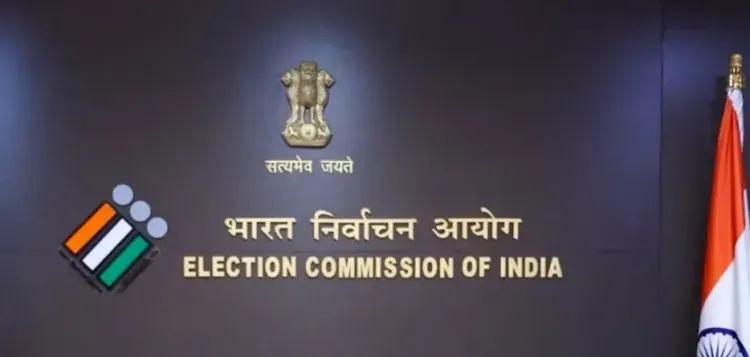
The Election Commission of India (ECI) on 24 September 2026 firmly defended its ECINet digital platform, asserting that the system is decentralised by design and that no officer at the Commission's headquarters in New Delhi can perform statutory functions on electoral rolls — only field-level designated election officials can. The clarification addresses mounting questions about centralisation of electoral databases amid concerns raised by sitting Election Commissioners.
How ECINet Access Works
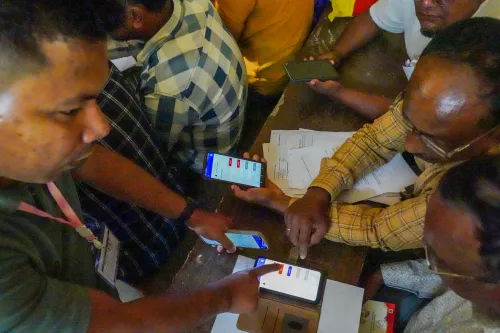
According to ECI officials, the platform assigns role-specific access through unique IDs and passwords to a defined hierarchy of officials. Booth Level Officers (BLOs), Assistant Electoral Registration Officers (AEROs), Electoral Registration Officers (EROs), District Election Officers (DEOs), and Chief Electoral Officers (CEOs) can each perform only their respective statutory functions on ECINet.
'No one else can perform their statutory function on ECINet, including any other officer of the Election Commission,' EC sources said, stressing that access is strictly linked to an official's designated role. Officials maintained that ECINet is a technological facilitator — not an authority-altering mechanism — built to comply with the Representation of the People Acts of 1950 and 1951.
What Triggered the Clarification
The ECI's statement comes in response to reported concerns raised by Election Commissioners Sukhbir Singh Sandhu and Vivek Joshi over what was described as the gradual centralisation of electoral roll databases and of access available to state-level officials. The two Commissioners had reportedly flagged that centralised digital infrastructure could, in practice, concentrate control over sensitive electoral data, undermining the statutory autonomy of field officers.
Notably, this is a rare instance of internal dissent within the Commission reaching the public domain, lending additional weight to the concerns being addressed.
Cybersecurity: 68 Lakh Attacks Blocked on Counting Day
ECI officials also highlighted the platform's cybersecurity architecture, noting that more than 68 lakh malicious cyber hits were effectively countered on the counting day of the 2026 Assembly elections, when ECINet and related platforms faced exceptionally heavy traffic. The Commission said security arrangements are designed to ensure that only authorised officials can access and execute functions assigned to them under electoral laws.
Officials described the security framework as an active layer of protection against both external attacks and unauthorised internal access.
The Broader Governance Question
The episode surfaces a wider tension in India's electoral administration: as election management increasingly migrates to digital platforms, the question of where effective control resides — in statute or in system architecture — becomes consequential. The ECI's position is that legal authority remains with field officers; critics and the dissenting Commissioners have suggested that technical control of the platform could, in practice, override that statutory intent.
The Commission has not indicated whether any structural changes to ECINet's access model are under consideration, and the internal deliberations between the Election Commissioners remain ongoing.
Point of View
Not from the opposition. When sitting Election Commissioners raise centralisation concerns about the Commission's own digital infrastructure, that is not routine institutional friction — it is a structural warning. The ECI's reassurance that statutory powers remain with field officers is legally sound, but it sidesteps the more pointed question: does technical administration of ECINet vest effective control in headquarters regardless of what the statute says? India's electoral credibility depends on this distinction being demonstrable, not just asserted.
NationPress
24 Sept 2026
Frequently Asked Questions
What is ECINet and what is the controversy around it?
ECINet is the Election Commission of India's digital platform that facilitates electoral roll management. Controversy arose after Election Commissioners Sukhbir Singh Sandhu and Vivek Joshi reportedly raised concerns that the platform was gradually centralising electoral roll databases, potentially reducing the statutory autonomy of state-level field officers.
Who can access ECINet and perform functions on electoral rolls?
Only designated field officials — Booth Level Officers (BLOs), Assistant Electoral Registration Officers (AEROs), Electoral Registration Officers (EROs), District Election Officers (DEOs), and Chief Electoral Officers (CEOs) — can perform statutory functions on ECINet using their unique IDs and passwords. The ECI has stated that no officer at headquarters, including senior Commission officials, can access or alter electoral rolls through the platform.
How secure is ECINet against cyber threats?
According to the ECI, more than 68 lakh malicious cyber hits were successfully blocked on the counting day of the 2026 Assembly elections alone. The Commission maintains a dedicated security architecture to protect ECINet from unauthorised access and external attacks.
Does ECINet change the statutory powers of election officials?
No, according to the ECI. Officials stated that ECINet does not alter the statutory powers assigned to election officials at various levels under the Representation of the People Acts of 1950 and 1951. It is described strictly as a technology platform to facilitate functions already defined in law.
What is the significance of Election Commissioners raising internal concerns?
It is relatively rare for sitting Election Commissioners to publicly flag concerns about the Commission's own operational systems. The fact that Commissioners Sandhu and Joshi reportedly raised centralisation concerns signals potential internal disagreement over how digital infrastructure is being managed, making the ECI's clarification more politically significant than a routine technical statement.