ECI Suspends Bengal Police OC Sandeep Sarkar Before Phase 2 Polls
Synopsis
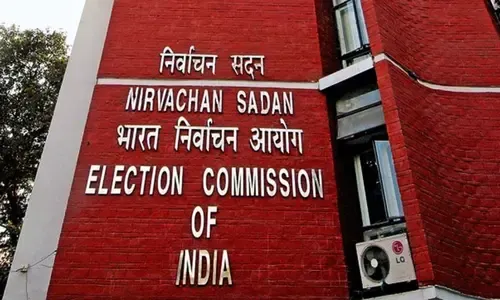
The Election Commission of India suspended Hingalganj Police Station OC Sandeep Sarkar for duty negligence — hours before Union Home Minister Amit Shah's rally in the same constituency. With Phase 2 polls on April 29 covering 142 seats and Phase 1 recording a stunning 93% turnout, the ECI is leaving nothing to chance on law enforcement.
Key Takeaways
Sandeep Sarkar , Officer-in-Charge of Hingalganj Police Station in North 24 Parganas , has been suspended by the ECI for negligence in duty.
The suspension order was issued on Thursday night, April 24 , mandating immediate removal and punitive action against Sarkar.
Union Home Minister Amit Shah was scheduled to hold a public rally in Hingalganj on April 25 , the same day the suspension was announced.
Hingalganj is among 142 constituencies going to polls in West Bengal Phase 2 elections on April 29, 2025 .
Phase 1 of the Bengal polls recorded a near 93 percent voter turnout , with final figures still awaited from the ECI.
West Bengal election results across both phases will be declared on May 4, 2025 .
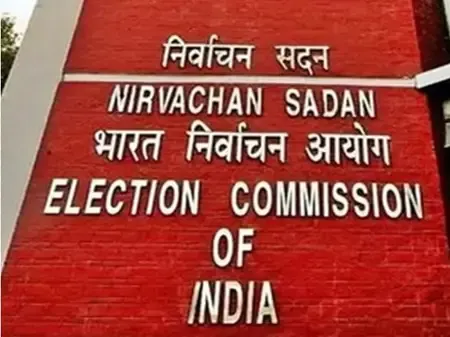
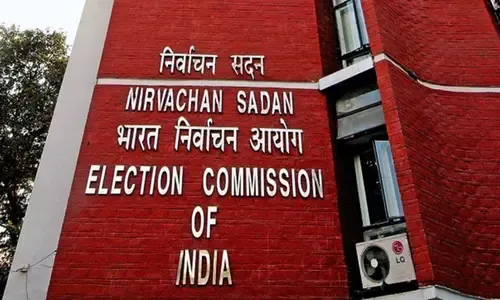
The Election Commission of India (ECI) has suspended Sandeep Sarkar, Officer-in-Charge of Hingalganj Police Station in West Bengal's North 24 Parganas district, citing negligence in duty. The suspension order, issued on Thursday night (April 24), mandates his immediate removal and punitive action, signalling the Commission's zero-tolerance stance on law enforcement lapses ahead of the April 29 Phase 2 Assembly elections.
Suspension Order and Immediate Action
The ECI's directive, addressed to State Chief Secretary Dushyant Nariala, demands that Sarkar be replaced without delay and that punitive measures be initiated against him. While the formal order did not explicitly detail the specific act of negligence, Commission officials confirmed it relates to dereliction of official duty.
The Commission has further instructed that the suspended officer must not be assigned any election-related responsibilities within the state — a standard but firm condition attached to all such removals during the poll period.
Amit Shah Rally and Electoral Significance of Hingalganj
The timing of the suspension is politically significant. Union Home Minister Amit Shah was scheduled to address a public rally in Hingalganj on Friday, April 25. The ECI removed the local police station chief just hours before one of the country's most high-profile political figures was set to campaign in the same constituency.
Hingalganj is among the 142 constituencies going to polls in the second phase of the West Bengal Assembly elections on April 29. The removal is widely seen as a pre-emptive measure to tighten law and order and ensure impartial policing during the election campaign and voting day.
Pattern of ECI Crackdowns on Bengal Bureaucracy
This suspension is not an isolated incident. Since the announcement of the West Bengal Assembly elections, the ECI has systematically reshuffled bureaucrats and IPS officers across the state. Multiple police officers and administrative officials have been removed from their posts for allegedly compromising electoral neutrality or displaying partisan conduct.
This pattern reflects a broader institutional concern about the independence of West Bengal's administrative machinery during elections — a concern that has historically surfaced in every major poll cycle in the state. Critics and opposition parties have long argued that the ruling party exercises disproportionate influence over the state's police and civil services.
Phase 1 Turnout and What Phase 2 Holds
The first phase of the West Bengal Assembly elections recorded a near 93 per cent voter turnout — a figure described as enthusiastic and unprecedented. Final tabulation from the ECI remains pending. The robust participation has raised the electoral stakes significantly for Phase 2 on April 29, covering the remaining 142 constituencies.
Election results for both phases are scheduled to be declared on May 4. With voter enthusiasm running high and the ECI actively enforcing administrative discipline, Phase 2 is expected to be closely monitored for any law and order incidents.
Broader Implications for Poll Integrity
The ECI's aggressive stance on removing non-compliant officers sends a clear message: electoral accountability extends to the ground-level enforcement machinery. By suspending a police OC in a constituency where a senior Union Minister is campaigning, the Commission demonstrates institutional impartiality — or at least the intent of it.
Analysts note that such pre-poll administrative actions, while procedurally routine, carry significant symbolic weight in a politically charged state like West Bengal, where violence and booth management have historically influenced outcomes. The Commission's continued reshuffling underscores its resolve to conduct a free and fair election, with May 4 as the decisive date for the state's political future.
Point of View
Depending on which side of the political fence you occupy. What is undeniable is the pattern: Bengal's administrative machinery has long been accused of partisan alignment, and the Commission's serial reshuffling of IPS officers and bureaucrats is an implicit indictment of that system. The near 93 percent Phase 1 turnout suggests voters are engaged and watching — making ground-level law enforcement credibility more critical than ever. The real test will be whether these administrative interventions translate into genuinely free polling on April 29, or remain optics.
NationPress
21 Sept 2026
Frequently Asked Questions
Why was Hingalganj Police OC Sandeep Sarkar suspended by ECI?
The Election Commission of India suspended Sandeep Sarkar, Officer-in-Charge of Hingalganj Police Station, for negligence in duty ahead of the April 29 West Bengal Phase 2 elections. The suspension order was issued on Thursday night and also mandated punitive action against him.
What is the significance of the Hingalganj suspension before Phase 2 polls?
Hingalganj is one of 142 constituencies voting in West Bengal's Phase 2 elections on April 29. The suspension is seen as a move to enforce law and order neutrality, especially since Union Home Minister Amit Shah was scheduled to hold a rally there on April 25.
How many officers has the ECI removed in West Bengal during these elections?
The ECI has removed several bureaucrats and IPS officers from their posts in West Bengal since the election schedule was announced. All removed officers have been barred from taking up any election-related duties in the state.
What was the voter turnout in Phase 1 of West Bengal Assembly elections?
Phase 1 of the West Bengal Assembly elections recorded a near 93 percent voter turnout, described as enthusiastic and unprecedented. Final tabulation from the ECI was still awaited at the time of reporting.
When will West Bengal election results be declared?
The results of the West Bengal Assembly elections are scheduled to be declared on May 4. Phase 2 polling for the remaining 142 constituencies is set for April 29.