ED arrests 4 in Telangana call centre scam that duped 549 US nationals of ₹261 crore

Synopsis
A transnational fraud ring ran fake US-government call centres from India, stealing ₹261 crore from at least 549 Americans — many elderly — by impersonating DEA and Justice Department officers. The ED's latest four arrests take the total to seven, with forensic evidence from 79 seized devices and a money trail spanning Dubai, Hong Kong and crypto networks now under scrutiny.
Key Takeaways
The ED Hyderabad Zonal Office arrested Harshil Nayanbhai Raval , Jaswant Singh , Chetan Munjal , and Pranav Pithadia under PMLA, 2002 , taking total arrests in the case to seven .
The syndicate defrauded at least 549 US nationals of approximately ₹261 crore (US$ 27.39 million) between July 2025 and September 2026 .
Callers impersonated officers of the DEA, Department of Justice, FTC and US Treasury , using forged IDs, badges and court documents to coerce victims.
Searches in Patiala, Pune and Chandigarh on 15 September uncovered three live call centres with around 220 workers ; forensics completed on 79 digital devices .
Proceeds were laundered through Dubai and Hong Kong companies, hawala, angadia tokens and USDT crypto before being invested in India.
Lead lists of 20 lakh US phone numbers , many belonging to elderly individuals born in the 1940s , were used with auto-diallers on servers in Germany and Finland .
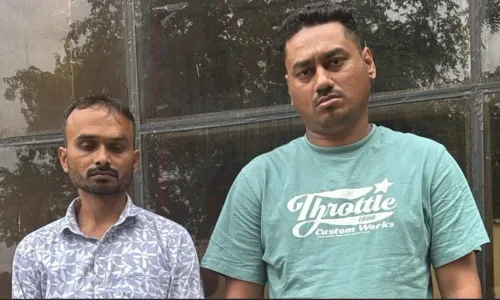
The Enforcement Directorate (ED) has arrested four key accused — Harshil Nayanbhai Raval, Jaswant Singh, Chetan Munjal, and Pranav Pithadia — under the Prevention of Money Laundering Act (PMLA), 2002, in connection with a sprawling fake call centre scam that defrauded hundreds of US nationals. The arrests, made by the ED Hyderabad Zonal Office, bring the total number of persons detained in the case to seven. All four have been produced before the Special Court in Nampally, which remanded them to judicial custody.
How the Scam Operated
According to the agency, the syndicate ran organised 'calling floors' — elaborate fake call centres — staffed by employees playing three distinct roles: 'dialers' who made first contact with victims, 'bankers' who assessed a target's savings, and 'closers' who impersonated US government officers to extract money. Leads were sourced from lists of approximately 20 lakh US telephone numbers, complete with names, addresses and ages — many belonging to elderly individuals born in the 1940s — loaded onto auto-diallers hosted on servers in Germany and Finland.
Victims received fake alerts about unauthorised purchases, refunds, or computer viruses, and were then directed to call a toll-free helpline answered from India. Callers then posed as officers of the US Drug Enforcement Administration (DEA), Department of Justice, Federal Trade Commission (FTC), and Department of the Treasury, presenting forged identity cards, badges, seizure notices and court orders. Victims were told their bank accounts were linked to drug trafficking or money laundering, threatened with arrest and the freezing of all their savings, and instructed to keep the matter secret while 'safeguarding' funds with the purported 'government'.
How Victims Were Pressured to Pay
The ED said victims were coerced through multiple payment channels: buying gold bars, handing over cash to pick-up persons, hiding currency in courier parcels, wiring funds to US-based money mule accounts, depositing cash at Bitcoin ATMs, and purchasing gift cards. Funds collected in the United States were then funnelled through companies in Dubai and Hong Kong, and routed back to India via hawala, angadia tokens, and crypto-assets including USDT. Dollars were converted at a daily rupee rate before the proceeds were invested in properties, gold, vehicles and businesses in India.
Scale of the Operation
The ED has so far identified 927 approved collections worth approximately US$ 27.39 million (about ₹261 crore) between July 2025 and September 2026. A total of 549 victims in the US have been named, and 6,463 US phone numbers were called or messaged by the syndicate. Notably, investigators found that Pranav Pithadia owned and managed the calling floors in Patiala.
Searches conducted on 15 September in Patiala, Pune, and Chandigarh uncovered three live call centres with roughly 220 persons working at the time. Forensic examination has been completed on 79 digital devices — including 65 mobile phones, 13 laptops and computers, and one data storage disk — which contained chats, ledgers, calling data, victim records and crypto wallets belonging to the syndicate.
Earlier Arrests and Ongoing Investigation
Prior to the latest round, the ED had arrested Vikas Nimar, Tarachand Nimar, and Mohd. Irfan Ansari between July and August in the same case. The investigation, which covers offences of cheating, forgery and criminal conspiracy, is continuing as the agency works to identify additional proceeds of crime, trace the full money trail and determine the involvement of further individuals and entities.
This case reflects a broader pattern of India-based call centre frauds targeting elderly Americans — a category of cybercrime that Indian law enforcement agencies have been pursuing with increasing cross-border coordination. With the money trail extending across the US, UAE, Hong Kong and multiple crypto corridors, the full scale of the syndicate is likely still to emerge.
Point of View
549 named victims, 20 lakh lead numbers, servers on two continents and a laundering corridor spanning four countries — signals a level of institutional sophistication that goes well beyond a rogue call centre. The involvement of crypto corridors, Dubai shell companies and hawala points to a parallel financial infrastructure that the ED's money-laundering lens is better suited to pursue than conventional cybercrime units. What mainstream coverage underweights is the victim profile: many were born in the 1940s, making this a targeted predatory operation against the elderly, not incidental fraud. The real accountability question is whether the seven arrests so far have reached the financiers and infrastructure operators, or only the floor-level operators.
NationPress
4 Nov 2026
Frequently Asked Questions
What is the Telangana call centre scam that the ED has been investigating?
It is a transnational money laundering case in which India-based fake call centres defrauded at least 549 US nationals of approximately ₹261 crore by impersonating US government agencies such as the DEA, Department of Justice, FTC and Treasury Department. Victims were threatened with arrest and coerced into handing over cash, gold or crypto.
Who has the ED arrested so far in this case?
A total of seven persons have been arrested. The latest four — Harshil Nayanbhai Raval, Jaswant Singh, Chetan Munjal and Pranav Pithadia — were arrested under PMLA, 2002 and remanded to judicial custody by the Special Court in Nampally. Earlier, Vikas Nimar, Tarachand Nimar and Mohd. Irfan Ansari were arrested between July and August.
How did the scammers contact and deceive US victims?
Using auto-diallers loaded with 20 lakh US phone numbers hosted on servers in Germany and Finland, callers posed as DEA, Justice Department and Treasury officials with forged identity cards and court documents. Victims were told their accounts were linked to drugs or money laundering and were threatened with arrest, then directed to pay through cash, gold, courier parcels, Bitcoin ATMs or gift cards.
How was the money laundered back to India?
Funds collected in the US were routed through companies in Dubai and Hong Kong, and transferred to India via hawala, angadia tokens and USDT cryptocurrency. The proceeds were then invested in properties, gold, vehicles and businesses in India.
What evidence has the ED collected and what happens next?
Forensic analysis has been completed on 79 digital devices — 65 mobile phones, 13 laptops and computers, and one data storage disk — containing chats, ledgers, calling data, victim records and crypto wallets. The ED has stated that the investigation is continuing to identify further proceeds of crime and trace additional individuals involved in the syndicate.