ED arrests two in Dawood aide Salim Dola's drug syndicate crackdown

Synopsis
The ED's arrest of two key operatives in Salim Dola's drug network exposes the full architecture of a Dawood-linked syndicate — from precursor chemical procurement and clandestine Mephedrone manufacturing to hawala money-laundering and benami property acquisition in India and Dubai. With 21 locations already searched and fresh PMLA arrests, investigators appear to be systematically dismantling the financial backbone of one of India's most dangerous organised crime webs.
Key Takeaways
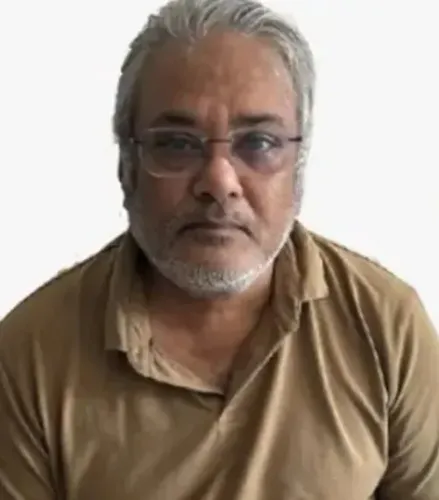
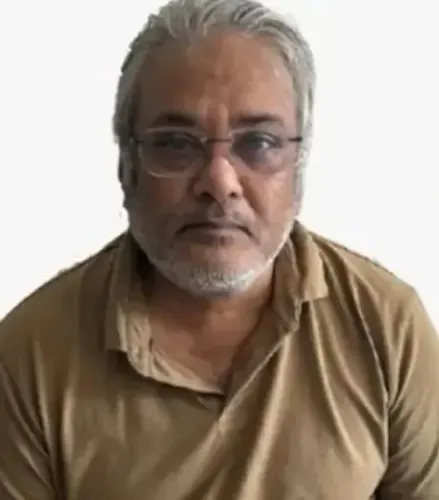
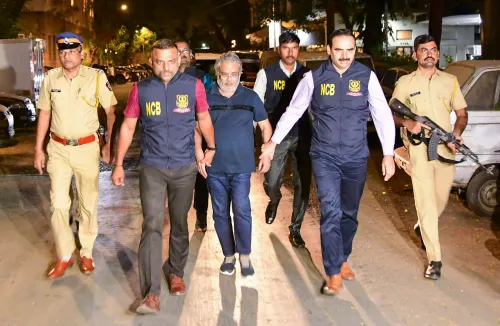
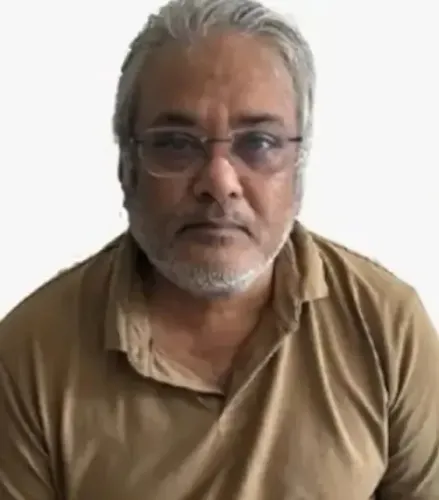
The ED Mumbai Zonal Office arrested Pravin alias Nagesh Ramchandra Shinde and Brijesh Kanjibhai Moradiya on 9 October 2026 under the PMLA, 2002 .
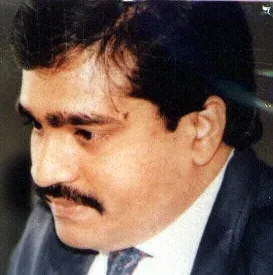
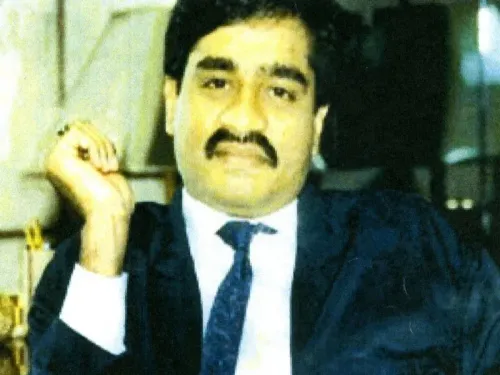
Both are accused of key roles in a trans-national narcotics syndicate allegedly run by Salim Ismail Dola , aide of fugitive gangster Dawood Ibrahim .
Shinde allegedly managed clandestine Mephedrone (MD) manufacturing and laundered proceeds through benami properties.
Moradiya allegedly arranged precursor chemical procurement, routing funds via Angadiya channels and multiple layered accounts.
Earlier searches at 21 locations in Mumbai, Surat, Ankleshwar, and Rajkot on 2–3 June 2026 yielded seizures of approximately ₹1.33 crore and $2,200 .
Documents for properties in India and Dubai worth several crores were also recovered, indicating offshore investment of drug proceeds.
The Enforcement Directorate (ED) on 9 October 2026 arrested two individuals as part of a sweeping crackdown on a trans-national narcotics trafficking syndicate allegedly operated by Salim Ismail Dola, a close aide of fugitive gangster Dawood Ibrahim. The arrests, made by the ED Mumbai Zonal Office, mark the latest enforcement action against what investigators describe as a highly organised criminal network spanning drug manufacturing, hawala financing, and cross-border smuggling.
Who Was Arrested
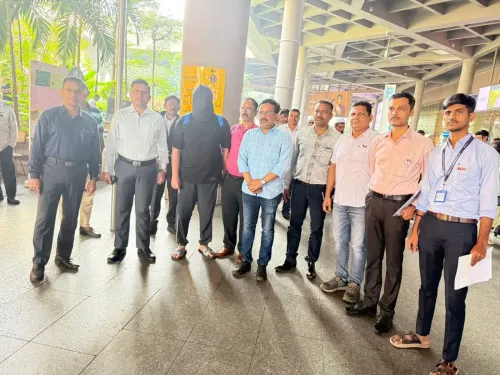
The two accused taken into custody are Pravin alias Nagesh Ramchandra Shinde and Brijesh Kanjibhai Moradiya, both arrested under Section 19 of the Prevention of Money Laundering Act (PMLA), 2002. The ED's action was triggered by multiple First Information Reports (FIRs) registered by law enforcement agencies across Mumbai against Salim Dola and associates for offences related to illicit trafficking of narcotic drugs and psychotropic substances.
What the Investigation Revealed
According to the ED, Shinde was directly involved in the clandestine manufacture of Mephedrone (MD) — a synthetic narcotic — and in managing the proceeds generated from its illicit sale. Investigators allege the drug money was subsequently used to acquire immovable properties and other assets in the names of individuals closely linked to him.
Moradiya, on the other hand, allegedly arranged the procurement and supply of precursor chemicals used in MD production. Cash allegedly received from Salim Dola through the Angadiya channel — an informal money-transfer system — was reportedly routed through multiple third-party and family accounts before being funnelled to chemical companies to facilitate the purchases. Moradiya and his associates are also alleged to have received amounts under the guise of commission from chemical sales, which were then further layered and utilised.
Scale and Structure of the Syndicate
The ED's investigation has laid bare what it describes as a full-spectrum criminal enterprise engaged in: procurement of precursor chemicals; clandestine manufacture and interstate distribution of MD; international trafficking of narcotic substances; hawala-based collection and layering of crime proceeds; and acquisition of benami properties — assets held in others' names — worth several crores of rupees.
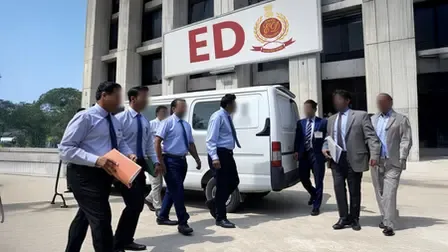
Notably, this is not the first enforcement action in the case. The ED had earlier conducted search operations at 21 locations across Mumbai, Surat, Ankleshwar, and Rajkot on 2 June 2026 and 3 June 2026, targeting every node of the syndicate — from precursor chemical suppliers and manufacturers to hawala operators and benami property holders.
Assets Seized
The June searches resulted in seizure and freezing of cash, foreign currency, gold bars, and bank balances valued at approximately ₹1.33 crore, along with $2,200 in foreign currency. Investigators also recovered documents relating to immovable properties worth several crores of rupees located in both India and Dubai, pointing to substantial offshore investments allegedly funded by drug proceeds.
Broader Significance
The crackdown is part of a wider effort by Indian agencies to dismantle the financial infrastructure of organised crime networks with alleged links to Dawood Ibrahim, who has been a designated global terrorist and remains on India's most-wanted list. This comes amid heightened inter-agency coordination between the ED, Narcotics Control Bureau (NCB), and Mumbai Police on money laundering cases tied to drug trafficking. The latest arrests suggest investigators are moving up the chain from street-level operatives to those managing finances and raw material supply — a strategy aimed at starving the syndicate of its operational capacity.
Further arrests and asset attachments in the case are considered likely as the investigation progresses.
Point of View
While significant, should not overshadow the systemic gap it exposes — India's informal Angadiya network continues to serve as a near-invisible conduit for organised crime proceeds. Until that parallel financial channel faces tighter regulatory scrutiny, dismantling individual nodes will have limited long-term deterrent effect.
NationPress
9 Oct 2026
Frequently Asked Questions
Who has the ED arrested in the Salim Dola drug syndicate case?
The ED arrested Pravin alias Nagesh Ramchandra Shinde and Brijesh Kanjibhai Moradiya on 9 October 2026 under Section 19 of the PMLA, 2002. Both are accused of playing key roles in a trans-national narcotics network allegedly operated by Salim Ismail Dola, an associate of fugitive gangster Dawood Ibrahim.
What is the role of Salim Ismail Dola in this case?
Salim Ismail Dola is alleged to be the operator of a trans-national organised drug trafficking syndicate and is identified as an aide of Dawood Ibrahim. He remains a fugitive, and the ED's investigation was initiated based on multiple FIRs against him for offences relating to illicit narcotic drug trafficking.
What drug is at the centre of this investigation?
The syndicate allegedly manufactured and distributed Mephedrone (MD), a synthetic narcotic drug. Precursor chemicals for its clandestine production were procured through layered financial channels, and the drug was transported interstate and internationally.
What assets were seized during the earlier searches in this case?
During searches at 21 locations across Mumbai, Surat, Ankleshwar, and Rajkot on 2 and 3 June 2026, the ED seized cash, foreign currency, gold bars, and froze bank balances totalling approximately ₹1.33 crore, along with $2,200. Documents relating to immovable properties in India and Dubai worth several crores were also recovered.
How was the drug money allegedly laundered in this case?
According to the ED, proceeds from the drug trade were laundered through hawala channels, the informal Angadiya money-transfer system, multiple third-party and family accounts, and shell or associated entities. The money was then used to acquire movable and immovable properties — including assets held in benami names — in India and Dubai.