Dawood Ibrahim's Aide Salim Dola Deported to India, NCB to Take Custody
Synopsis
Salim Dola, alleged kingpin of a Rs 5,000 crore drug empire and close aide of fugitive gangster Dawood Ibrahim, has been deported to India from Turkey after years of pursuit by Indian agencies. His arrest follows the extradition of his son and a key associate, signalling a systematic unravelling of one of India's most dangerous narco-terror networks.
Key Takeaways
Salim Dola , a key aide of Dawood Ibrahim , was deported to India on April 28, 2025 after being arrested in Istanbul, Turkey .
Dola allegedly controlled a drug syndicate worth approximately Rs 5,000 crore , dealing in synthetic drugs including fentanyl .
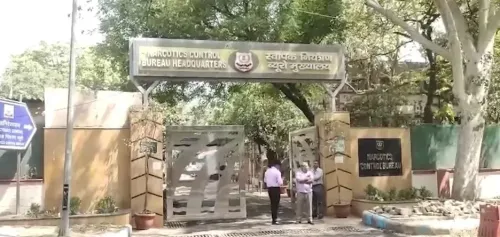
He is currently being interrogated in New Delhi and will be handed over to the Narcotics Control Bureau (NCB) in Mumbai .
His son Taher Dola was extradited from the UAE in June 2025 , and associate Salim Mohammed Sohail Shaikh was deported from Dubai months earlier.
Dola fled to the UAE in 2018 while on bail after a 100 kg fentanyl seizure case, exploiting a legal loophole when forensic samples reportedly tested negative.
An Interpol Red Corner Notice issued at the request of the CBI was instrumental in securing his arrest and deportation.
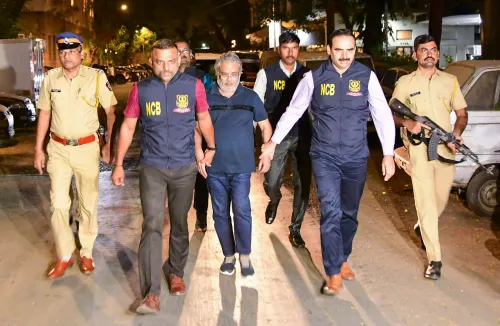
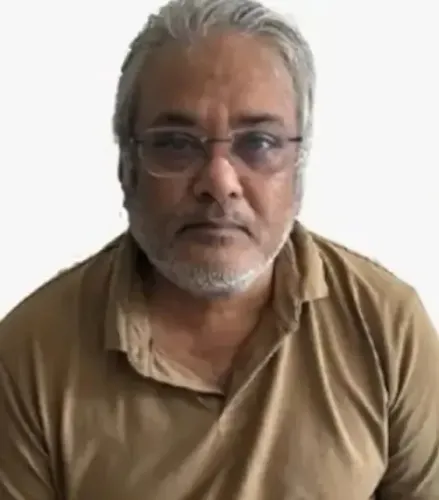
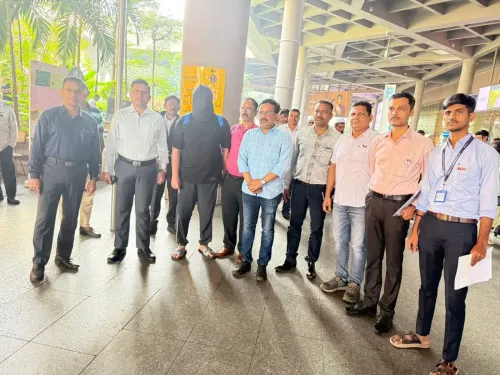
Salim Dola, a close aide of fugitive gangster Dawood Ibrahim and an alleged kingpin of a transnational drug syndicate worth an estimated Rs 5,000 crore, was deported to India on Tuesday, April 28, 2025, marking one of the most significant counter-narcotics breakthroughs in recent years. Dola was flown into Delhi's Indira Gandhi International Airport aboard a special aircraft in the early hours, following a coordinated operation involving Indian intelligence agencies and their international counterparts.
How the Deportation Unfolded
Dola was arrested in Istanbul, Turkey, in a joint operation by local law enforcement and intelligence units, acting on an Interpol Red Corner Notice issued at the request of the Central Bureau of Investigation (CBI). Indian authorities, particularly the Mumbai Police, had been pursuing his custody for several years in connection with multiple narcotics-related cases.
According to sources, sustained diplomatic and intelligence coordination across multiple jurisdictions made the deportation possible. Officials confirmed that the operation was the culmination of years of persistent effort by Indian agencies working in tandem with foreign partners.
Current Status and Next Steps
Dola is currently being interrogated by intelligence agencies in New Delhi and is expected to be subsequently handed over to the Narcotics Control Bureau (NCB) in Mumbai for deeper investigation. He faces questioning in connection with large-scale drug trafficking, international smuggling networks, and alleged financial channels linked to activities detrimental to India's national security.
Investigators believe that proceeds from Dola's narcotics empire were funnelled into funding extremist activities, underlining the gravity of his alleged crimes beyond mere drug trafficking.
A Pattern of Crackdowns on the Dawood Network
This deportation is not an isolated event. In June 2025, Dola's son, Taher Dola, was extradited from the United Arab Emirates. Months later, key associate Salim Mohammed Sohail Shaikh was deported from Dubai and arrested by the Mumbai Anti-Narcotics Cell. Notably, these successive actions suggest a systematic dismantling of the syndicate's operational hierarchy, with Indian agencies closing in on the network from multiple directions simultaneously.
This comes amid heightened global scrutiny of narco-terrorism financing, with security experts increasingly emphasising the link between synthetic drug trafficking and the funding of extremist organisations. Investigations have revealed that the network operated transnational synthetic drug manufacturing units across several countries, including laboratories allegedly established within India itself.
Salim Dola's Criminal History
Born in Mumbai in 1966, Dola gravitated toward the underworld at a young age, forging close ties with Chhota Shakeel, Dawood Ibrahim's right-hand man. His criminal trajectory began with supplying gutkha and smuggling marijuana before escalating to synthetic drug manufacturing.
In 2012, the NCB arrested him after recovering 80 grams of marijuana from his possession; he was eventually acquitted after spending five years in prison. Following his release, he allegedly established a manufacturing unit for a synthetic drug called 'Button', produced using fentanyl. In 2018, he was arrested again in Santa Cruz, Mumbai, after a seizure of 100 kg of fentanyl. He was granted bail within four months after forensic samples reportedly tested negative — and subsequently fled to the UAE while still on bail.
Impact on India's Counter-Narcotics and Security Landscape
Security analysts argue that Dola's arrest delivers a significant blow to the financial architecture of the Dawood Ibrahim network, which has long been suspected of bankrolling activities hostile to India. Critics point out, however, that the bail lapses and legal loopholes that allowed Dola to flee in 2018 represent systemic vulnerabilities that must be urgently addressed to prevent repeat scenarios.
With Dola now in Indian custody, investigators are expected to pursue leads that could expose deeper layers of the syndicate's operations — both domestically and internationally. The coming weeks will be critical in determining how much actionable intelligence his interrogation yields.
Point of View
His son, and a key associate have all been repatriated within months of each other, suggesting a coordinated intelligence offensive rather than isolated luck. Yet the 2018 bail episode — where a 100 kg fentanyl haul led to no conviction and an eventual flight abroad — exposes the domestic legal gaps that enable such networks to regenerate. The real measure of this breakthrough will be whether Dola's interrogation yields actionable intelligence that dismantles the syndicate's financial pipelines, or whether it becomes yet another high-profile arrest with limited downstream accountability.
NationPress
14 Oct 2026
Frequently Asked Questions
Who is Salim Dola and why was he deported to India?
Salim Dola is a close aide of fugitive gangster Dawood Ibrahim and an alleged kingpin of a transnational drug syndicate worth Rs 5,000 crore. He was deported to India on April 28, 2025, after being arrested in Istanbul, Turkey, based on an Interpol Red Corner Notice issued at the CBI's request.
Which agency will investigate Salim Dola after his deportation?
Salim Dola is currently being interrogated by Indian intelligence agencies in New Delhi and will subsequently be handed over to the Narcotics Control Bureau (NCB) in Mumbai. He is expected to be questioned in connection with large-scale drug trafficking and international smuggling cases.
What is Salim Dola's criminal background?
Born in Mumbai in 1966, Dola began his criminal career supplying gutkha and smuggling marijuana before graduating to synthetic drug manufacturing using fentanyl. He was arrested by the NCB in 2012 and again in 2018, when 100 kg of fentanyl was seized, but fled to the UAE while on bail.
How does Salim Dola's arrest connect to the Dawood Ibrahim network?
Dola worked closely with Chhota Shakeel, Dawood Ibrahim's right-hand man, and allegedly used drug trafficking proceeds to fund activities hostile to India's security. His arrest, combined with the earlier extradition of his son Taher Dola and associate Salim Mohammed Sohail Shaikh, signals a systematic crackdown on the Dawood network.
What is the significance of this deportation for India's counter-narcotics efforts?
Security experts say Dola's arrest is a major blow to the financial backbone of the Dawood Ibrahim syndicate, which is suspected of financing extremist activities. It also demonstrates India's growing ability to coordinate with international agencies to repatriate high-value criminal targets.