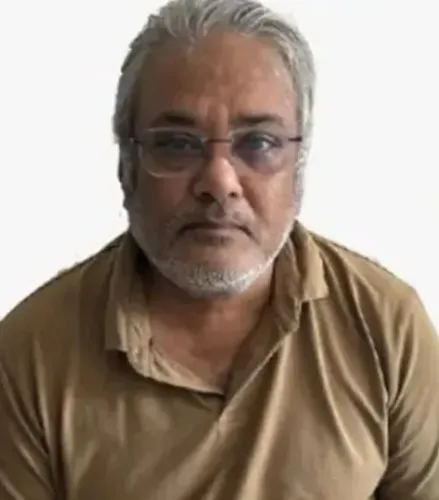
Salim Dola deported from Turkey: Dawood aide ran ₹5,000 crore drug empire
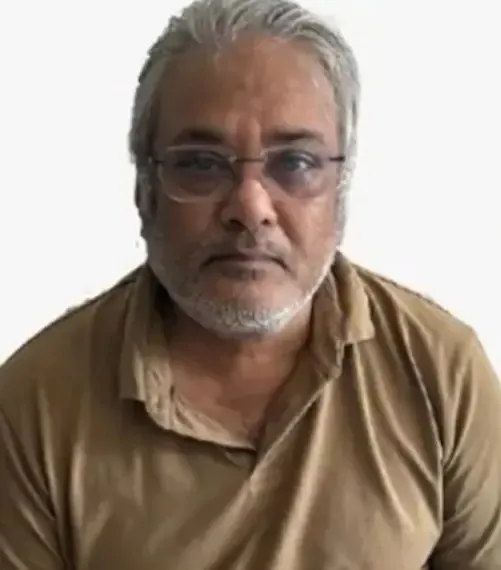
Synopsis
Salim Dola, a top aide of fugitive gangster Dawood Ibrahim who allegedly ran a ₹5,000 crore drug empire, has been deported from Turkey to India — the latest in a string of enforcement wins targeting the Dawood syndicate. His interrogation is expected to expose ISI-linked terror financing and drug supply chains running from Mexico and Myanmar into India.
Key Takeaways
Salim Dola , a close aide of Dawood Ibrahim , was deported from Turkey to New Delhi on 28 April 2025 .
Dola is accused of running a drug business reportedly worth ₹5,000 crore , linked to ISI-backed narcotics cartels.
Mumbai Police and the Enforcement Directorate are expected to question Dola on money laundering and organised crime links.
His son Taher Dola and aide Salim Mohamed Sheikh (deported from Dubai) are already in Indian custody.
Officials allege 40% of drug trade earnings are channelled to terror groups like Lashkar-e-Taiba via the ISI.
Indian agencies are also tracking Mexican and Myanmar -based cartels pushing drugs into India's northeast.
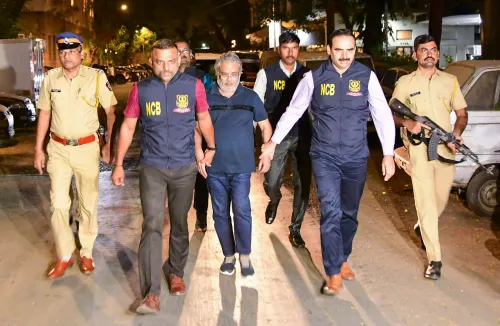
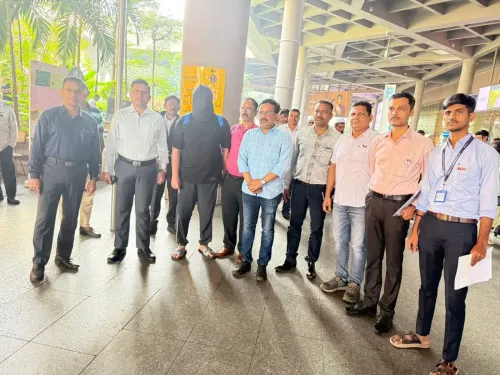
A close aide of fugitive gangster Dawood Ibrahim, Salim Dola, was arrested in Turkey and deported to India on Tuesday, 28 April, marking a significant breakthrough for Indian law enforcement in its crackdown on organised crime and ISI-backed narcotics networks. Dola was flown to New Delhi in a special aircraft and handed over to Central Intelligence officials for interrogation.
The Deportation and What Followed
Mumbai Police, which has registered multiple cases against Dola, is expected to seek his custody following the initial round of questioning by Central Intelligence agencies. According to officials, the swift deportation was made possible through coordinated efforts between Indian and international intelligence agencies. Dola is accused of running a drug business reportedly worth ₹5,000 crore, which officials describe as a significant pillar of the Dawood syndicate's financial operations in India.
The Enforcement Directorate (ED) is also set to question Dola in connection with several money laundering cases linked to his network. Officials said the questioning would focus on his India-based operations, links with international players, and his role within the Dawood Ibrahim syndicate — particularly in mapping and disrupting supply chains.
A Series of Legal Victories Against the Dola Network
The deportation of Salim Dola is the latest in a string of enforcement actions targeting his network. Earlier, his son Taher Dola — described as a major player in the drug trade — was extradited to India. Subsequently, Salim Mohamed Sheikh, a close aide of Dola, was deported from Dubai and is currently in the custody of Mumbai's Anti-Narcotics Cell. According to officials, an Intelligence Bureau official confirmed that Dola would be questioned specifically about the Dawood syndicate's structure and his links to it, calling it essential to breaking Dawood's supply chains within India.
ISI Links and Terror Financing Under the Scanner
Officials indicated that the questioning of Dola would also probe the Inter-Services Intelligence (ISI)'s alleged role in shaping the drug trade in India. According to one official, the ISI reportedly ensures that 40 per cent of earnings from the drug trade is channelled to fund terror outfits. Figures like Dawood have long been accused of financing groups such as Lashkar-e-Taiba, and Dola's interrogation is expected to shed light on these financial flows.
Officials also said Dola could provide critical information on drug laboratories he allegedly set up, as well as his direct links to Dawood and the ISI — intelligence that could prove valuable in dismantling the broader network.
Wider Crackdown: Myanmar Cartels, Mexican Networks, and the Northeast
The deportation comes amid a broader offensive by Indian agencies against drug cartels operating across multiple fronts. Recent operations in the Andaman Islands resulted in seizures of massive drug consignments, with officials indicating that Mexican cartels were reportedly handling these shipments — intended to transit through India to Thailand. Separately, Indian agencies are closely monitoring cartels operating out of Myanmar, which are allegedly pushing large quantities of drugs into the northeastern states.
According to officials, money raised through these drug networks is reportedly being routed to fund insurgent groups in India's northeast, underlining the direct national security dimension of the narcotics trade.
Government's Push for a Drug-Free India
The Narendra Modi government has aggressively pursued its stated goal of a drug-free India, with multiple operations targeting the Dawood network carried out across the country in recent months. Officials said these developments signal India's resolve in dismantling organised crime and narcotics syndicates with cross-border and terror-financing dimensions. Further operations are expected as agencies continue to follow leads emerging from the interrogations of Dola and his associates.
Point of View
But the real value lies in what he knows — not just about drug logistics, but about the ISI's financial architecture underpinning cross-border terror. India has steadily dismantled the outer rings of the Dawood network, yet Dawood himself remains out of reach in Pakistan. The question mainstream coverage rarely asks is whether these deportations are yielding actionable intelligence or simply legal wins for optics. With Myanmar cartels feeding the northeast and Mexican networks attempting Indian transit routes, the narcotics threat has globalised well beyond any single syndicate.
NationPress
3 Oct 2026
Frequently Asked Questions
Who is Salim Dola and why was he deported to India?
Salim Dola is a close aide of fugitive gangster Dawood Ibrahim, accused of running a drug network reportedly worth ₹5,000 crore. He was arrested in Turkey and deported to India on 28 April 2025 following coordination between Indian and international intelligence agencies.
What will Indian agencies question Salim Dola about?
Central Intelligence officials and the Enforcement Directorate will question Dola about his India-based drug operations, money laundering cases, drug laboratories he allegedly set up, and his links to the Dawood syndicate and the ISI. His ties to terror financing networks will also be probed.
Who else from the Dola network is already in Indian custody?
Dola's son Taher Dola was extradited to India earlier, and close aide Salim Mohamed Sheikh was deported from Dubai and is currently in the custody of Mumbai's Anti-Narcotics Cell.
What is the alleged link between the drug trade and terror financing?
According to officials, the ISI reportedly ensures that 40% of earnings from the drug trade is used to fund terror outfits. Dawood Ibrahim has long been accused of financing groups such as Lashkar-e-Taiba through drug and crime proceeds.
Which other drug networks are Indian agencies currently targeting?
Indian agencies are tracking Mexican cartels that reportedly attempted to route drug consignments through India to Thailand, as well as Myanmar-based cartels pushing drugs into northeastern India. Officials say money from these networks is allegedly being used to fund insurgent groups in the northeast.