El Nino may push FY27 CPI inflation to 5.2–5.5%, food prices at risk
Synopsis
With an 80% probability of El Nino striking India between June and August — and a 90%-plus chance it persists through November — Bank of Baroda Research is warning that FY27 inflation could climb to 5.5%, driven by food and fuel. Current reservoir levels offer a buffer, but second-round freight cost pass-through could erase that cushion fast.
Key Takeaways
There is an 80% likelihood of an El Nino event during June–August 2026 , with probabilities of continuation through November at or above 90% .
Bank of Baroda Research projects FY27 CPI inflation in the 5.2–5.5% range, assuming crude oil at $90–100 per barrel .
Headline CPI inflation rose to 3.9% in May 2026 , up from 3.5% in April; food inflation hit 4.8% .
Core inflation (ex-food and fuel) also climbed to 3.9% , signalling broader underlying price pressures.
Reservoir levels as of 11 June are above normal and vegetable arrivals are satisfactory, providing a near-term buffer.
Second-round pass-through from higher fuel to freight and food costs is flagged as the key risk to monitor.
CPI inflation in India is projected to settle in the 5.2–5.5% range in FY27, according to a research note from Bank of Baroda (BoB) Research, as an El Nino weather event and elevated crude oil prices threaten to push food and fuel costs higher. The forecast assumes an average crude oil price of $90–100 per barrel and accounts for likely disruptions to agricultural output from El Nino conditions.
El Nino Risk and Current Supply Conditions
According to the report, there is an 80% likelihood of an El Nino event during the June–August period, with probabilities of it continuing until at least November remaining near or above 90%. Despite this, current supply buffers offer some cushion — reservoir levels as of 11 June are above normal storage capacity, and vegetable arrival statistics remain satisfactory. As BoB Research noted, 'Only coming days will tell us whether the supply conditions are sufficient from any incipient shock from food and fuel on inflation or not.'
May 2026 Inflation: Where Prices Stand
Headline CPI inflation came in at 3.9% in May 2026, below BoB Research's own estimate of 4.1% but up from 3.5% in April 2026. The uptick was driven primarily by food and fuel, with food inflation climbing to 4.8%. Transport inflation accelerated following recent petrol and diesel price hikes, while restaurant and accommodation services also saw upward price movement. Core inflation — which strips out food and fuel — rose to 3.9%, signalling emerging underlying price pressures beyond the volatile components.
Second-Round Effects: The Key Watch Point
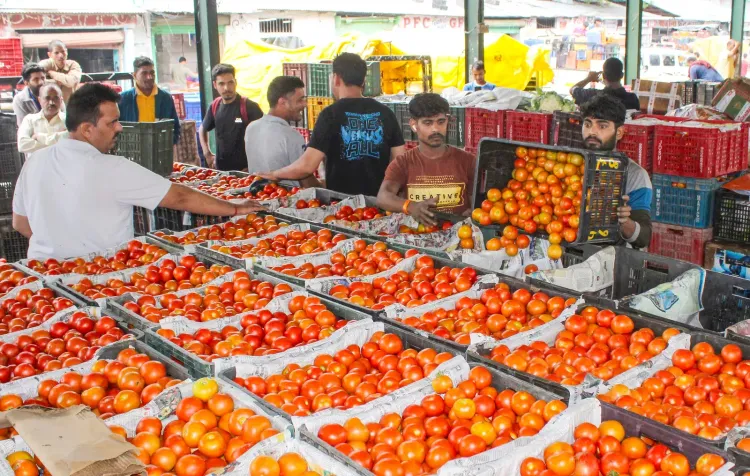
Economists at BoB Research have flagged the risk of second-round pass-through, where higher fuel costs feed into freight and logistics expenses, ultimately lifting food prices further. 'For food inflation, the spillover of higher fuel cost and likely increase in freight cost might feed into further high inflation in the near term. Hence the second-round pass-through needs to be closely monitored, especially when weather-related risks are elevated this year,' the report stated. This dynamic is particularly relevant given that India's food supply chain is heavily freight-dependent, and any sustained crude price elevation compounds the weather risk.
Core Inflation Outlook: Firms May Pass on Costs
Looking ahead, BoB Research economist Dipanwita Mazumdar and the team expect upside risks to core inflation to intensify, as firms may begin passing higher input costs on to consumers amid stable demand conditions. The report added that 'risks on food inflation is also likely to intensify in the coming days.' This comes amid a broader global environment of sticky services inflation, which has complicated central bank timelines in major economies and could influence the Reserve Bank of India (RBI)'s own rate trajectory.
What to Watch Next
The trajectory of the South-West Monsoon, crude oil price movements, and the pace of El Nino intensification will be the three key variables shaping India's inflation path through the rest of FY27. Any deterioration in reservoir levels or a below-normal monsoon could sharply revise the upper end of BoB Research's 5.5% projection upward. The RBI's next policy review will be closely watched for any revision to its own inflation forecasts.
Point of View
Which has only recently created space with a softer May print, may find that space closing quickly if the monsoon disappoints. The second-round freight pass-through is the variable most likely to be underpriced by markets right now.
NationPress
24 Sept 2026
Frequently Asked Questions
What is the El Nino risk for India in 2026?
According to a Bank of Baroda Research report, there is an 80% likelihood of an El Nino event during June–August 2026, with probabilities of it persisting through at least November at or above 90%. El Nino typically disrupts the South-West Monsoon, threatening agricultural output and pushing food prices higher.
What is the FY27 CPI inflation forecast for India?
Bank of Baroda Research economist Dipanwita Mazumdar projects CPI inflation to settle in the 5.2–5.5% range in FY27, assuming some El Nino impact and an average crude oil price of $90–100 per barrel. This is significantly above the May 2026 headline reading of 3.9%.
Why did India's CPI inflation rise in May 2026?
Headline CPI inflation rose to 3.9% in May 2026 from 3.5% in April, driven by higher food and fuel prices. Food inflation climbed to 4.8%, while transport inflation accelerated following petrol and diesel price hikes. Core inflation also edged up to 3.9%.
Are food supply conditions in India currently adequate?
As of 11 June, reservoir levels in India are above normal storage capacity and vegetable arrival statistics are described as satisfactory, providing a near-term buffer against food price shocks. However, analysts caution that El Nino's impact on the monsoon could erode these buffers in the months ahead.
What is second-round inflation pass-through and why does it matter?
Second-round pass-through refers to the process by which higher fuel costs raise freight and logistics expenses, which then feed into higher prices for goods — including food — at the consumer level. Bank of Baroda Research has flagged this as a key risk to monitor, particularly given elevated weather-related uncertainties this year.