Emergency 1975: How Sanjay Gandhi ruled India without office
Synopsis
Fifty years after India's darkest democratic chapter, the Emergency of 1975 stands as a case study in unchecked power. Sanjay Gandhi — unelected, unofficially in command — ran a campaign of forced sterilisations and bulldozer demolitions that killed hundreds. The Shah Commission indicted him. Its findings were shelved the moment his mother returned to power.
Key Takeaways
President Fakhruddin Ali Ahmed declared the Emergency on 25 June 1975 under Article 352 , citing internal disturbance — India's third such proclamation.
The trigger was the Allahabad High Court's invalidation of Indira Gandhi's election from Rae Bareilly on 12 June 1975 .
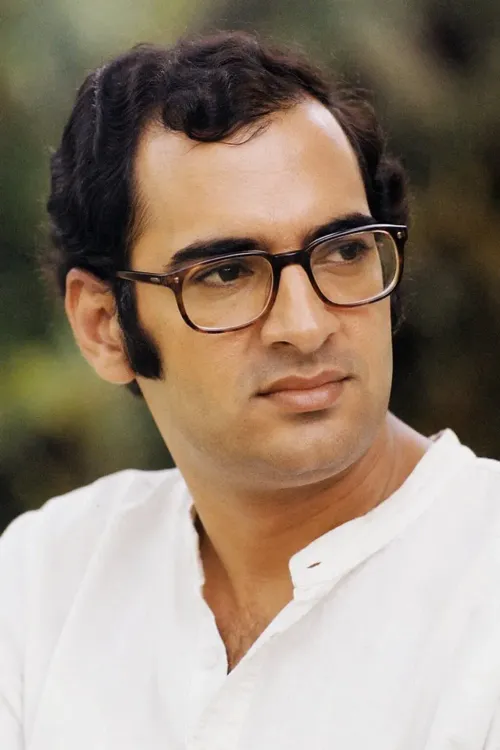
Sanjay Gandhi , not yet 30 and holding no elected office, reportedly directed bureaucrats and party leaders during the Emergency period.
Forced sterilisations targeted the poor; in Uttawar village , Haryana , over 800 cases were reportedly carried out under coercion.
Demolitions at Turkman Gate , New Delhi ( February–April 1976 ) left unofficial death tolls reportedly exceeding 1,000 .
The Shah Commission indicted both Gandhis; its reports were shelved after Indira Gandhi returned to power in 1980 .
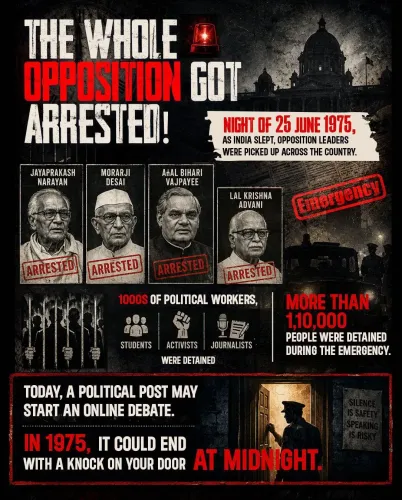
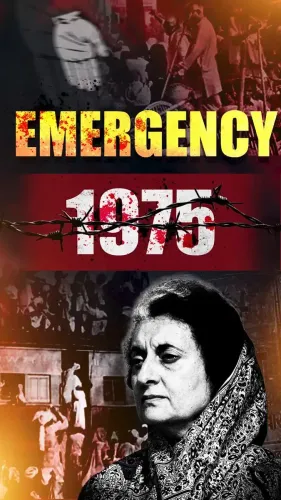
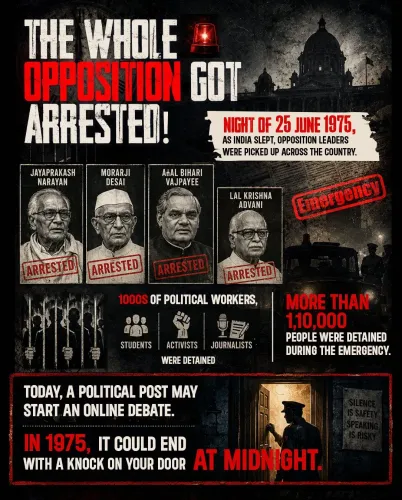
On 25 June 1975, then President Fakhruddin Ali Ahmed proclaimed a state of Emergency across India under Article 352 of the Constitution, citing threats of internal disturbance — a declaration that would suspend civil liberties, silence the press, and imprison Opposition leaders for 21 months. Fifty years on, the Emergency remains the darkest chapter in independent India's democratic history, and at its centre was a young man who held no elected office yet wielded near-absolute power: Sanjay Gandhi.
The Legal Crisis That Triggered the Emergency
The sequence began on 12 June 1975, when the Allahabad High Court invalidated the election of then Prime Minister Indira Gandhi from the Rae Bareilly Parliamentary constituency in Uttar Pradesh, citing electoral malpractice. Indira Gandhi challenged the verdict in the Supreme Court. On 24 June, Justice V.R. Krishna Iyer allowed her to continue as Prime Minister but ordered that her privileges as a Member of Parliament be withdrawn and that she be barred from voting in Parliament — conditions to hold until the appeal was resolved.
Within hours, a government press release accused Opposition leaders of fomenting unrest. By the early hours of 25 June, the Emergency had been declared. It was India's third such proclamation — the previous two having been invoked during wars with China in 1962 and Pakistan in 1971. This time, the threat was internal — and the target, critics have long argued, was Indira Gandhi's own political survival.
Sanjay Gandhi: Power Without Portfolio
With Opposition leaders jailed and dissenting voices muzzled, a power vacuum formed around the Prime Minister's office. It was filled, according to accounts from that era, by Sanjay Gandhi, Indira's younger son, who was not yet 30 and held no elected position or ministerial portfolio. With many of Indira Gandhi's senior advisors sidelined, Sanjay reportedly began directing bureaucrats and party functionaries as though he were head of government.
He advanced a self-styled 'five-point programme' covering adult education, dowry abolition, caste eradication, afforestation, and family planning. While several of these goals were progressive in intent, the methods used to implement them — particularly in family planning and urban 'beautification' — drew widespread condemnation and left lasting scars on public memory.
Forced Sterilisations and the Family Planning Drive
The family planning component of Sanjay Gandhi's programme descended into a coercive mass sterilisation campaign. According to accounts from the period, poor rickshaw pullers, beggars, and even ordinary passers-by were reportedly picked up and subjected to sterilisation procedures, often under unsanitary conditions.
Rukhsana Sultana, then a member of Sanjay's inner circle, reportedly pressured Muslim men and women to attend sterilisation camps, using a combination of cash incentives and, in some instances, coercion. Police were said to have been assigned daily 'quotas' to fill. In the village of Uttawar — then part of Gurgaon district in Haryana, a Meo Muslim-majority settlement — over 800 sterilisations were reportedly carried out under coercion, according to accounts from that period. The programme, ostensibly aimed at controlling population growth, was marked by significant human rights violations.
Turkman Gate: The Demolitions That Shocked Delhi
Sanjay Gandhi's urban 'beautification' drive targeted slums and old city neighbourhoods across New Delhi. The most notorious episode unfolded at Turkman Gate, where demolitions were carried out between February and April 1976. According to reports from the time, Sanjay Gandhi had visited the area and objected to the skyline — specifically, that the surrounding buildings obstructed the view of the Jama Masjid.
Hundreds were allegedly killed in the violence that followed, with unofficial estimates reportedly exceeding 1,000 deaths. Bulldozers were said to have been used to clear both rubble and bodies under floodlights through the night. Residents resisted, calling a general strike, but were met with lathi-charges, tear gas, and, according to reports, police firing on crowds that included women and children.
The Shah Commission and Its Shelved Findings
After the Indira Gandhi-led Indian National Congress (INC) was voted out of power in 1977, the incoming Janata Party government constituted the Shah Commission of Inquiry to examine the excesses of the Emergency. Headed by Justice J.C. Shah, the commission investigated mass detentions, press censorship, forced sterilisations, and slum demolitions.
The commission's reports documented in detail how civil liberties were trampled, institutions were subverted, and Sanjay Gandhi exercised what it described as extra-constitutional authority. Several senior officials were indicted; both Indira Gandhi and Sanjay Gandhi were directly criticised. However, when Indira Gandhi returned to power in 1980, the commission's reports were shelved. No significant action followed, leaving the findings as a stark testament to how fragile democratic safeguards can be when unchecked power concentrates in a few hands.
Five decades later, the Emergency of 1975 continues to be invoked in Indian political discourse — by those who lived through it, by those who study it, and by those who warn that its lessons have not yet been fully absorbed.
Point of View
But the more unsettling story is Sanjay Gandhi's — a private citizen who commanded the state's coercive machinery without a single vote to his name. The Shah Commission documented this in forensic detail, yet its findings were buried the moment political power shifted back. That the reports were shelved rather than acted upon is itself the lesson: India's institutional safeguards proved insufficient not when Emergency was declared, but when accountability was quietly abandoned after it ended.
NationPress
25 Jun 2026
Frequently Asked Questions
Why was the Emergency declared in India in 1975?
The Emergency was declared on 25 June 1975 by President Fakhruddin Ali Ahmed under Article 352, officially citing threats of internal disturbance. It followed the Allahabad High Court's 12 June 1975 ruling invalidating Prime Minister Indira Gandhi's election from Rae Bareilly, and a Supreme Court conditional stay that stripped her of her MP privileges.
What role did Sanjay Gandhi play during the Emergency?
Sanjay Gandhi, Indira Gandhi's younger son, reportedly exercised sweeping informal authority during the Emergency despite holding no elected office or ministerial post. He directed bureaucrats and party leaders, pushed his 'five-point programme', and oversaw coercive campaigns including forced sterilisations and urban demolitions.
What happened at Turkman Gate during the Emergency?
Between February and April 1976, slums and old city structures near Turkman Gate in New Delhi were demolished as part of Sanjay Gandhi's urban 'beautification' drive. Residents who resisted faced lathi-charges, tear gas, and reportedly police firing; unofficial estimates put deaths beyond 1,000, though these figures were never officially verified.
What did the Shah Commission find about the Emergency?
The Shah Commission of Inquiry, constituted by the Janata Party government after 1977, found that civil liberties were systematically violated, institutions were misused, and Sanjay Gandhi exercised extra-constitutional authority. It directly criticised both Indira Gandhi and Sanjay Gandhi and indicted several senior officials.
Was anyone held accountable for Emergency-era excesses?
No significant accountability followed. When Indira Gandhi returned to power in 1980, the Shah Commission's reports were shelved and no major prosecutions resulted. The findings remain on record as a documented indictment, but their legal and political consequences were effectively nullified.