Sonam Wangchuk ends 26-day fast after govt assurances on NEET accountability
Synopsis
After 26 days without food, Sonam Wangchuk secured what protesters had demanded all along — a written government commitment to debate NEET accountability in Parliament, compensate suicide victims' families, and drop cases against peaceful protesters. The cross-party backing of 65 MPs made this outcome politically difficult to ignore.
Key Takeaways
Sonam Wangchuk ended his 26-day hunger strike on 24 July after receiving written assurances from the Central government .
The Centre committed to a parliamentary discussion on NEET paper leak and examination reform.
Government is 'positively considering' compensation for families of NEET paper leak suicide victims.
No cases will be registered against students who protested peacefully at Jantar Mantar or joined the 20 July 2026 march to Parliament.
Approximately 65 MPs from multiple parties visited Wangchuk and signed their support before the fast ended.
Union Ministers J.P.
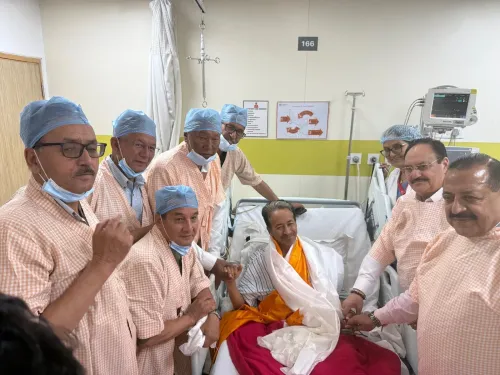
Nadda and Jitendra Singh met Wangchuk in person ahead of the written commitment.
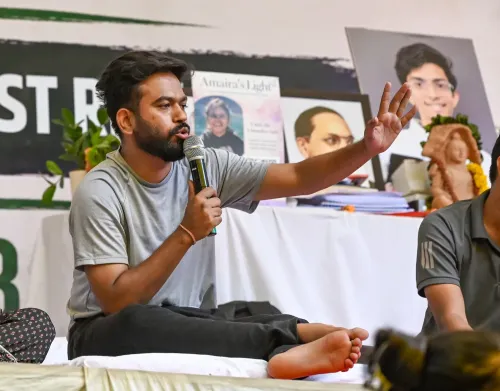
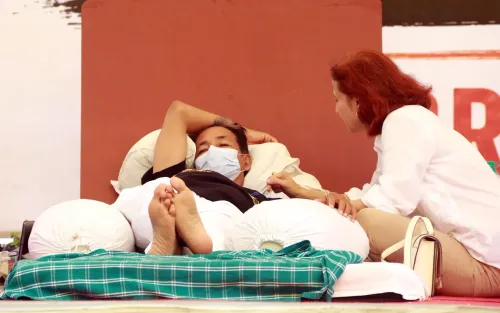
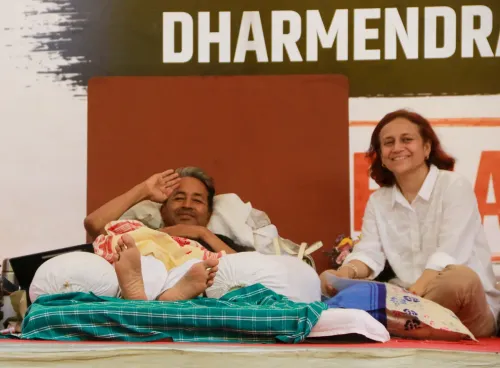
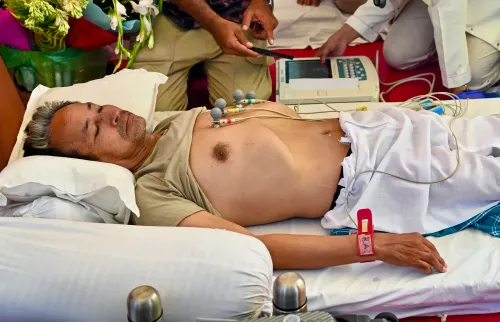
Education reform activist Sonam Wangchuk on Friday, 24 July called off his 26-day hunger strike in New Delhi after receiving written assurances from the Central government and members of parliament across political parties that examination accountability — including the NEET paper leak crisis — would be taken up on the floor of Parliament. The fast, one of the longest by a civil society figure in recent years, ended with commitments on three specific demands.
Key Developments
Wangchuk's team announced the decision on the activist's official X handle, posting: 'END OF HUNGER… BEGINNING OF ACCOUNTABILITY…!' The statement confirmed that the fast concluded after assurances that families of suicide victims linked to the NEET examination paper leak would receive adequate compensation, and that no cases would be registered against students and youths who had protested peacefully.
Notably, the breakthrough came after approximately 65 Members of Parliament from multiple political parties visited Wangchuk, signed their support, and requested him to end the strike — a rare show of cross-party solidarity on an education accountability issue.
What the Government Said
In a formal statement, the Centre confirmed it was 'positive' on three counts: not registering cases against those who protested peacefully at Jantar Mantar and participated in the march to Parliament on 20 July 2026; holding a 'threadbare discussion' in Parliament to find solutions to paper leaks and examination reform; and 'positively considering' suitable compensation for families of NEET paper leak suicide victims.
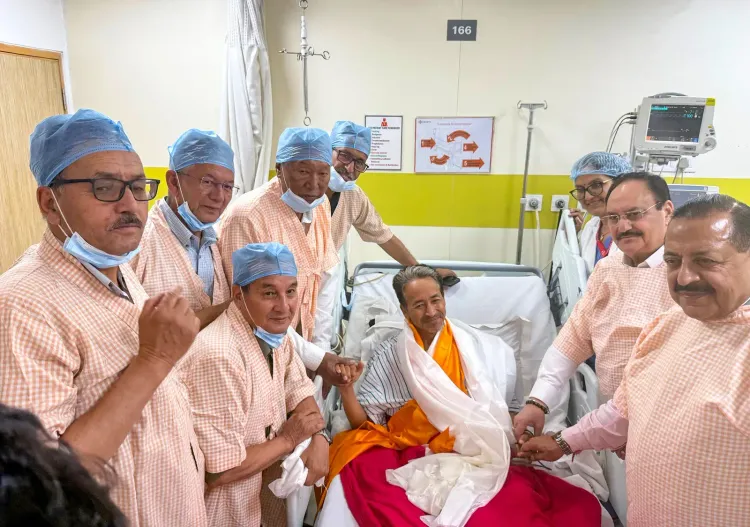
Union Ministers J.P. Nadda and Jitendra Singh visited Wangchuk in person, with leaders of the Ladakh Apex Body also present at the meeting that preceded the formal written commitment.
Wangchuk's Statement
In a video message shared alongside the announcement, Wangchuk described the sequence of events: 'On the 26th day of my hunger strike, I want to share some important information. A short while ago, Union Ministers J.P. Nadda and Jitendra Singh came here… around 65 Members of Parliament from different political parties came here, signed their support, and requested me to end my hunger strike. They assured me that the issue of paper leaks would be discussed… today I have finally received that written assurance.'
Background and Broader Support
Wangchuk's hunger strike had drawn backing from students, education activists, civil society organisations, and lawmakers from across the political spectrum. The protest centred on systemic failures in India's examination infrastructure — particularly recurring paper leaks that have undermined competitive exams and, according to reports, driven some aspirants to suicide.
This comes amid sustained national debate over the integrity of high-stakes examinations such as NEET and other central recruitment tests, following a series of leak incidents that have eroded public trust in examination-conducting bodies.
What Happens Next
The government's assurances are in written form, though the specific legislative or administrative mechanism for parliamentary discussion has not yet been detailed publicly. Compensation modalities for NEET suicide victims' families also remain to be worked out. Civil society groups have indicated they will monitor follow-through on each commitment before declaring the protest movement concluded.
Point of View
But India's examination system has survived decades of debate without structural reform. The real test is whether this parliamentary discussion produces a credible, independent examination regulator with enforceable accountability, or whether it joins a long list of post-crisis reviews that produced reports but not change. The 65-MP cross-party show of support is politically significant, but MPs signing a letter and MPs voting for reform are two very different things.
NationPress
24 Jul 2026
Frequently Asked Questions
Why did Sonam Wangchuk go on a hunger strike?
Wangchuk undertook a 26-day hunger strike to demand accountability in India's examination system, particularly in the wake of the NEET paper leak, and to seek compensation for families of students who died by suicide linked to the leak. He also demanded that no cases be filed against peaceful protesters.
What assurances did the government give Wangchuk?
The Central government provided written assurances on three points: a parliamentary discussion on examination reform and paper leaks, positive consideration of compensation for NEET suicide victims' families, and no registration of cases against those who protested peacefully at Jantar Mantar or joined the 20 July 2026 march to Parliament.
Who met Sonam Wangchuk before he ended his fast?
Union Ministers J.P. Nadda and Jitendra Singh visited Wangchuk in person, along with leaders of the Ladakh Apex Body. Before that, approximately 65 Members of Parliament from multiple political parties visited him, signed their support, and urged him to end the strike.
Will NEET suicide victims' families receive compensation?
The government stated it is 'positively considering' suitable compensation for families of students who died by suicide following the recent NEET paper leak. The specific compensation amount and modalities have not yet been announced.
What happens now that the hunger strike has ended?
The government's commitments are in written form, but specific timelines for parliamentary debate and compensation disbursement have not been publicly detailed. Civil society groups have indicated they will monitor whether the government follows through on each assurance.