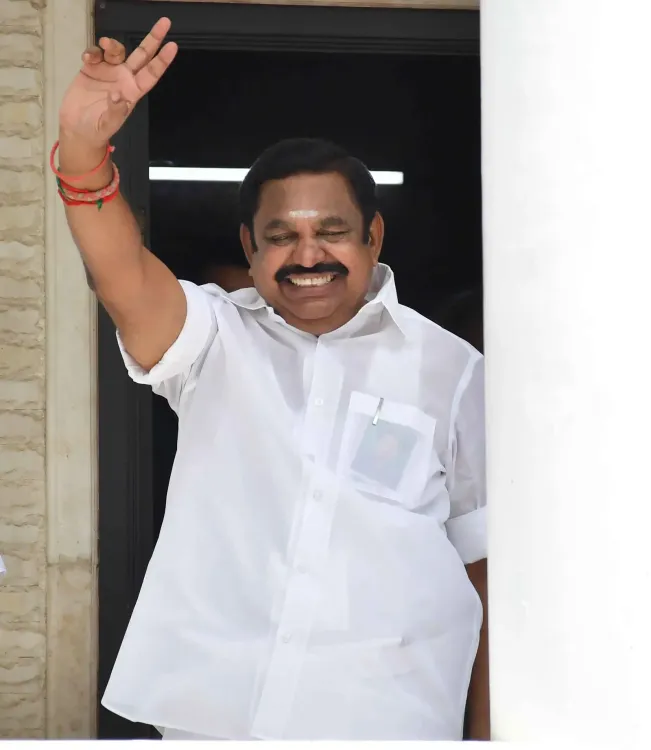
EPS grip on AIADMK machinery could blunt leadership challenge after bypoll losses
Synopsis
Despite twin bypoll defeats in Madurantakam and Dharapuram, AIADMK chief Edappadi K Palaniswami appears well-insulated from an internal revolt — his systematic restructuring of the 2,300-member General Council has left rivals S.P. Velumani and C Ve Shanmugam with weakened district networks and diminishing numbers, making dissent loud but a leadership change structurally improbable for now.
Key Takeaways
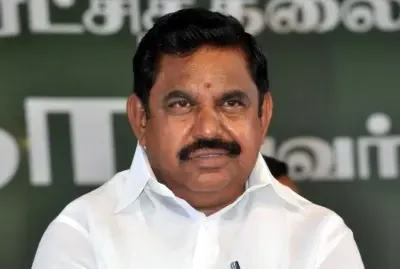
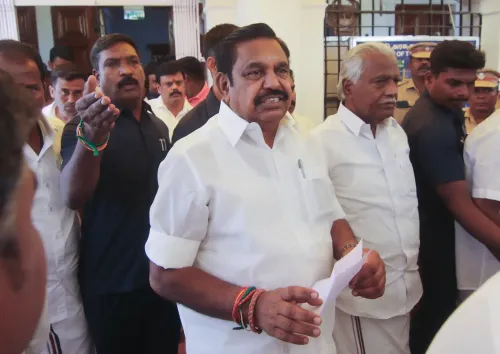
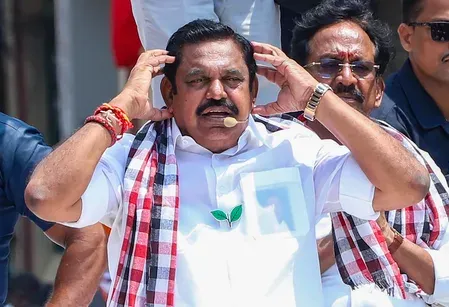
AIADMK General Secretary Edappadi K Palaniswami faces renewed leadership questions after party defeats in the Madurantakam and Dharapuram Assembly bye-elections.
Velumani and C Ve Shanmugam are reportedly pushing for a leadership change amid electoral dissatisfaction.
Palaniswami's prior organisational restructuring has reportedly weakened rival factions by removing dissenters from key posts and district networks.
The General Council , with around 2,300 members , is the principal forum for any leadership contest; Palaniswami's backers are believed to hold a majority.
Dissenters are seeking a General Council meeting but must first build support beyond their existing circles to mount a credible challenge.
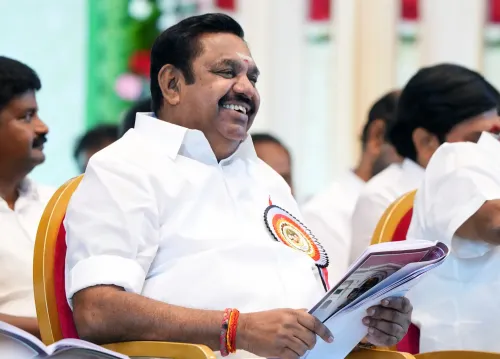
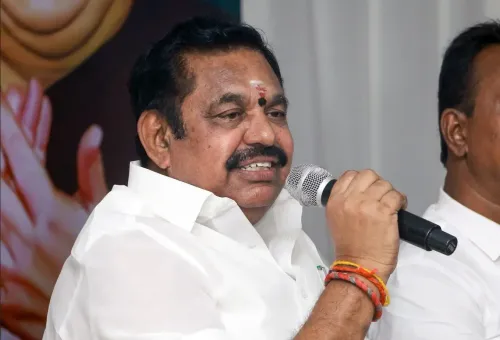
AIADMK General Secretary Edappadi K Palaniswami is facing renewed pressure over his leadership following the party's defeats in the Madurantakam and Dharapuram Assembly bye-elections, but his command of the party's organisational machinery is widely believed to limit the ability of internal rivals to mount a credible challenge. The bypoll reverses have supplied fresh ammunition to dissenters, yet structural advantages built up over successive rounds of organisational restructuring appear to favour the incumbent.
Dissent Within the Ranks
Senior leaders S.P. Velumani and C Ve Shanmugam are reportedly seeking a leadership change, driven by dissatisfaction over the party's electoral performance. Their grievances have intensified after the two bypoll defeats, which critics argue reflect a broader failure of electoral strategy under Palaniswami's stewardship. For dissenters, the losses provide a platform to demand accountability and push for a review of the party's direction.
However, translating dissatisfaction into an effective internal challenge remains a formidable task. Several functionaries associated with the Velumani faction reportedly lost organisational positions in earlier restructuring moves, weakening their district-level networks and reducing their voting weight in key forums.
EPS Organisational Stronghold
Palaniswami's earlier changes to the party structure are believed to have substantially strengthened his position within the General Council — the body that would be central to any leadership contest. The removal of dissenting functionaries from key posts has diminished their influence and narrowed their capacity to mobilise support across districts.
Adjustments affecting representation and voting strength within the council have made it considerably harder for disgruntled leaders to convert sentiment into numbers. With the General Council comprising around 2,300 members, Palaniswami's supporters are understood to command a working majority — an advantage that could allow him to withstand criticism even if a meeting is convened.
The General Council as the Key Battleground
Demands for a General Council meeting are growing, with dissenters viewing such a gathering as their principal opportunity to question electoral strategy, organisational decisions, and the leadership's response to successive setbacks. This comes amid a broader pattern of post-election reckonings within Dravidian parties, where general council sessions have historically served as pressure valves for internal grievances.
Notably, for any challenge to succeed, the dissenting bloc would need to secure support well beyond its existing circles and demonstrate that their concerns reflect the wider sentiment of district-level functionaries — a threshold that currently appears beyond their reach, according to reports.
What Comes Next
Palaniswami must now manage the dual challenge of containing internal discontent and responding to legitimate questions about the AIADMK's ability to regain electoral momentum ahead of future elections. His organisational strength offers a buffer against an immediate revolt, though it does not address the underlying political questions the bypoll results have raised.
The coming weeks will test whether dissatisfied leaders can stitch together a wider coalition or whether Palaniswami's control of the party apparatus will keep the challenge contained. For now, the balance appears to favour the general secretary, with his critics facing a considerable gap between voicing dissent and securing the numbers required to act.
Point of View
But narratives do not win general council votes — numbers do. Palaniswami has spent the intervening period between elections doing exactly what entrenched party leaders do: thinning the opposition's bench inside the organisation. The real story here is not whether EPS is politically vulnerable — he clearly is, on electoral performance — but whether an internal party democracy that has been structurally tilted toward the incumbent can produce genuine accountability. Tamil Nadu's Dravidian parties have a long history of general councils that ratify rather than contest, and nothing in the current balance of forces suggests this one will be different.
NationPress
21 Oct 2026
Frequently Asked Questions
Why is Edappadi K Palaniswami facing a leadership challenge in AIADMK?
Palaniswami is facing pressure following the AIADMK's defeats in the Madurantakam and Dharapuram Assembly bye-elections. Senior leaders S.P. Velumani and C Ve Shanmugam are reportedly pushing for a leadership review, citing dissatisfaction with the party's electoral performance.
What is the AIADMK General Council and why does it matter here?
The General Council is the AIADMK's apex decision-making body, comprising around 2,300 members, and would be the principal forum for any leadership contest. Palaniswami's supporters are believed to command a majority within it, giving him a structural advantage over any internal challenge.
How has Palaniswami strengthened his position within the AIADMK?
Through successive organisational restructuring moves, Palaniswami reportedly removed dissenting functionaries from key posts and reduced their representation and voting strength in the General Council. This has weakened rival factions' district-level networks and limited their ability to mobilise a credible challenge.
Who are the key leaders opposing Palaniswami within the AIADMK?
Senior leaders S.P. Velumani and C Ve Shanmugam are the most prominent figures reportedly seeking a leadership change. Several functionaries linked to the Velumani faction have, however, lost organisational positions, which has weakened the group's overall reach within the party structure.
What would dissidents need to successfully challenge Palaniswami's leadership?
To mount a credible challenge, dissenters would need substantial backing within the General Council and among influential district functionaries — well beyond their current circles. They would also need to demonstrate that their concerns reflect broader party sentiment rather than factional grievance.