Vellode Birds Sanctuary villages mark cracker-free Deepavali for 21st year
Synopsis
For 21 consecutive years, villagers around the Vellode Birds Sanctuary in Erode have silenced their Deepavali firecrackers — not because a court ordered them to, but because they chose to. It is a rare and quietly remarkable story of community-led conservation outlasting policy debates, court orders, and changing generations.
Key Takeaways
More than 10 villages around Vellode Birds Sanctuary in Erode, Tamil Nadu observed a cracker-free Deepavali on 8 November 2026 .
The voluntary tradition has now run unbroken for 21 consecutive years .
The sanctuary, established in 1996 , covers 240 acres and is one of 16 protected bird sanctuaries in Tamil Nadu.
Its ecological centrepiece is the Periyakulam Lake tank, a nesting and feeding habitat for species including the spot-billed pelican and Eurasian spoonbill .
Children and younger villagers have been key to sustaining the initiative across generations.
Residents of more than 10 villages surrounding the Vellode Birds Sanctuary in Tamil Nadu's Erode district celebrated Deepavali without bursting firecrackers on Sunday, 8 November 2026, completing an unbroken voluntary tradition for the 21st consecutive year. The collective gesture, sustained entirely through community will, has become one of South India's most enduring grassroots wildlife conservation efforts.
A Community Tradition Two Decades in the Making
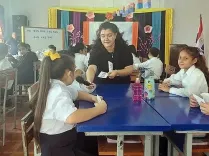
Villagers voluntarily gave up firecrackers to shield thousands of resident and migratory birds from the noise and air pollution that accompany conventional Deepavali celebrations. Families marked the occasion by wearing new clothes, exchanging greetings, and participating in traditional festivities — keeping revelry confined to sparklers. Children have been particularly instrumental in sustaining the initiative, willingly trading noisy firecrackers for quieter forms of celebration. Some families who wished to burst crackers reportedly travelled to relatives' homes outside the sanctuary's vicinity rather than disrupt the birds.
About the Vellode Birds Sanctuary
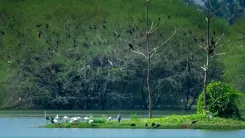
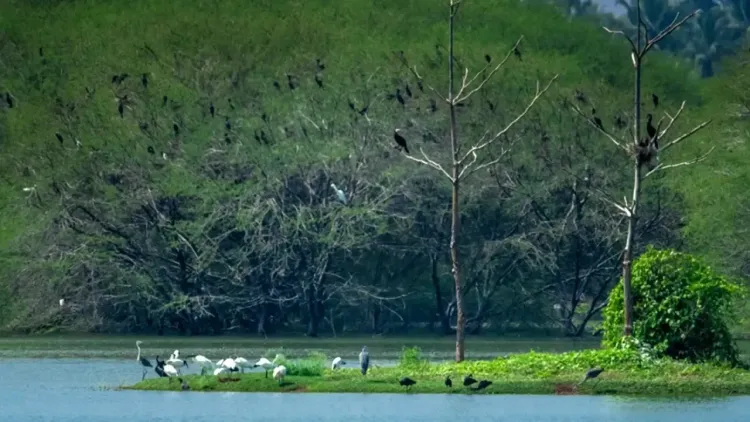
Located approximately 10 kilometres from Erode town, the Vellode Birds Sanctuary spans around 240 acres and was established in 1996 by the Union Ministry of Environment and Forests. It is one of 16 bird sanctuaries on Tamil Nadu's official list of protected areas. Unlike many other sanctuaries in the state, Vellode has no adjoining woodland; its ecological core is the Periyakulam Lake tank, which provides feeding, nesting, and breeding grounds for birds from across India and abroad.
Bird Species and Seasonal Patterns
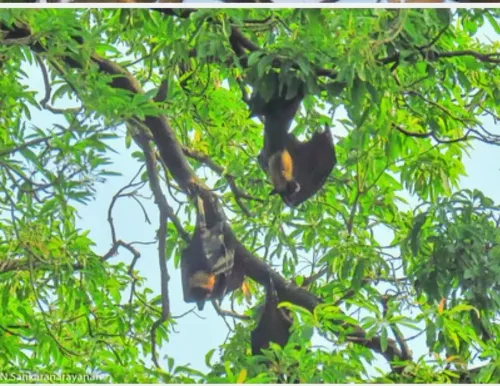
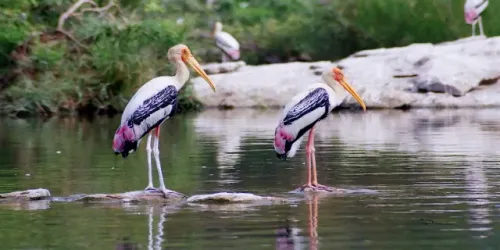
The sanctuary's primary nesting and breeding season runs from March to October. Residents noted that bird numbers at present are relatively low, with only a handful of resident and migratory species currently spotted. Over the years, the sanctuary has attracted notable visitors including the bar-headed goose, black-tailed godwit, Eurasian spoonbill, spot-billed pelican, Western marsh harrier, and blue-tailed bee-eater.
Why This Initiative Stands Out
What began as a local conservation pledge has matured into an accepted community norm, with younger generations actively carrying it forward. This comes amid broader national debates on firecracker bans and their enforcement — debates that are often contentious and legally contested. The Vellode model is notable precisely because it is voluntary, not mandated. It demonstrates that traditional celebrations and environmental responsibility can coexist, and that community-led conservation can outlast policy cycles without external pressure or penalties.
As the tradition enters its third decade, conservationists and local officials alike see it as a replicable template for wildlife-adjacent communities across India.
Point of View
Repeated for 21 years. At a time when firecracker restrictions routinely trigger legal battles and political controversies across India, this Tamil Nadu community has quietly rendered the debate moot within its own borders. What is worth asking is why this model has not been studied and replicated more systematically by state wildlife boards. The answer likely lies in the fact that voluntary conservation rarely generates the administrative visibility that top-down policy does — and that is a governance blind spot worth naming.
NationPress
8 Nov 2026
Frequently Asked Questions
Which villages celebrate cracker-free Deepavali near Vellode Birds Sanctuary?
More than 10 villages surrounding the Vellode Birds Sanctuary in Erode district, Tamil Nadu, have been observing a cracker-free Deepavali voluntarily for 21 consecutive years. The community made this choice to protect resident and migratory birds from noise and air pollution.
What is the Vellode Birds Sanctuary and where is it located?
The Vellode Birds Sanctuary is a protected area covering approximately 240 acres, located about 10 kilometres from Erode town in Tamil Nadu. Established in 1996 by the Union Ministry of Environment and Forests, it is one of 16 official bird sanctuaries in the state and is centred on the Periyakulam Lake tank.
What birds can be spotted at Vellode Birds Sanctuary?
The sanctuary has recorded species including the bar-headed goose, black-tailed godwit, Eurasian spoonbill, spot-billed pelican, Western marsh harrier, and blue-tailed bee-eater. The main nesting and breeding season runs from March to October, though resident species are present year-round.
Why do villagers avoid firecrackers near the sanctuary?
Villagers voluntarily forgo firecrackers to protect the birds in and around the sanctuary from the stress caused by loud noise and air pollution. The practice began 21 years ago and has since become an accepted community tradition, with children and younger generations actively supporting it.
How have residents adapted their Deepavali celebrations?
Families celebrate with new clothes, traditional greetings, and sparklers instead of noisy firecrackers. Those who wished to burst crackers reportedly travelled to relatives' homes outside the sanctuary area, ensuring the birds nearby were not disturbed.