EU Delegation Visits Assam for 2-Day Diplomatic Outreach
Synopsis
A European Union delegation arrived in Assam on 9 June 2026 for a two-day visit, signalling deepening EU-state ties. The visit aligns with Assam's Act East Policy outreach and the broader India-EU Strategic Partnership, with potential implications for trade, green technology, and investment.
Key Takeaways
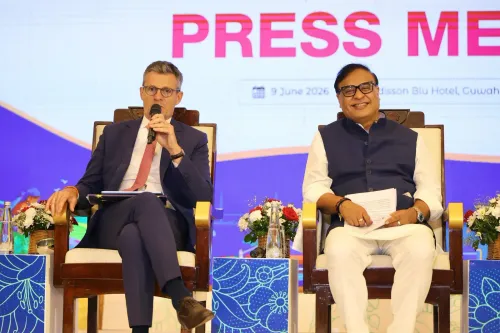
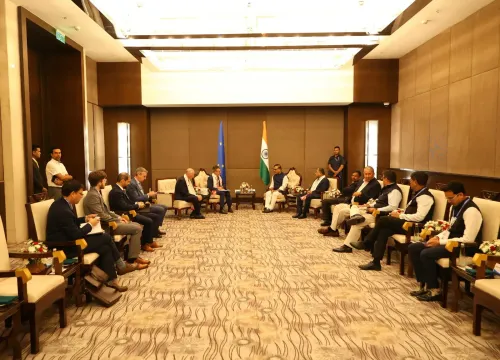
A European Union delegation arrived in Assam on 9 June 2026 for a two-day bilateral visit.
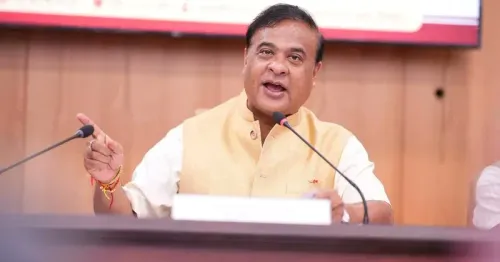
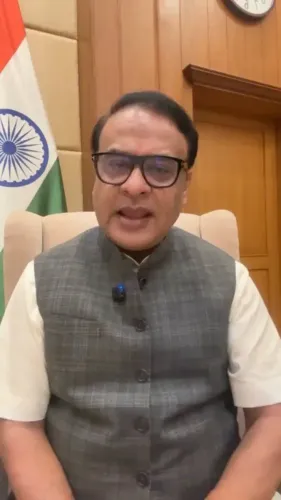
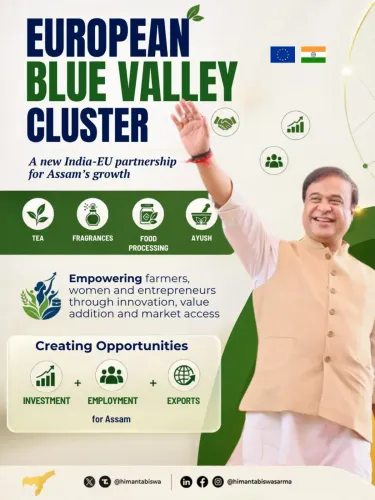
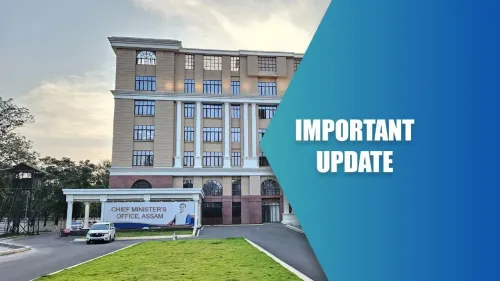
The visit was announced by the Chief Minister's Office of Assam , reflecting the state government's active international outreach under CM Himanta Biswa Sarma .
Assam's key export sectors — tea, petroleum, and tourism — are central to the state's pitch to European partners.
The engagement aligns with India's Act East Policy and the India-EU Strategic Partnership framework established in 2004 .
Potential outcomes include MoUs on trade facilitation , green technology , and connectivity projects under the EU's Global Gateway initiative.
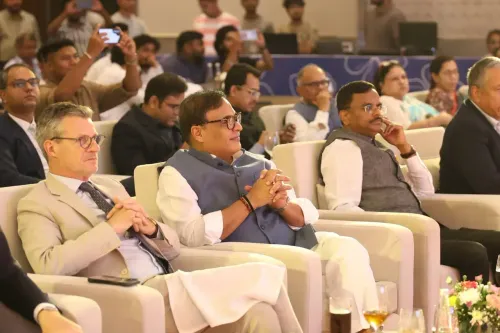
The Chief Minister's Office of Assam announced on Tuesday, 9 June 2026 that a European Union delegation has arrived in the state for a two-day visit aimed at strengthening bilateral ties between Assam and the EU.
Context
The visit marks a significant moment in Assam's growing international outreach, as the state government under Chief Minister Himanta Biswa Sarma has actively pursued foreign investment and diplomatic engagement since 2021. The arrival of a formal EU delegation signals European interest in deepening engagement with one of India's key northeastern states.
Assam's economy is anchored in sectors with strong export potential — including tea, petroleum, and tourism — all of which align with areas where European partners have historically offered both market access and technical cooperation.
Policy Backdrop
The visit sits within the broader framework of the India-EU Strategic Partnership, established in 2004, which covers trade, climate action, and connectivity. Negotiations on the India-EU Broad-Based Trade and Investment Agreement, launched in 2007, remain ongoing, making state-level engagement increasingly important in building momentum for a comprehensive deal.
Assam has also been a key beneficiary of India's Act East Policy, which since 2014 has encouraged northeastern states to diversify economic partnerships and position themselves as gateways to Southeast Asia and beyond. The EU's own Global Gateway initiative — its flagship connectivity and investment programme — aligns closely with infrastructure and green-energy priorities that Assam has been promoting to foreign partners.
Stakeholders and Impact
Assam's tea and agri-business exporters stand to benefit most directly from closer EU ties, as European markets represent a premium destination for Assam tea, one of the state's most recognised global exports. Sustainable agriculture and renewable energy are sectors where EU technical cooperation could accelerate the state's development agenda.
The visit also reflects a wider pattern of Indian states engaging in paradiplomacy — conducting their own international outreach to secure foreign direct investment and technology partnerships, supplementing negotiations at the central government level. For EU investors, Assam offers a relatively untapped market with improving infrastructure and a state government that has signalled openness to foreign capital.
What's Next
Attention will focus on whether the two-day engagement produces any memoranda of understanding on trade facilitation, green technology transfer, or connectivity projects. Any formal agreements would set the stage for follow-on business delegations from Assam to EU member states and could provide fresh impetus to the stalled India-EU trade agreement talks at the national level.
The visit underscores a broader shift in Indian federal diplomacy: as central-level trade negotiations move slowly, state governments are increasingly building their own relationships with major global partners — a trend that could reshape how India's northeastern corridor integrates into global value chains.
Point of View
Hosting a formal EU delegation reinforces his government's positioning of Assam as an investment-ready gateway in India's northeast. The visit also carries quiet significance for the stalled India-EU trade agreement — state-level goodwill and sectoral partnerships can build the political capital needed to revive central negotiations. If MoUs emerge, Assam could become a template for how other northeastern states engage directly with the EU under the Act East framework.
NationPress
26 Oct 2026
Frequently Asked Questions
Why is the EU delegation visiting Assam in June 2026?
The EU delegation is on a two-day visit to Assam to strengthen bilateral ties, with the state government keen to attract European investment and cooperation in sectors such as tea, sustainable agriculture, and renewable energy.
What is the India-EU Strategic Partnership?
The India-EU Strategic Partnership, established in 2004, is a framework covering trade, climate action, and connectivity between India and the European Union. It provides the overarching diplomatic context for visits like the one to Assam.
How does the Act East Policy relate to Assam's EU outreach?
India's Act East Policy, launched in 2014, encourages northeastern states like Assam to diversify economic and diplomatic partnerships. It has prompted Assam to actively court foreign investors and partners, including from the European Union.
What sectors in Assam are of interest to EU investors?
Assam's tea industry, petroleum sector, tourism, sustainable agriculture, and renewable energy are the primary areas of interest for potential EU investment and technical cooperation.
Could this visit lead to any formal agreements?
While specific outcomes have not been confirmed, the two-day visit could result in memoranda of understanding on trade facilitation, green technology transfer, or connectivity projects aligned with the EU's Global Gateway initiative.