EU-India FTA creates 2-billion-person free trade zone: Ireland Consul General
Synopsis
Ireland's Consul General in Mumbai says the EU-India FTA has effectively created a free trade zone of two billion people — a deal both sides' leaders have called the 'mother of all trade deals.' With 180 billion euros already in annual EU-India trade and Ireland alone accounting for nearly 10 per cent of that, the agreement could reshape bilateral flows across tech, pharma, spirits, and cybersecurity.
Key Takeaways
Ireland's Consul General Patrick Duffy described the EU-India FTA as creating a free trade zone of two billion people .
Annual EU-India trade in goods and services already exceeds 180 billion euros , with India-Ireland trade accounting for nearly 10 per cent of that figure.
India gains access to 450 million EU consumers ; EU companies benefit from reduced Indian tariffs on cars, wine, olive oil, and spirits.
Ireland sees major FTA opportunities in AI, life sciences, pharma, medtech, fintech, cybersecurity , and software development.
Ireland hosts the second-highest number of Indian students in the EU and aims to deepen research and innovation partnerships.
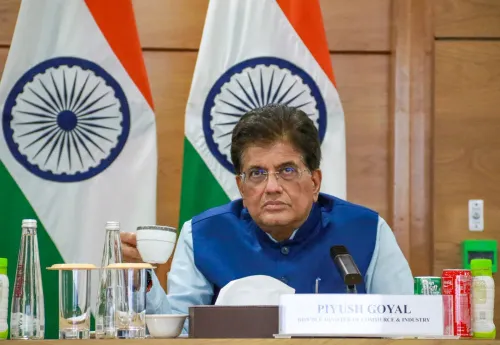
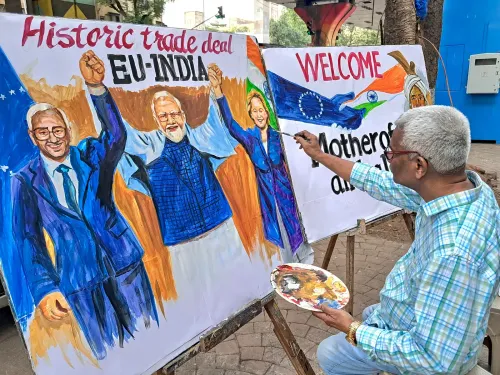
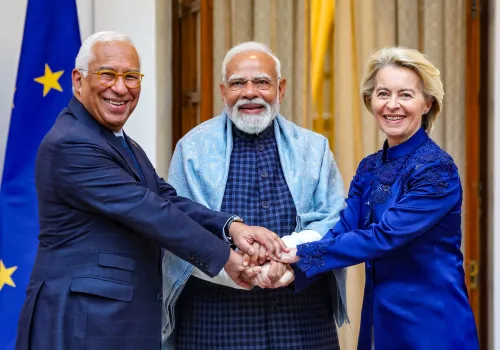
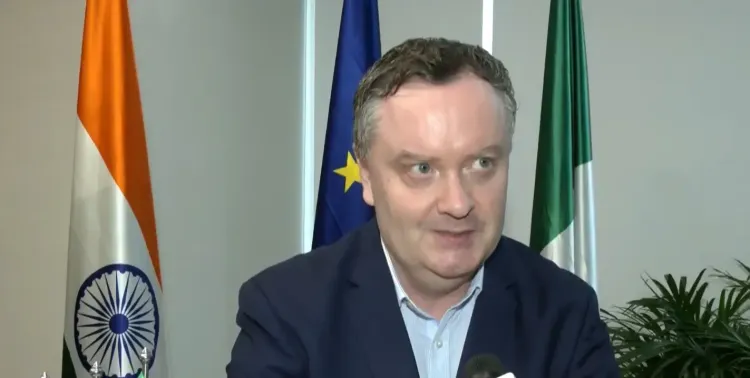
Patrick Duffy, Ireland's Consul General in Mumbai, said on 12 June that Ireland is 'really, really positive' about the European Union-India free trade agreement, describing it as a landmark deal that will significantly propel two-way trade between the two sides. Speaking in an exclusive interview, Duffy called the agreement 'the mother of all trade deals' — a phrase he noted has been used by both European Commission President Ursula von der Leyen and Indian Commerce Minister Piyush Goyal.
Scale of the Agreement
'Essentially, we have agreed and created a free trade zone of two billion people. That's an amazing achievement,' Duffy said. The EU-India trade relationship already rests on a strong foundation: goods and services worth over 180 billion euros are exchanged annually between the two sides. Notably, nearly 10 per cent of that figure — roughly 18 billion euros — flows specifically between India and Ireland, a figure Duffy described as 'something to be proud of'.
What Each Side Stands to Gain
Duffy outlined a broad range of benefits for both parties. India, he said, will gain access to a market of 450 million consumers in the European Union, with strong opportunities in sectors such as tech and innovation, textiles, gems and jewellery, and pharmaceuticals. EU companies, in turn, stand to benefit from reduced tariffs on exports into India — including cars, wine, olive oil, and, importantly for Ireland, spirits and whiskey.
Ireland's Strategic Priorities Under the FTA
For Ireland specifically, Duffy identified several high-value sectors where the FTA could unlock significantly more bilateral business. These include artificial intelligence, life sciences, pharma, medtech, fintech, cybersecurity, and software development. He also highlighted opportunities in film and cultural cooperation. 'Both economies are very large in the technology and innovation space, so we definitely would see scope to collaborate,' he said.
Duffy added that Ireland is particularly focused on cybersecurity given the current geopolitical climate. 'We are seeing this geopolitical situation — mostly for cyber security — is the main part we have to focus on right now in this digital technology era,' he observed.
Education and Research Ties
Beyond trade in goods and services, Duffy pointed to the strong academic relationship between the two countries. Ireland currently hosts the second-highest number of Indian students in the European Union. He said Ireland is keen to deepen this relationship further, including through partnerships with third-level institutions and state agencies in the research and innovation space.
What Comes Next
The EU-India FTA, years in the making, is widely regarded as one of the most consequential trade agreements either side has concluded. With implementation details still being worked through, businesses on both sides are watching closely for tariff schedules, sector-specific timelines, and regulatory alignment frameworks. The deal's success will ultimately be measured by whether the ambition of a two-billion-person free trade zone translates into verifiable gains in jobs, investment, and market access.
Point of View
But the real test of the EU-India FTA will be in the fine print — tariff schedules, rules of origin, and regulatory alignment — where previous EU trade negotiations have stalled for years. Ireland's enthusiasm is understandable: it punches well above its weight in India-EU trade, and sectors like AI, medtech, and whiskey stand to gain materially. But the gap between a signed agreement and realised trade gains has historically been wide. India's domestic industry, particularly in automobiles and wines, will face genuine competitive pressure, and how the Centre manages that adjustment will determine whether the deal's political optics survive contact with economic reality.
NationPress
26 Oct 2026
Frequently Asked Questions
What is the EU-India free trade agreement?
The EU-India free trade agreement is a landmark bilateral trade deal between the European Union and India that creates a combined free trade zone of approximately two billion people. It aims to reduce tariffs, expand market access, and boost two-way trade across goods and services sectors including tech, pharmaceuticals, automobiles, and agriculture.
Why is the EU-India FTA called the 'mother of all trade deals'?
European Commission President Ursula von der Leyen and Indian Commerce Minister Piyush Goyal have both used the phrase to underscore the deal's scale — covering two of the world's largest economic blocs with a combined population of two billion and annual bilateral trade already exceeding 180 billion euros.
How much trade currently happens between the EU and India?
Goods and services worth over 180 billion euros are traded annually between the EU and India. Ireland alone accounts for nearly 10 per cent of that figure, reflecting the country's outsized role in sectors like technology, pharmaceuticals, and financial services.
What does the FTA mean for Ireland specifically?
For Ireland, the FTA opens expanded opportunities in AI, life sciences, pharma, medtech, fintech, cybersecurity, software development, and cultural industries. It also reduces tariffs on Irish exports such as spirits and whiskey into the Indian market.
How does the EU-India FTA affect Indian students in Ireland?
Ireland already hosts the second-highest number of Indian students in the EU. The Consul General indicated that Ireland intends to build on this relationship through deeper partnerships in higher education, research, and innovation with Indian institutions and state agencies.