CBI court convicts ex-Bank of India manager in ₹30 lakh fraud case

Synopsis
A decade after the complaint was filed, a Bhopal CBI court has handed seven-year rigorous imprisonment to a former Bank of India branch manager and a private individual for siphoning ₹22 lakh of a ₹30 lakh sanctioned loan using forged RTGS documents — a reminder that insider-assisted bank fraud carries severe custodial consequences.
Key Takeaways
A special CBI court in Bhopal convicted Piyush Chaturvedi and Mohan Singh Solanki on 8 July .
Both were sentenced to seven years of rigorous imprisonment and fined a combined ₹60,000 .
Chaturvedi sanctioned a ₹30 lakh loan in the name of M/s Sunny Enterprises in November 2013 . ₹22 lakh was diverted the same day via forged RTGS forms to M/s Gold Fly Aish , linked to Solanki.
The CBI registered the case in January 2016 on a complaint from Bank of India's then Deputy Zonal Manager.
The verdict closes a case that had been pending for nearly a decade.
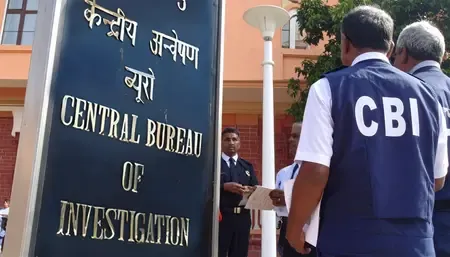
A special Central Bureau of Investigation (CBI) court in Bhopal on Wednesday, 8 July convicted and sentenced a former Bank of India branch manager and a private individual to seven years of rigorous imprisonment in a bank fraud case involving the fraudulent sanction of a ₹30 lakh loan. The court also imposed a combined fine of ₹60,000 on the two convicts, the CBI confirmed in an official statement.
Who Was Convicted
The two convicts are Piyush Chaturvedi, the then Senior Branch Manager of Bank of India's Misrod branch in Bhopal, and Mohan Singh Solanki, a private individual. The case against them was registered in January 2016 following a complaint by the then Deputy Zonal Manager of Bank of India in Bhopal.
How the Fraud Was Carried Out
According to the CBI, Chaturvedi sanctioned a term loan and cash credit limit of ₹30 lakh in the name of M/s Sunny Enterprises in November 2013. On the same day, ₹22 lakh was transferred via an RTGS transaction from the firm's account, based on forged and fabricated RTGS forms and vouchers, to the account of M/s Gold Fly Aish — a firm linked to Solanki.
'On the same day, ₹22 lakh was transferred through an RTGS transaction from the firm's account on the basis of forged and fabricated RTGS forms and vouchers to the account of M/s Gold Fly Aish of accused Mohan Singh Solanki,' the CBI said in its statement.
Investigation and Chargesheet
The CBI's investigation established that the funds were allegedly misappropriated by the two accused as part of a criminal conspiracy, causing a direct financial loss to the bank. After completing the probe, the agency filed a chargesheet against both Chaturvedi and Solanki before the special court. The trial concluded with the court convicting and sentencing both accused.
Significance of the Verdict
The judgment closes a case that had been pending for nearly a decade since the original complaint was filed. It is part of a broader pattern of CBI prosecutions targeting insider-assisted bank fraud, where branch-level officials exploit their sanctioning authority to divert funds using forged documentation. Notably, the use of fabricated RTGS instruments in this case reflects a method seen in several similar banking fraud cases across India during the same period. The verdict underscores that such cases, even when they involve relatively smaller loan amounts, can result in maximum-category custodial sentences when criminal conspiracy is established.
What Happens Next
The convicts retain the right to appeal the verdict in a higher court. The CBI has not indicated whether any further accused are under investigation in connection with this case. The bank's financial loss from the ₹30 lakh fraud will be subject to recovery proceedings separately.
Point of View
When evidence of criminal conspiracy is airtight, secure maximum-category sentences even in smaller cases. The decade-long gap between the 2013 fraud and the 2025 conviction, however, is a structural problem. Delayed justice in banking fraud cases weakens deterrence precisely when insider-assisted fraud is on the rise. The real question is whether the conviction translates into actual recovery of the diverted funds for Bank of India — something Indian courts have historically struggled to enforce.
NationPress
7 Oct 2026
Frequently Asked Questions
Who was convicted in the Bhopal CBI bank fraud case?
The two convicts are Piyush Chaturvedi, the former Senior Branch Manager of Bank of India's Misrod branch in Bhopal, and Mohan Singh Solanki, a private individual. Both were sentenced to seven years of rigorous imprisonment and fined a total of ₹60,000.
What was the nature of the fraud in the Bank of India Bhopal case?
Chaturvedi sanctioned a ₹30 lakh term loan and cash credit limit in the name of M/s Sunny Enterprises in November 2013. On the same day, ₹22 lakh was transferred via forged RTGS forms to M/s Gold Fly Aish, a firm linked to co-accused Mohan Singh Solanki, causing a direct financial loss to the bank.
When did the CBI register the case?
The CBI registered the case in January 2016 following a complaint by the then Deputy Zonal Manager of Bank of India in Bhopal. The fraud itself occurred in November 2013, making it a nearly decade-old case by the time of conviction.
What sentence did the CBI court impose?
The special CBI court in Bhopal sentenced both convicts to seven years of rigorous imprisonment and imposed a combined fine of ₹60,000 on the two accused.
Can the convicts appeal the CBI court verdict?
Yes, the convicts retain the right to challenge the verdict in a higher court. No details have been disclosed about whether they intend to appeal.