How are ex-Maoists starting anew with hockey sticks at the Bastar Olympics?
Synopsis
The Bastar Olympics, a transformative event showcasing athletes from a region once plagued by Maoism, concludes. With participation from 3,500 athletes, including former Maoists embracing new lives, the event symbolizes hope and societal reintegration. Union Home Minister Amit Shah's presence highlights the significance of this moment in Bastar's journey towards peace and progress.
Key Takeaways
Bastar Olympics promotes inclusivity and social change.
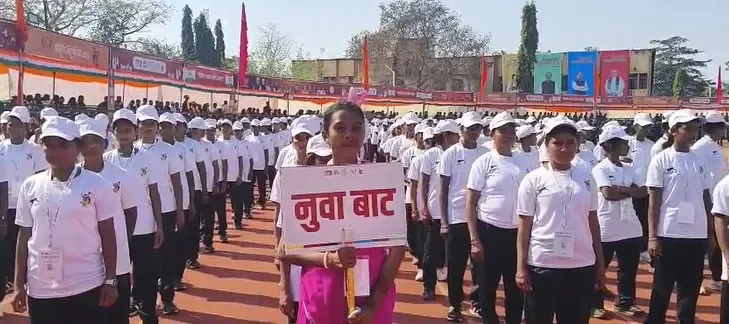
Participation includes former Maoists and individuals with disabilities. 'Nua Baat' symbolizes a new beginning for ex-Maoists.
Government rewards athletes to encourage participation.
Event signifies a shift from conflict to peace in Bastar .
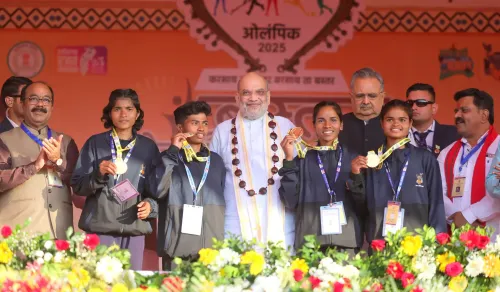
Bastar, Dec 13 (NationPress) The three-day Bastar Olympics are poised to wrap up on Saturday, showcasing remarkable involvement from athletes across the seven districts of the area, which was once dominated by Maoist activities.
Approximately 3,500 athletes from the districts of Bijapur, Dantewada, Kanker, Kondagaon, Narayanpur, Sukma, and Jagdalpur, along with participants from the 'Nua Baat' category, have engaged in this divisional-level event.
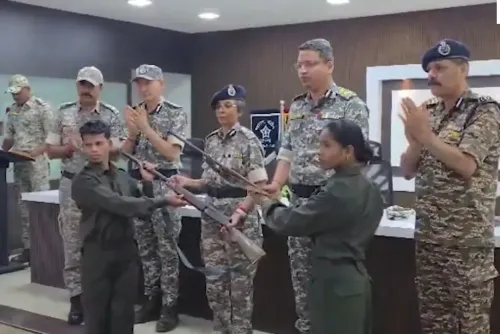
The 'Nua Baat' category refers to former Maoists who have renounced violence and embraced a new way of life. In the local dialect of Bastar, 'Nua Baat' signifies a new journey, symbolizing a fresh start for those who have chosen peace.
As part of this initiative, the Chhattisgarh government offers a total of Rs 3 crore, Rs 2 crore, and Rs 1 crore to athletes who secure gold, silver, and bronze medals, respectively.
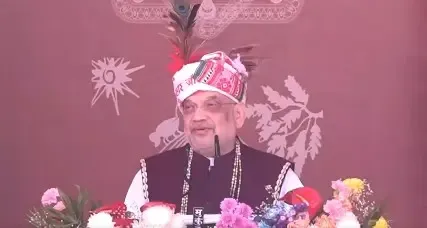
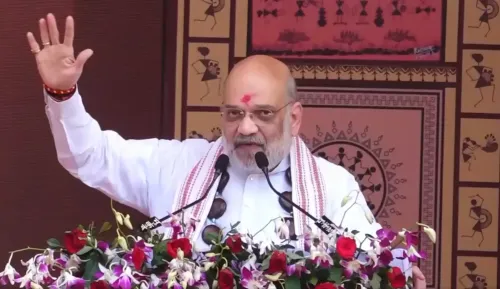
Union Home Minister Amit Shah is expected to arrive in Jagdalpur later today to participate in the closing ceremony of the Bastar Olympics. During his visit, he will likely evaluate the current security situation and review the ongoing anti-Maoist efforts in the region.
Many participants, predominantly former Maoists, have expressed their joy in reintegrating into society and participating in this event.
They shared how the Olympics have made them feel included and accepted within the larger community.
Suklal, a former Maoist who played volleyball, described the chance to partake in such a sporting event as a deeply moving experience.
"The government is offering all necessary support for our reintegration into society. After spending 20 years in the Maoist organization, I used to wield a gun and roam the forests. Now, I hold a hockey stick and a badminton racket. The happiness on the faces of all the former Naxalites taking part in this event is unmistakable. This is our first experience, and we are overjoyed," Suklal remarked to IANS.
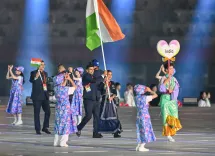
Ganga Vatti, who surrendered in July 2020 and participated in the parade competition, also shared his thoughts.
"This is my first experience of such an event, and I'm thrilled to be here. HM Shah's visit adds to the significance. I'm here with my wife, who was also a Maoist and surrendered alongside me. She is participating in tug-of-war," he said.
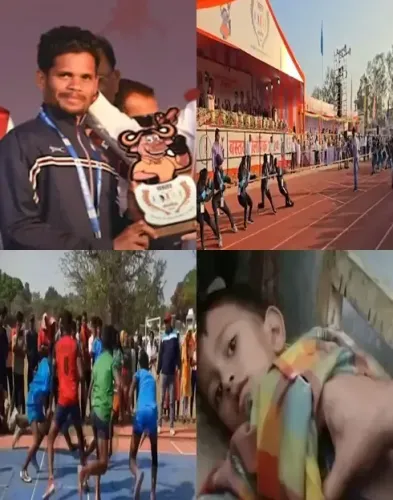
In addition to former Maoists, participants with disabilities affected by Maoist violence also competed, transforming the event into a celebration of unity and social change.
This participation underscored themes of harmony, social inclusion, and transformative progress in Bastar.
Kishan, who suffered injuries from a Maoist attack in Bijapur, expressed hope that Bastar would soon be free from Maoism.
"Today, with HM Shah's visit, we are optimistic that the government’s firm actions will lead to a Maoist-free Bastar," he shared with IANS.
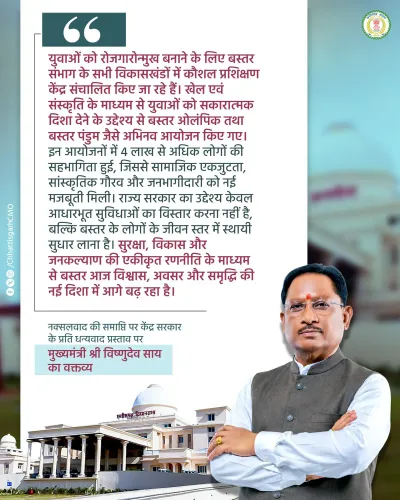
Meanwhile, Chief Minister Vishnu Deo Sai described Amit Shah's attendance at the closing ceremony as historic and emblematic of the transformation in Bastar.
He noted that Bastar, once synonymous with conflict and struggle, has now emerged as a beacon of enthusiasm, assurance, and cultural pride through the Bastar Olympics.
The Bastar Olympics is an annual initiative organized by the Chhattisgarh Sports and Youth Welfare Department, aiming to provide an inclusive platform for young individuals, including victims of Maoist violence, to showcase their athletic abilities and contribute to constructive social change.
Point of View
It's crucial to highlight the significance of events like the Bastar Olympics. They represent a shift toward peace and societal reintegration in a region historically associated with violence. The participation of former Maoists not only signifies their commitment to change but also reflects the government's efforts in fostering an inclusive society. These initiatives are vital for healing and rebuilding communities.
NationPress
19 Sept 2026
Frequently Asked Questions
What are the Bastar Olympics?
The Bastar Olympics is an annual sporting event organized to promote inclusivity and showcase the talents of athletes from Bastar, including those affected by Maoist violence.
Who participates in the Bastar Olympics?
Participants include athletes from seven districts of Bastar, as well as former Maoists who have surrendered and individuals with disabilities impacted by violence.
What is the significance of the 'Nua Baat' category?
'Nua Baat' translates to 'new path' in the local dialect, representing former Maoists who have renounced violence and embraced a peaceful life.
What rewards do athletes receive?
The Chhattisgarh government awards Rs 3 crore, Rs 2 crore, and Rs 1 crore to gold, silver, and bronze medalists, respectively.
What is the impact of the Bastar Olympics?
The event highlights themes of social inclusion, harmony, and transformative change, offering a platform for healing and community building.