Exam fraud bill 2026 passes Lok Sabha: Lokesh, Pawan Kalyan hail landmark law
Synopsis
The Lok Sabha's passage of the Public Examinations (Prevention of Unfair Means) Amendment Bill, 2026 closes a legislative gap exposed by the NEET paper leak scandal. With a Nandan Nilekani-led task force also in the works to overhaul the NTA, the government is betting that tougher law plus structural reform can restore trust in India's battered examination system.
Key Takeaways
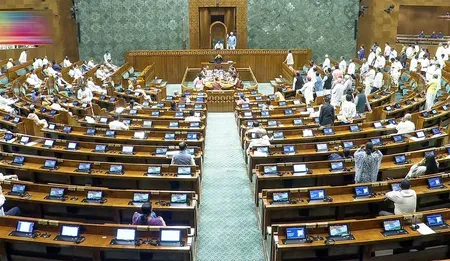
The Public Examinations (Prevention of Unfair Means) Amendment Bill, 2026 was passed by the Lok Sabha on 30 July 2026 .
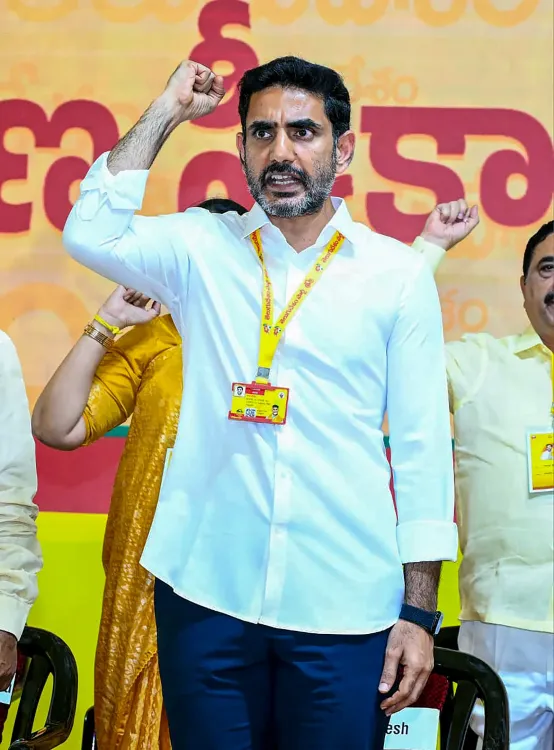
Nara Lokesh , TDP Working President and Andhra Pradesh Education Minister, posted his congratulations on X , warning that paper leak offenders will face the 'strictest consequences.' Deputy Chief Minister Pawan Kalyan called it a 'landmark legislation' and cited the government's reconduct of the NEET examination as proof of decisive crisis management.
A high-powered task force under Nandan Nilekani has been constituted to recommend comprehensive reforms for the National Testing Agency (NTA) .
Both leaders credited Prime Minister Narendra Modi 's government with protecting students' academic year following the NEET paper leak.
The Public Examinations (Prevention of Unfair Means) Amendment Bill, 2026 was passed by the Lok Sabha on Thursday, 30 July, drawing immediate praise from Andhra Pradesh leaders who said the legislation delivers an unambiguous warning to those who exploit paper leaks and exam fraud to undermine students' futures. The bill strengthens legal provisions governing the integrity of public examinations across India.
Lokesh Welcomes the Bill
Nara Lokesh, Telugu Desam Party (TDP) Working President and Andhra Pradesh Minister for Education, posted his congratulations on X, addressing students directly. 'This law sends a clear message: Those who try to steal the future of our students through paper leaks and exam fraud will face the strictest consequences,' he wrote. Lokesh also noted that alongside punitive measures, the Union Government has initiated structural reforms to reinforce the credibility of the country's examination system.
Lokesh, son of TDP national president and Andhra Pradesh Chief Minister N. Chandrababu Naidu, pointed to the government's response to the NEET paper leak as a precedent. He said Prime Minister Narendra Modi's administration acted decisively — ensuring accountability, reconducting the examination on time, and protecting an entire academic year for lakhs of students. 'The future of our youth is above politics. Merit, integrity, and equal opportunity must always prevail,' he added.
Pawan Kalyan Calls It a Landmark Step
Andhra Pradesh Deputy Chief Minister and Jana Sena president Pawan Kalyan also congratulated students, describing the legislation as 'a significant step towards protecting the dreams and aspirations of millions of students and restoring public confidence in the integrity of our examination system.'
Kalyan highlighted a structural reform component: the government has constituted a high-powered task force under Nandan Nilekani, comprising eminent experts, to recommend comprehensive overhauls for the National Testing Agency (NTA) and the broader examination framework. He said this signals a commitment to systemic change beyond punitive action alone.
NEET Leak as the Turning Point
Both leaders referenced the NEET examination paper leak as the inflection point that accelerated legislative action. According to Kalyan, the government cancelled the compromised examination, initiated swift action against those responsible, and ensured the reconduct of the test without causing students to lose an academic year. 'This shows how a responsible government responds at times of crisis,' he said, drawing an implicit contrast with what he characterised as attempts to 'exploit genuine public concerns to create chaos, unrest, or political confrontation.'
What the Law Signals
The passage of the amendment bill represents the Centre's formal legislative response to widespread public outrage over exam irregularities that surfaced in 2024 and continued into 2025. Critics had argued that existing provisions were insufficient to deter organised paper leak networks. The new law reportedly sharpens penalties and broadens the definition of unfair means in public examinations.
With the Nilekani-led task force still formulating its recommendations for NTA reform, the legislative step is likely the first of several institutional changes ahead. How effectively the law is enforced — and whether the NTA overhaul follows through — will determine whether this marks a genuine turning point in India's examination integrity crisis.
Point of View
But the harder test lies ahead. Punitive legislation alone has rarely dismantled the entrenched networks behind paper leaks — enforcement capacity and NTA's institutional culture matter far more than penalty clauses on paper. The Nilekani task force is the more consequential initiative, and its terms of reference and timeline deserve as much scrutiny as the bill itself. Notably, neither Lokesh nor Kalyan addressed the structural underfunding and staffing gaps at the NTA that critics argue created the vulnerability in the first place.
NationPress
13 Sept 2026
Frequently Asked Questions
What is the Public Examinations (Prevention of Unfair Means) Amendment Bill, 2026?
It is a central legislation passed by the Lok Sabha on 30 July 2026 that strengthens legal provisions against paper leaks, exam fraud, and other unfair practices in public examinations. The bill sharpens penalties and broadens the definition of unfair means, responding to widespread outrage over examination irregularities including the NEET paper leak.
Why was this bill introduced?
The bill was introduced in the wake of the NEET examination paper leak scandal, which triggered public outrage and calls for stronger legal deterrents against organised exam fraud networks. The government also cancelled the compromised NEET examination and reconducted it to protect students' academic year.
Who is Nandan Nilekani and what is his role here?
Nandan Nilekani is a technology entrepreneur and co-founder of Infosys, known for architecting India's Aadhaar system. The Union Government has constituted a high-powered task force under his leadership, comprising eminent experts, to recommend comprehensive reforms for the National Testing Agency (NTA) and India's broader examination framework.
What did Andhra Pradesh leaders say about the bill?
TDP Working President and Education Minister Nara Lokesh posted on X that the law 'sends a clear message' to those who commit paper leaks and exam fraud, warning of the 'strictest consequences.' Deputy Chief Minister Pawan Kalyan called it a 'landmark legislation' that protects students' dreams and restores public confidence in the examination system.
What happens next after the bill's passage?
The Nandan Nilekani-led task force is expected to submit recommendations for overhauling the National Testing Agency (NTA). The effectiveness of the new law will depend on enforcement capacity and whether the structural reforms that follow address the institutional gaps that enabled past examination irregularities.